

My Asian Era
A curated journey through Asian literature
Thoughtful Reviews. Quiet Stories. Literary Depth.
For the past two years, I’ve been reading, reviewing, and steadily building a curated archive of books by Asian authors, mostly translated fiction, contemporary literature, and underrepresented voices that often get missed by mainstream reading lists.
What started as a personal reading habit has evolved into a full platform: a growing collection of spoiler-free reviews, thematic roundups, and quiet reflections meant to help more readers discover the emotional and cultural depth of Asian literature.
You’ll find:
Honest reviews from across Asia: Korean, Japanese, Southeast Asian, South Asian, Chinese, and Asian authors writing from around the world
Mini features for short books and chapbooks
Book club picks with community conversation prompts
Emotional clarity over academic critique
A calm space to discover books that you may have missed otherwise
This is a living archive, part ongoing project, part reflective journal.
I’m in the process of centralizing older reviews and continuing to explore both contemporary releases and classic titles from across the region.
If you're tired of the same dozen titles getting recycled across book feeds, you're in the right place.
Welcome.
P.S. If you're looking to read along, I host a quiet book club through Fable. It's casual, thoughtful, and open to anyone curious about Asian literature.
Search Titles, Authors, Keywords, Themes
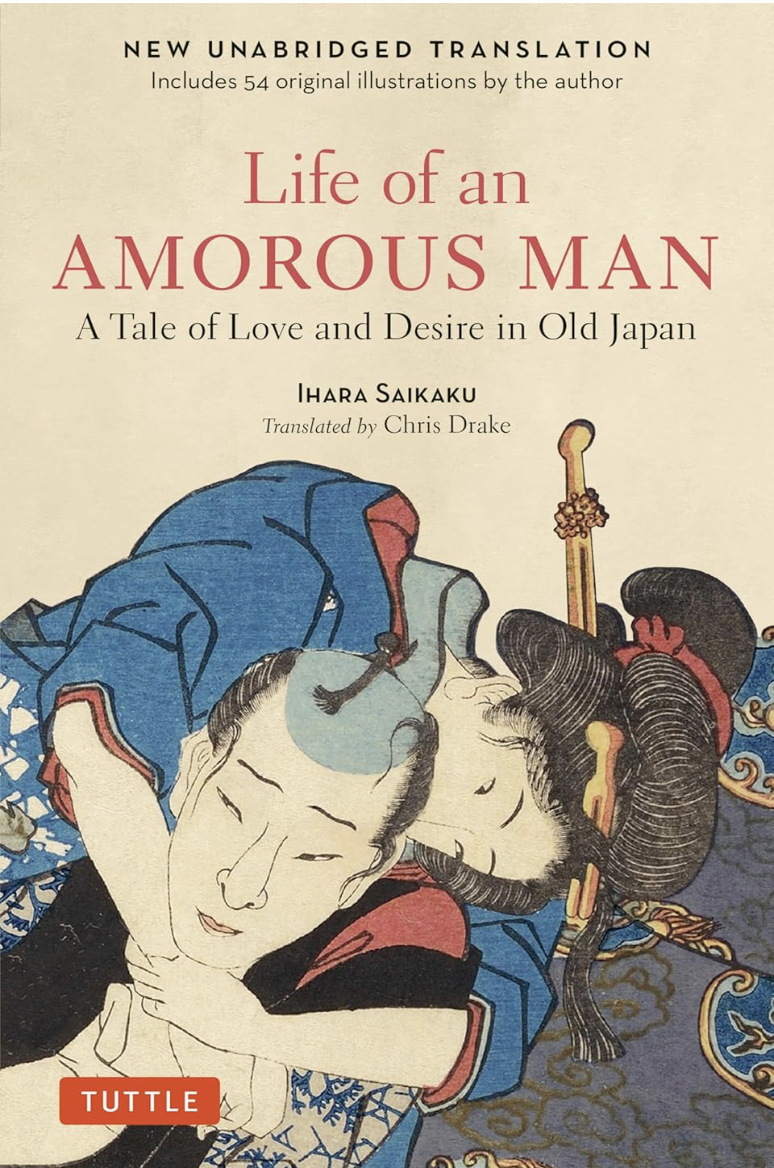
Life of an Amorous Man
A rare and vivid window into Edo-period Japan — this is not a love story, it's a life lived through appetite, and it will teach you more about desire, class, and survival than you'd expect.

This Is Amiko, Do You Copy?
A short Japanese novella told entirely through the voice of a young girl who doesn’t fully understand the world around her. Quietly sad, deeply sincere, and emotionally affecting without trying to explain itself.
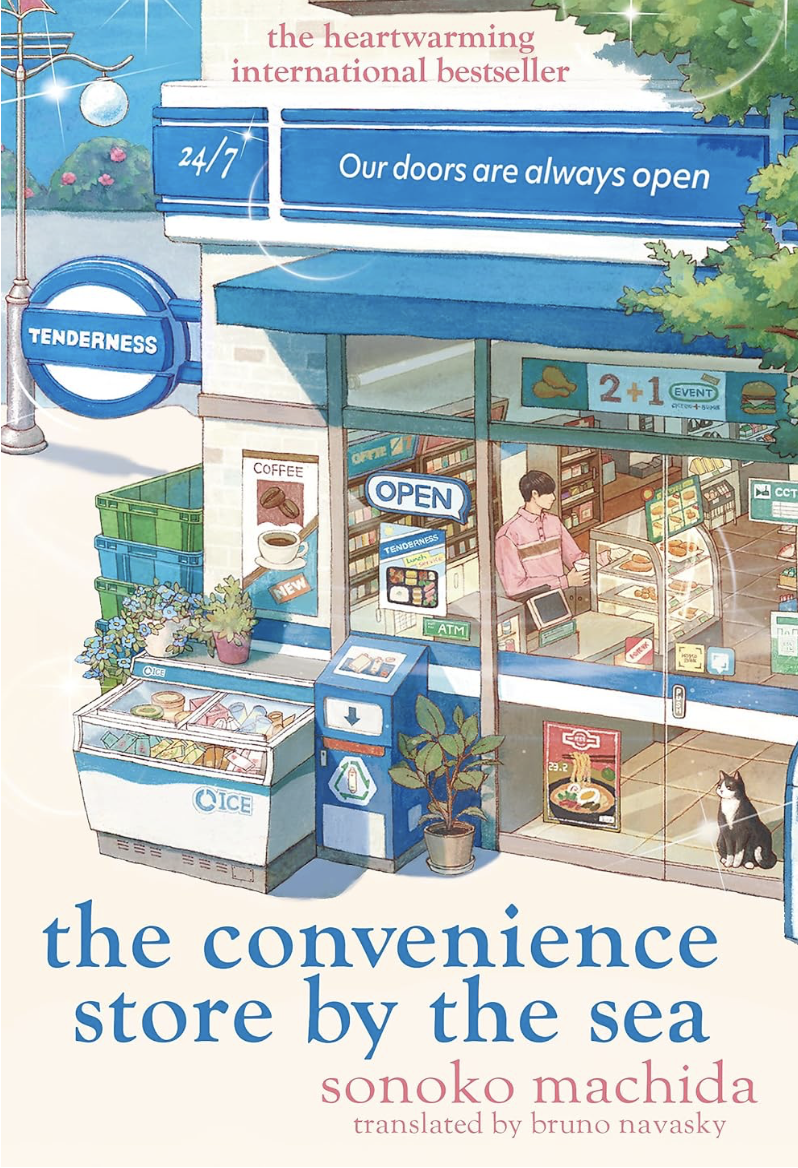
The Convenience Store by the Sea
A quiet, caring novel set in a seaside Japanese convenience store, where small routines and everyday kindness slowly add up. This was a genuinely restorative read for me, grounded, human, and deeply comforting without relying on magical realism.
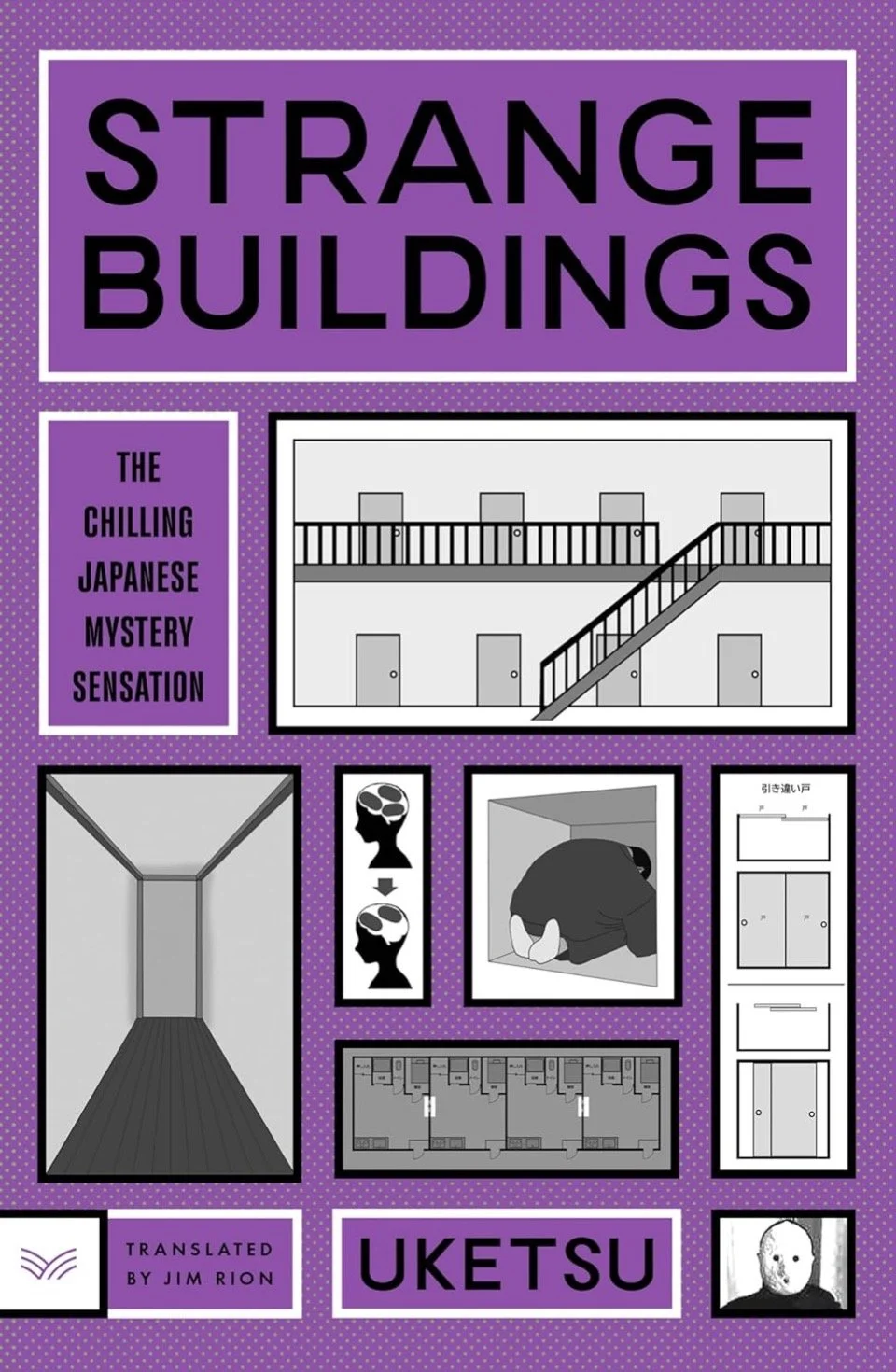
Strange Buildings
Strange Buildings knocked the wind out of me. What starts as a clever, puzzle-based horror quickly turns darker and more disturbing than I expected. This is a book that doesn’t stop when you think it’s finished with you.
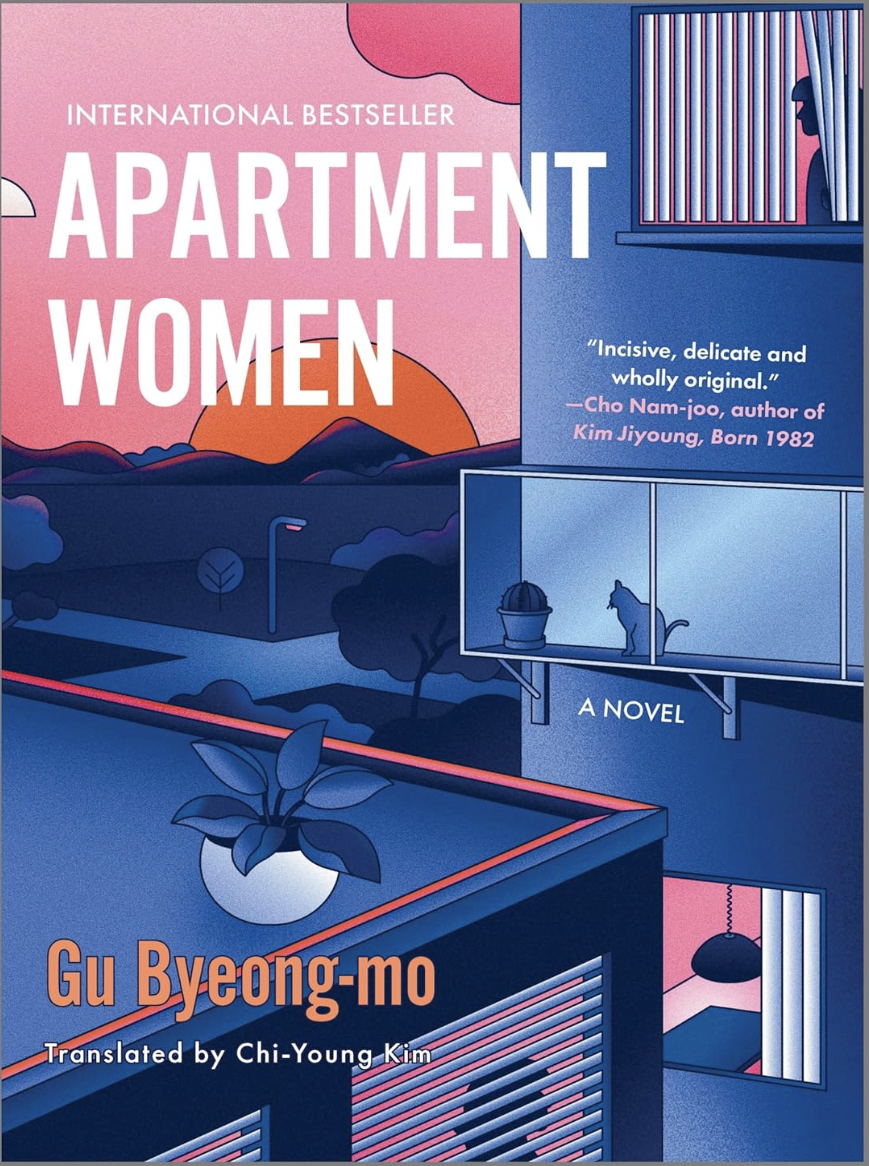
Apartment Women
A government-run apartment complex outside Seoul promises support, community, and a “village.” But in Apartment Women, that village starts to feel like pressure. My review of Gu Byeong-mo’s sharp social novel about motherhood, housing, and control.
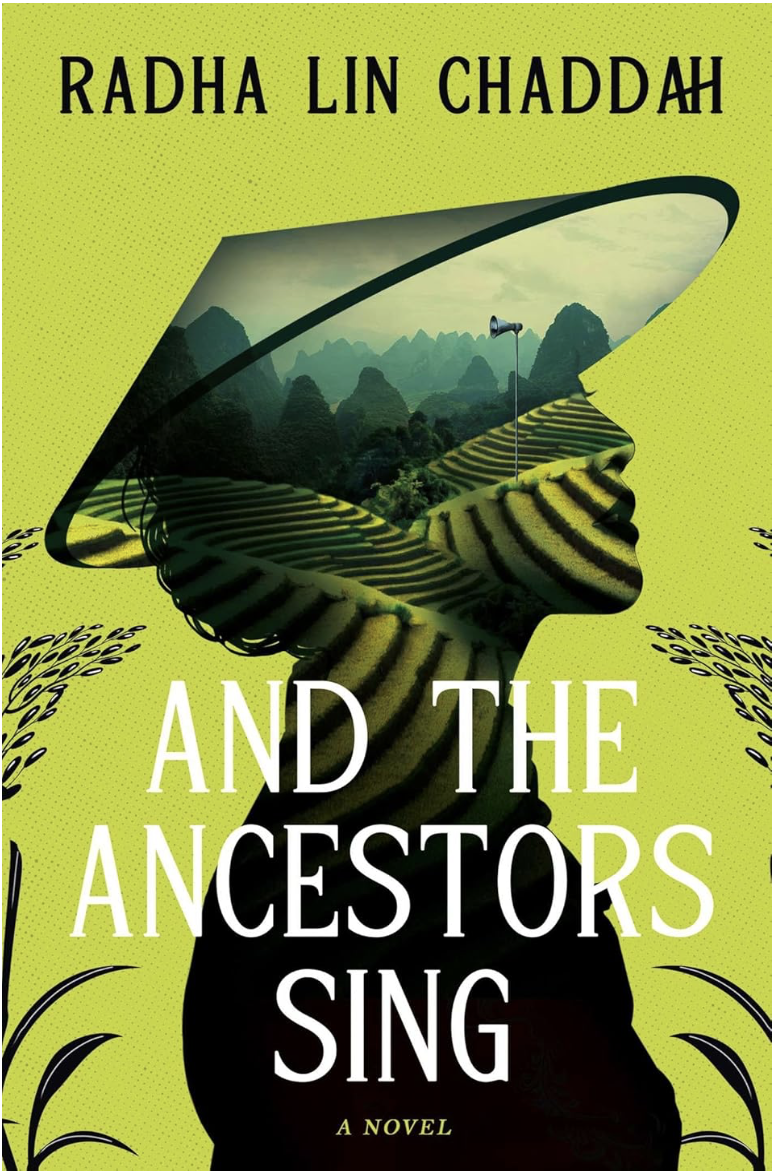
And The Ancestors Sing
A steady, resilient multigenerational novel set in post–Cultural Revolution China, where women and families endure poverty, migration, and loss. Lei’s story especially pulled me in, and the ending felt like exactly where this book needed to go.
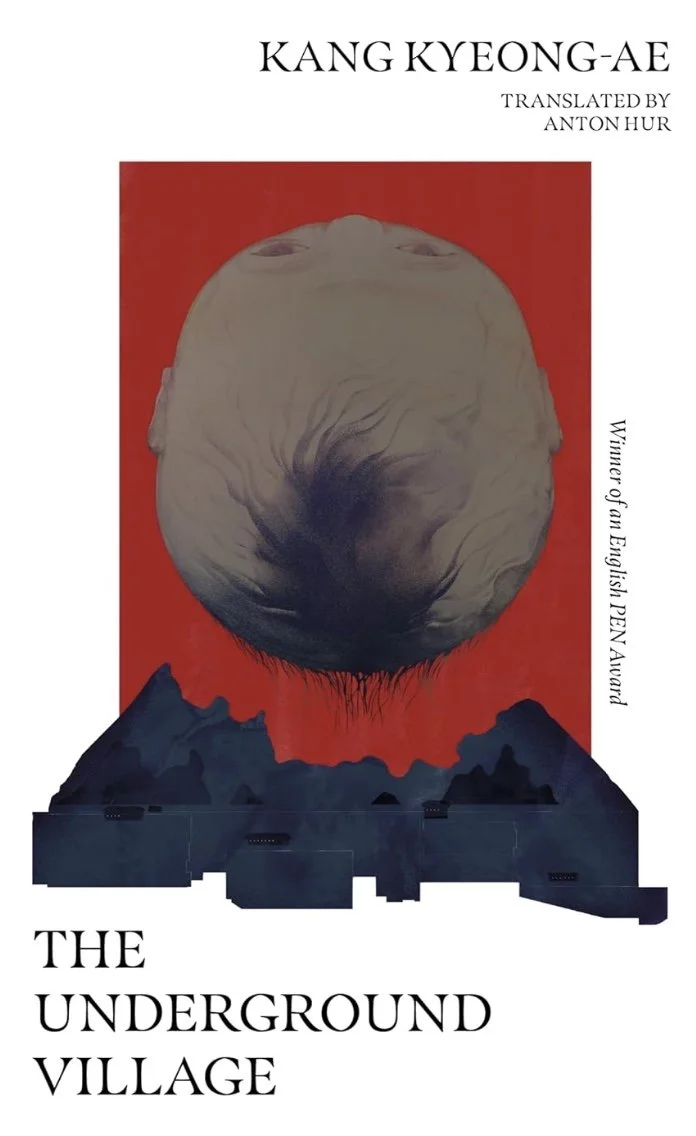
The Underground Village
A bleak, heartbreaking collection of Korean historical fiction about poverty, survival, and the brutal divide between those with money and those without. These stories don’t soften anything, especially the final one, “The Underground Village,” which is hard to forget.
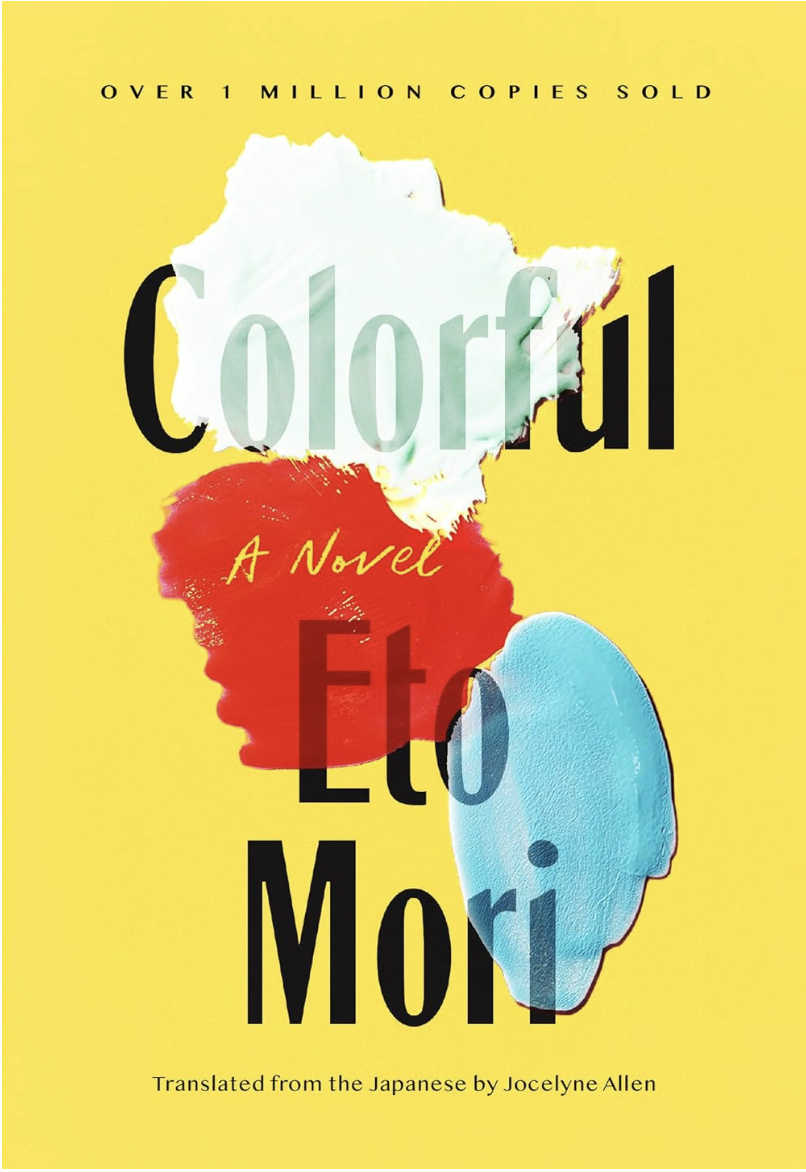
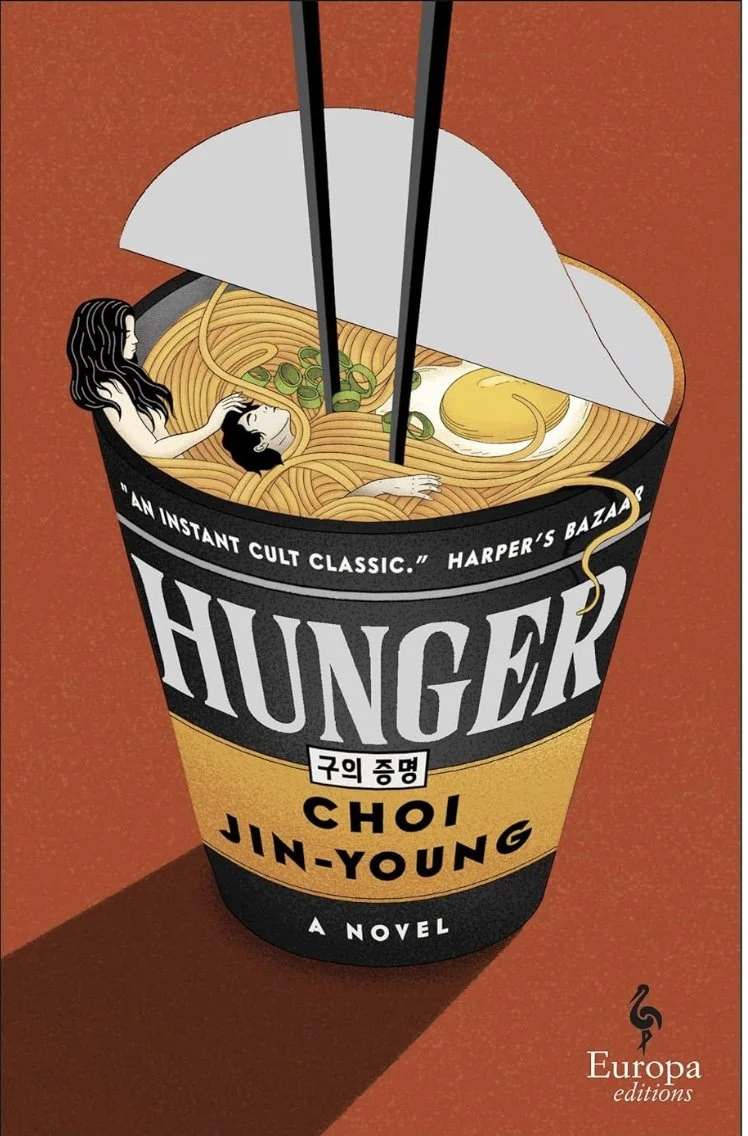
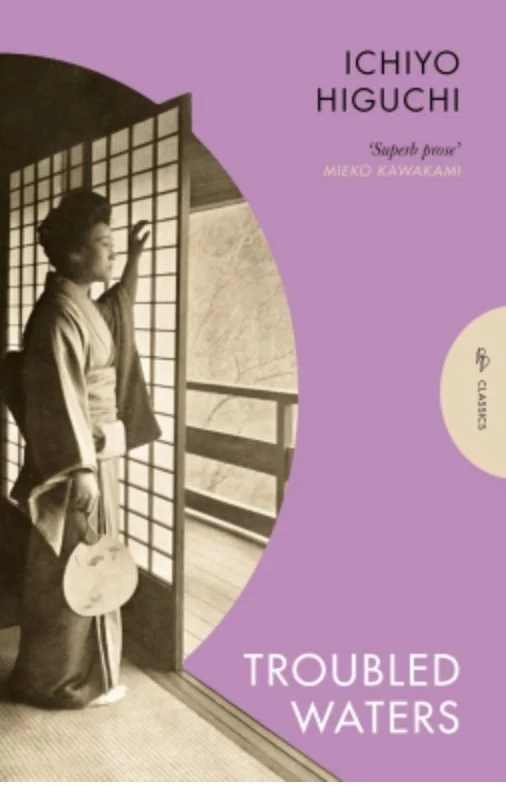
Troubled Waters
My first time reading Ichiyo Higuchi, and I didn’t expect to love it this much. Five Meiji-era stories set in working-class Tokyo, full of sharp observation and women who feel real on the page. “Troubled Waters” and “Growing Pains” were standouts, and the new translation reads beautifully.
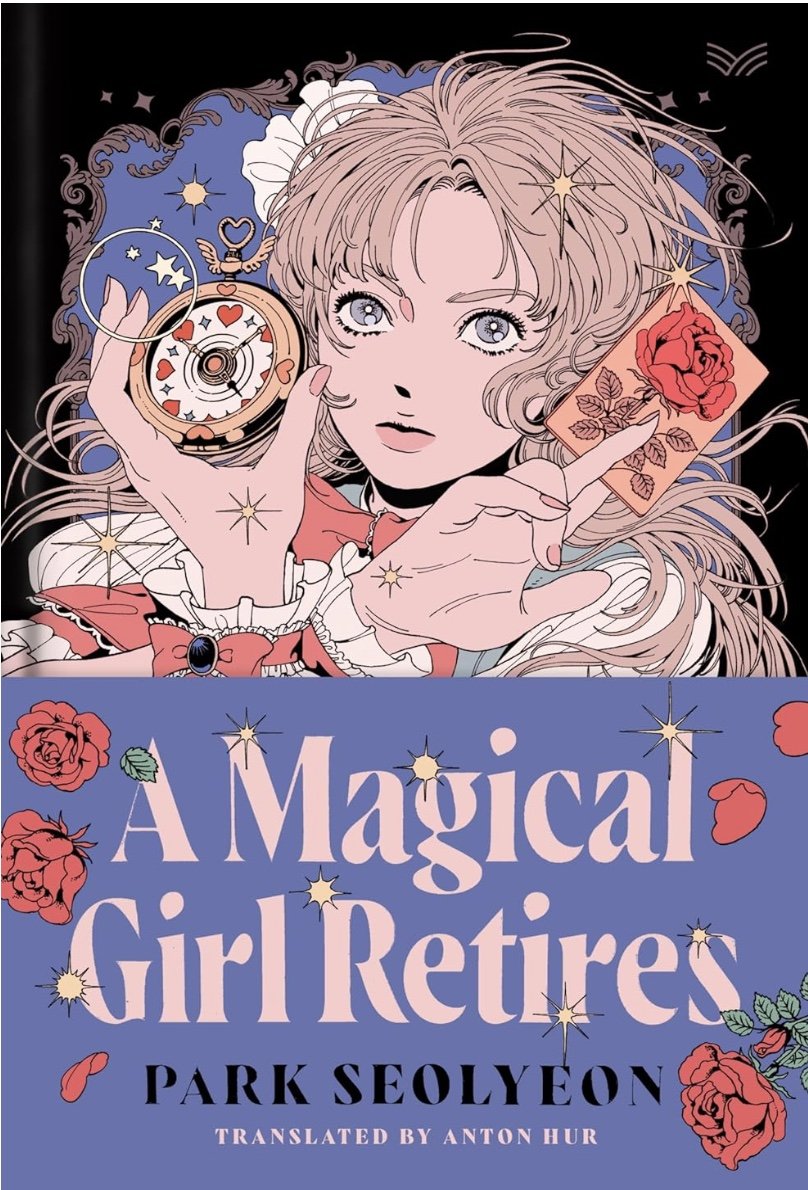
A Magical Girl Retires
A Magical Girl Retires looks light at first, but it doesn’t take long to see how much it’s holding. What begins as a playful premise quietly takes on debt, burnout, climate anxiety, and the cost of trying to do good in a world that feels close to breaking.
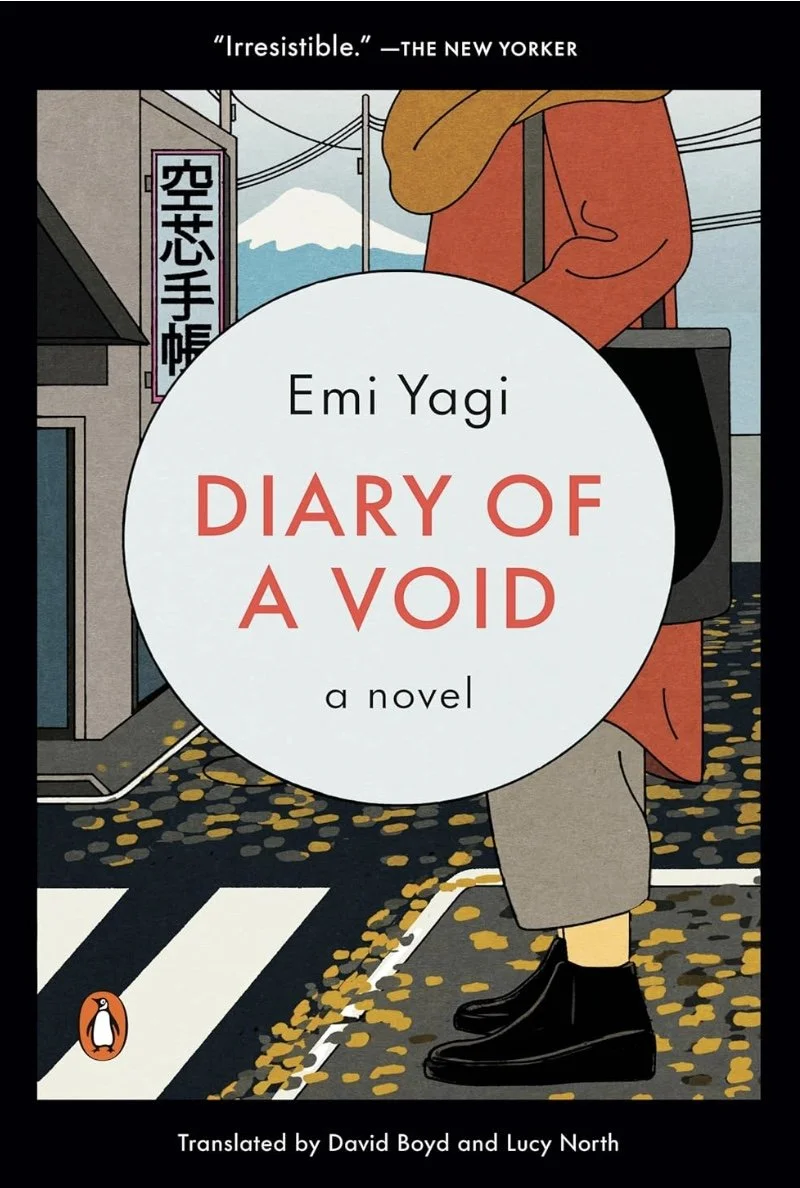
Diary of a Void
A woman claims she’s pregnant to stop being taken advantage of at work. The lie works immediately, and that’s where the book gets interesting. Diary of a Void is funny in a quiet way, sharp without shouting, and honest about how conditional basic respect can be.
Messenger Cat Café
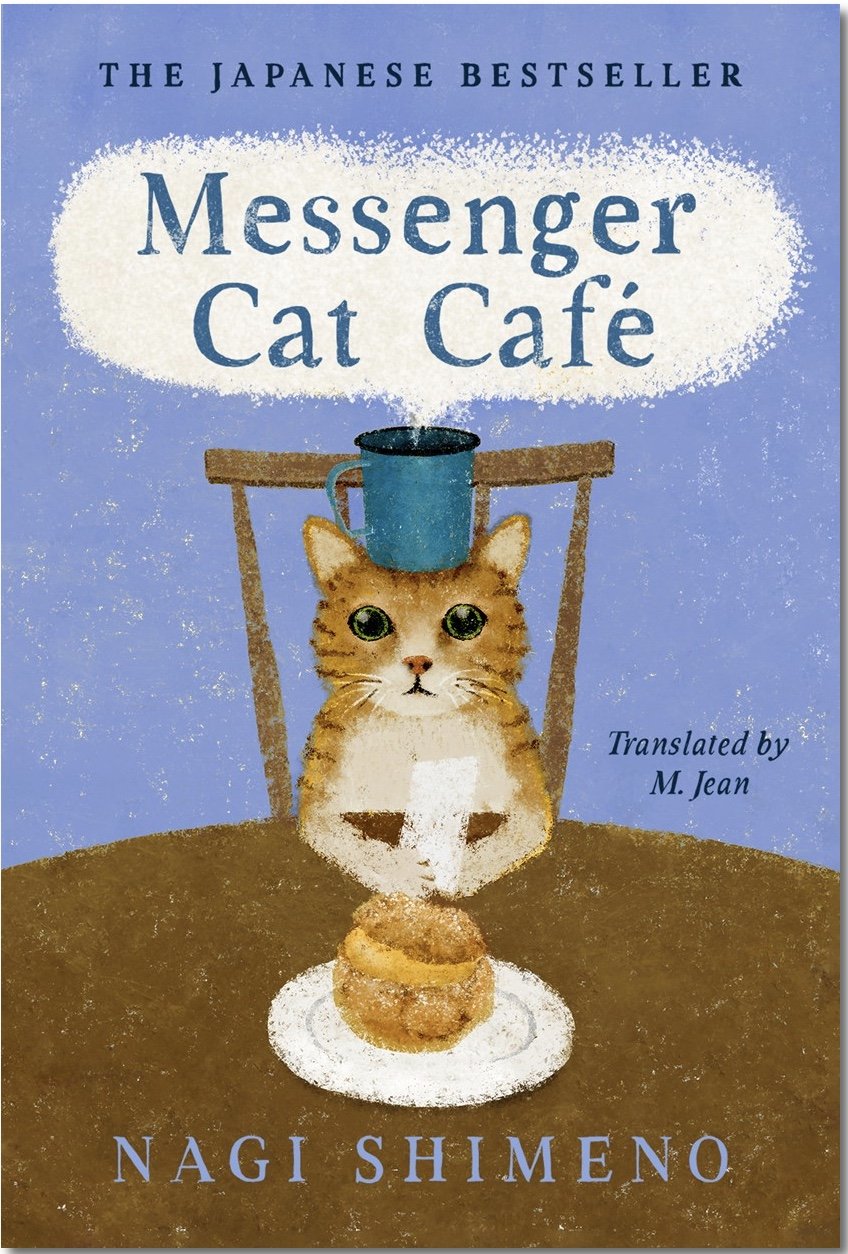
A gentle Japanese healing novel set in an in-between café, where a messenger cat delivers “souls” between the living and the dead. Familiar in structure, but sincere, with one chapter that hit me more personally than I expected.
At Dusk
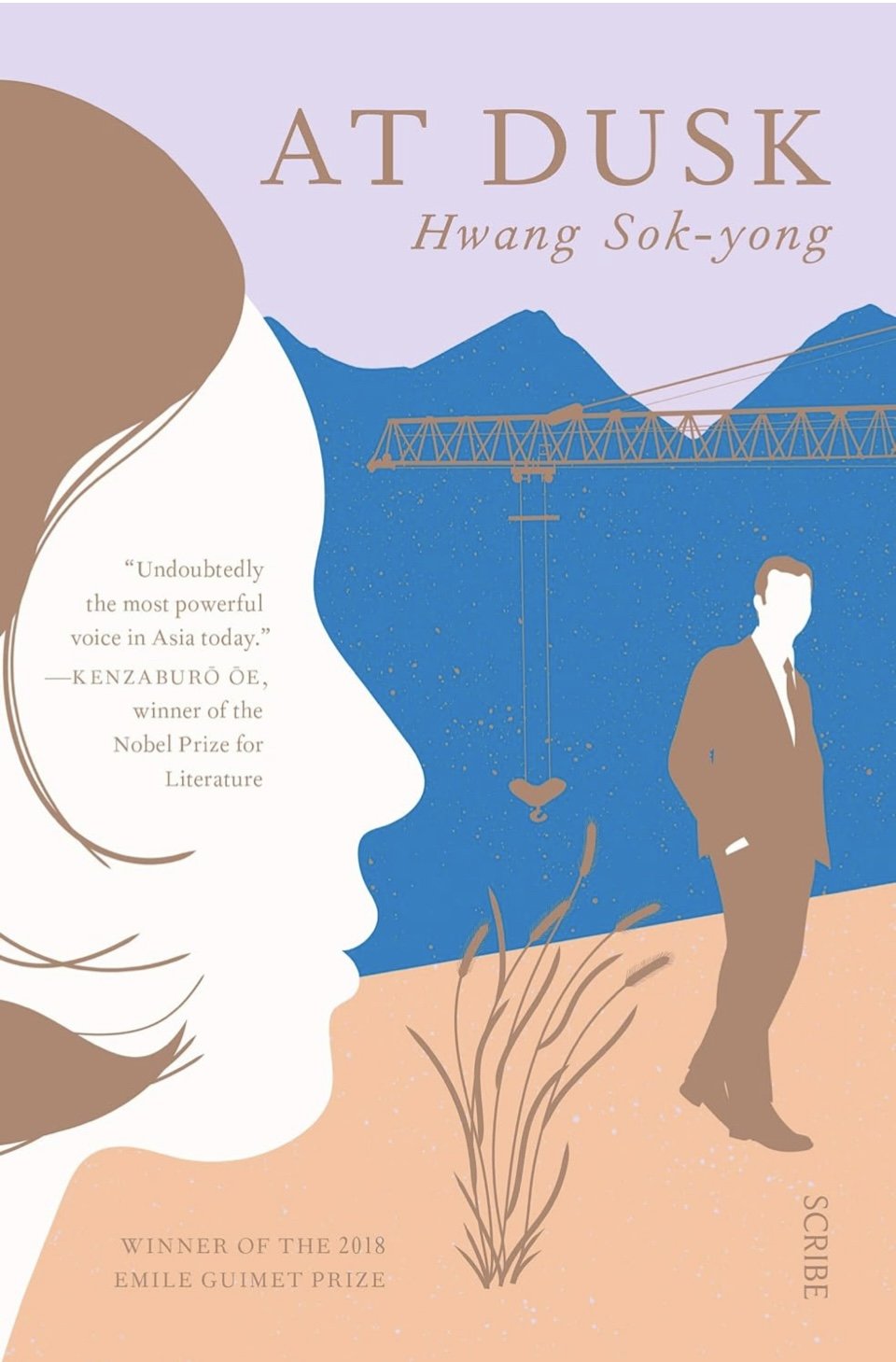
At Dusk follows one man’s life while moving quietly through modern Korean history. As Park Minwoo reflects on his past, the novel traces postwar development, political change, and economic growth without ever turning them into spectacle.
This is a layered, carefully constructed book that trusts the reader. History remains in the background, shaping the characters without overt explanation. It’s a novel that asks for patience and rewards close attention.
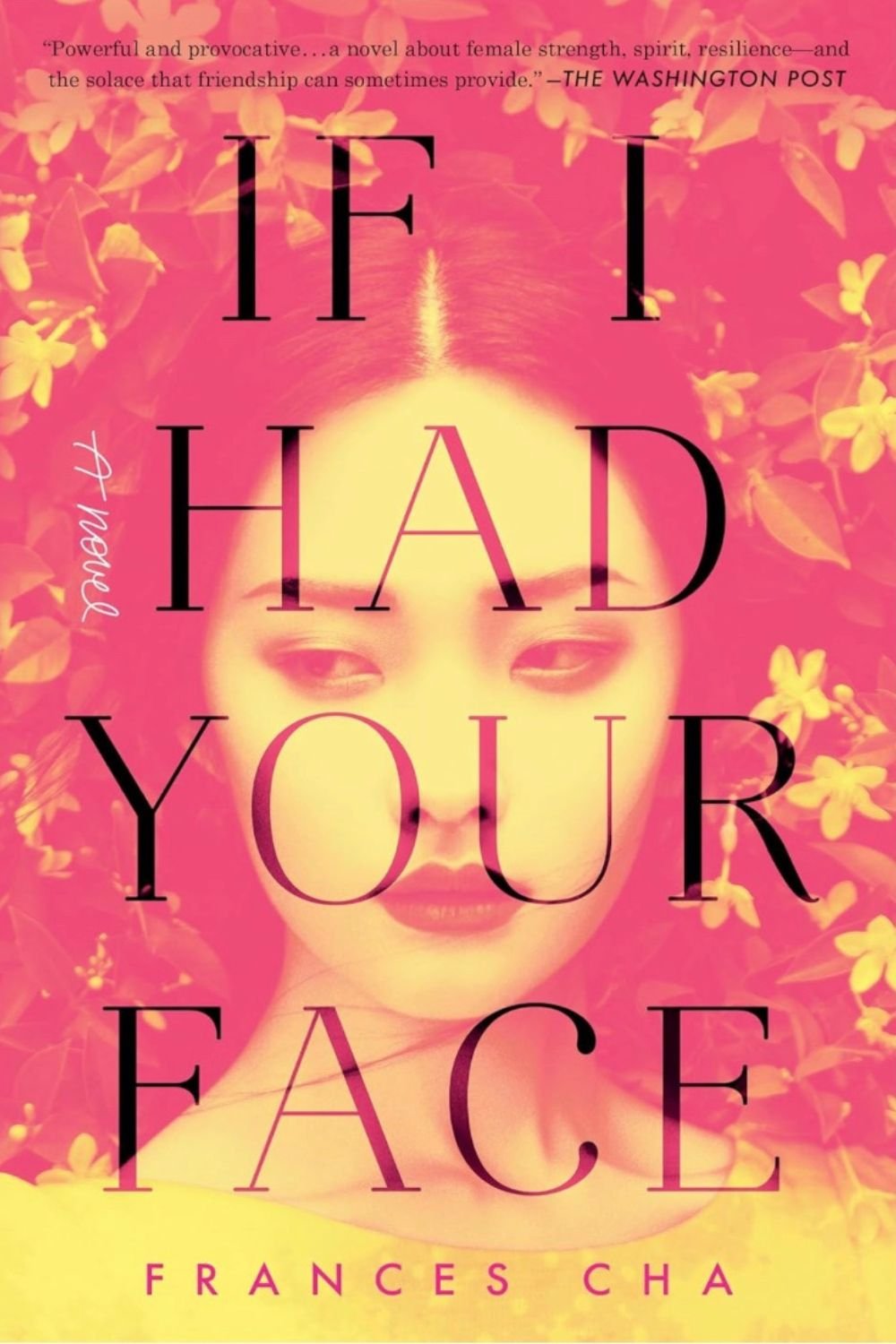
If I Had Your Face
If I Had Your Face follows four young women living in Seoul, each navigating life under the weight of Korea’s beauty standards, economic pressure, and limited choices. Their paths are different, but they intersect through shared spaces and shared constraints.
This is not a light read. The book looks closely at how beauty functions as a kind of currency and how survival sometimes requires choices that feel impossible from the outside. It’s raw in places and often bleak, but it remains true to its characters. For me, it was worth sitting with.
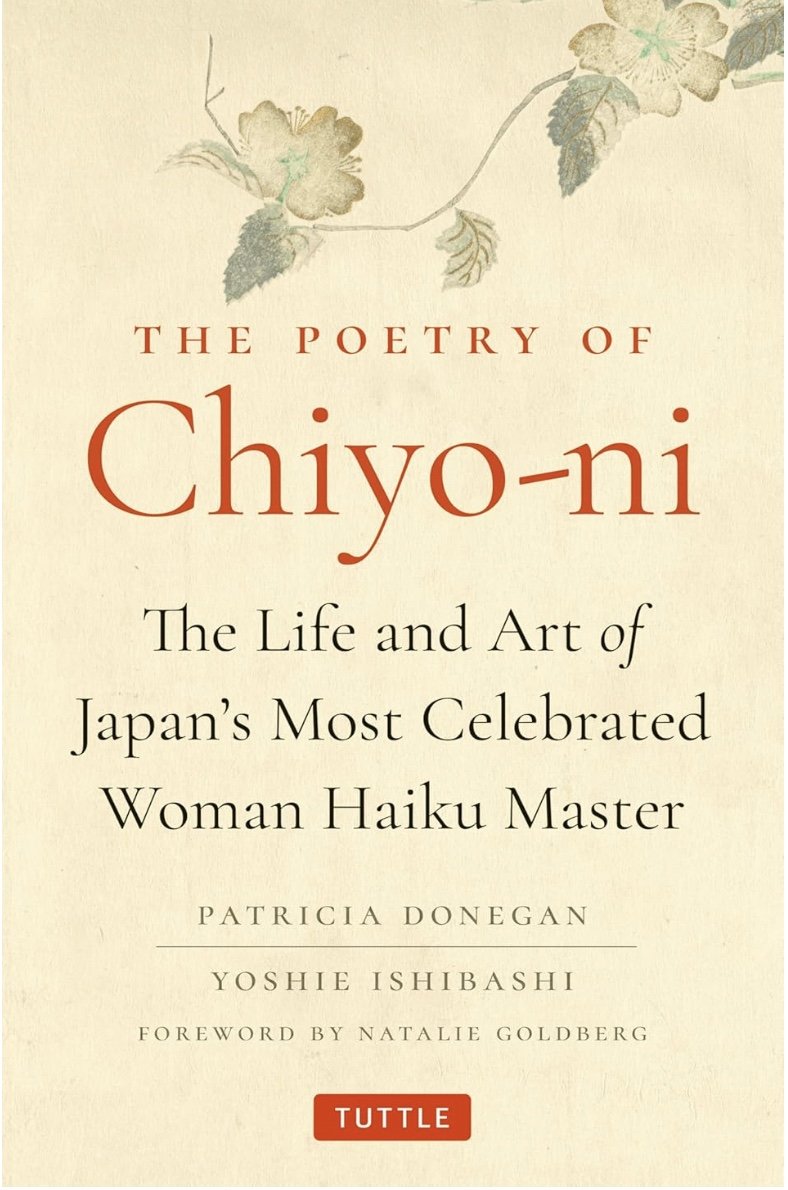
The Poetry of Chiyo-ni
This book introduces the life and work of Chiyo-ni (1703–1775), one of Japan’s most celebrated haiku poets and a woman who built a literary life in a world that rarely made space for women. Poet, artist, and later a Buddhist nun, Chiyo-ni lived a life shaped by both discipline and quiet observation.
The book moves from her life and historical context into her poetry, presenting the haiku in multiple forms alongside artwork, calligraphy, and helpful explanations. It’s not a book to rush through. It asks you to slow down, read carefully, and return to certain pages more than once. Some poems need guidance to fully open up. Others arrive whole.
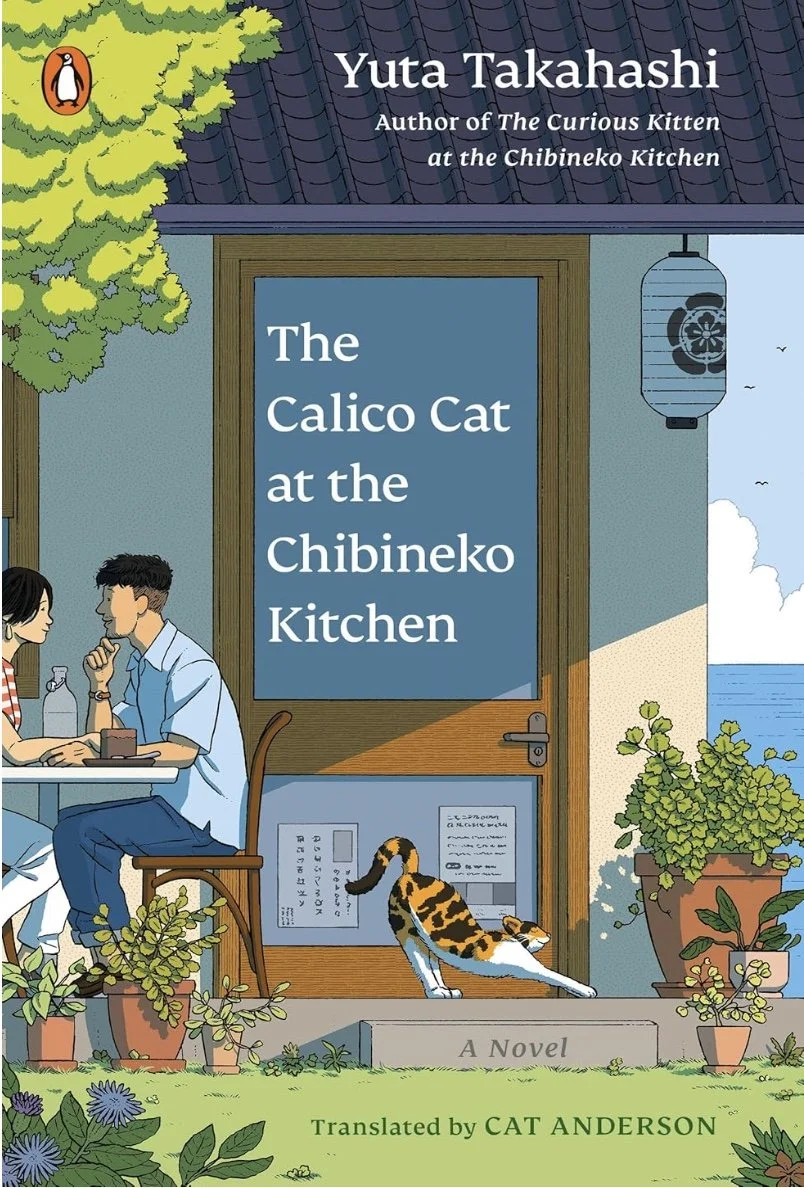
The Calico Cat at the Chibineko Kitchen
A sad but gentle healing novel that knows exactly what it’s doing. The Calico Cat at the Chibineko Kitchen follows people carrying deep grief as they share meals that allow them one brief moment with someone they’ve lost.