
A Magical Girl Retires
by Park Seolyeon
translated by Anton Hur
Buy on Amazon. #ad
What It’s About
A 29-year-old woman is broke, depressed, and ready to jump off Mapo Bridge in Seoul. She’s stopped by Ah Roa, a girl in white who tells her she might be the greatest magical girl of all time.
Real-life magical girl work, though, is not glitter and destiny. It looks like job fairs, classes, unions, and showing up even when you feel like you have nothing left to give. Her “wand” is a credit card, and the threat she’s up against isn’t a villain in a cape. On the surface, it’s climate change. But the book is more interested in what happens when trauma enters the system. One magical girl, shaped by abuse, loses sight of the larger problem entirely. When the protagonist finally comes into her power, it isn’t about fixing everything. It’s about choosing who, and what, can be saved, and living with the cost of that choice.
I didn’t realize until later that the main character is never named. A perfect choice. She’s meant to be ordinary, easy to overlook, and interchangeable. She could be any girl.
What Stuck With Me
This looks like a cute book. It is cute. But it is also carrying a lot.
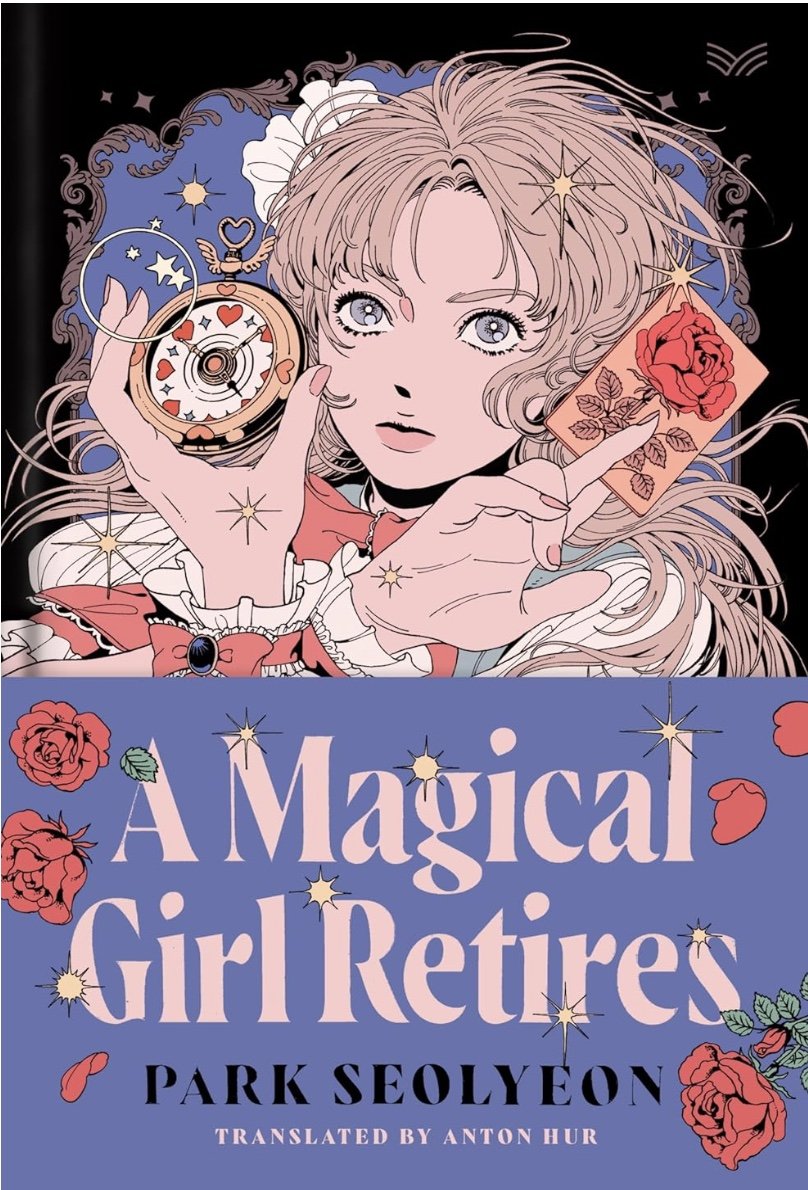
I realized I’d seen this book years ago in a bookstore in Korea and passed on it. The cover made me think it was a Sailor Moon type comic, something light, something I told myself I didn’t read anymore. I thought it would be cotton candy. It’s funny to look back on that now, knowing how much weight this book actually holds.
On a first read, it moves fast and feels light. Then you step back and realize it’s holding up little mirrors everywhere. Debt. Work. Burnout. How easy it is to fall through the cracks. How the world can feel like it’s ending, even when you’re still expected to keep going to class and show up to the job fair. There’s even a faint hint of romance, just enough to complicate things without becoming the point.
I also liked the idea that magical girls aren’t chosen because they’re strong. They’re chosen because they start out weak. Or at least, because the world has already decided they are. The book keeps asking who gets pushed toward “good,” who gets pushed toward “evil,” and how much of that comes from trauma, shame, and being left alone too long.
And yes, the credit card “wand” is almost too perfect. It’s funny, but it’s also painfully familiar. The thing that keeps you afloat is the same thing that can ruin you.
The format is part of why it works. It reads like a superhero comic with no pictures. Quick scenes, bright turns, a lot of motion. It doesn’t stop to explain everything. It lets things unroll and trusts you to catch what it’s doing.
Would I Recommend It
Yes.
I’d recommend it to anyone who likes genre books that still talk to real life. If you’ve ever felt stuck in that millennial mix of “I’m exhausted, I’m behind, I should be doing more,” this will probably hit.
I wouldn’t recommend it to someone who wants a deep, detailed approach to any one issue. This book touches a lot, on purpose, and then keeps moving. That’s part of its charm.
My takeaway
It looks light at first, but it doesn’t take long to see how much it’s holding.
Other books by this author
Capitalists Must Starve - A fierce historical novel about labor, resistance, and working-class women finding power in Japanese occupied Korea.
Project V: A Novel - A Korean sci-fi novel where mecha battles, reality TV, and gender politics collide around ambition, identity, and power.
