
This Is Amiko, Do You Copy?
by Natsuko Imamura
translated by Hitomi Yoshio
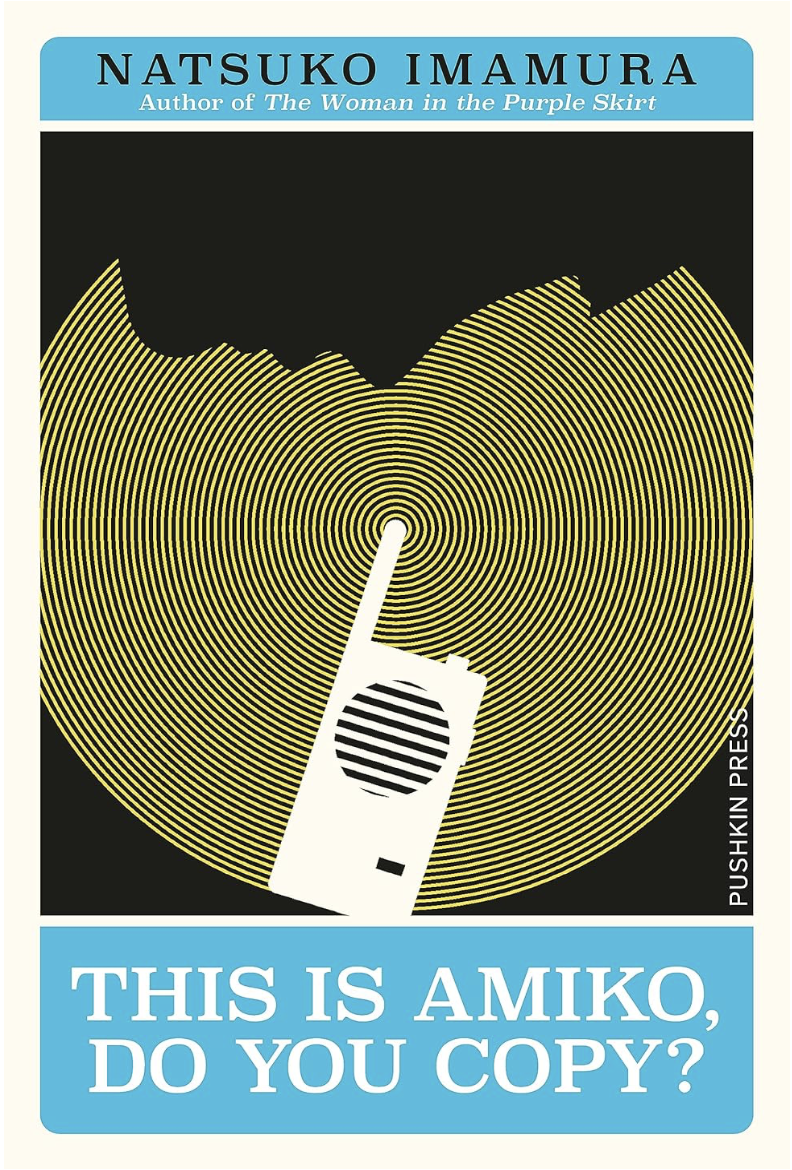
Where to buy: Amazon | Bookshop.org
What It’s About
This Is Amiko, Do You Copy? is a short Japanese novella told entirely from the perspective of Amiko, a young girl living on the edges of her family, her school, and the world around her.
The book doesn’t offer much framing or explanation. You are placed inside Amiko’s voice and stay there through this time in her life. What you see is filtered through her understanding, which is often incomplete, sometimes disorienting, and deeply sincere.
What Stuck With Me
This book is sad in ways that build slowly as you read.
Amiko felt to me like a beautiful spirit who doesn’t fully understand what’s happening around her. She moves through the world with a kind of openness that makes her vulnerable. I kept wanting to protect her. To step in. To make things softer for her. She isn’t weak, but the world isn’t built to meet her where she is.
I never felt frustrated with Amiko. I felt frustrated for her. Saddened by how often she’s misunderstood, dismissed, or left to manage things she doesn’t have the tools to fully grasp. The book never labels her or explains her behavior in clinical terms, but it’s hard not to read her as neurodivergent in some way. That ambiguity felt intentional, and honestly, respectful to respectful to the character. She doesn’t know she is different. She isn’t interested in a diagnosis. She only knows what it feels like to be Amiko.
What makes this work is how pure her heart is. She’s sweet. She’s earnest. She wants connection, even when she doesn’t know how to ask for it. And because the story never steps outside her perspective, the gaps in understanding become part of the emotional weight of the book.
This isn’t a healing read. It’s touching, but it’s also harsh at times. There’s a quiet cruelty in the way adults fail her, often without meaning to. And the ending is messy in the way real life can be messy. It doesn’t tie things up. It doesn’t reassure you.
That felt honest, even if it hurt.
Would I Recommend It
Yes.
This is for readers looking for a short, emotionally affecting book that doesn’t explain itself or clean up its edges.
If you need neat endings or clear emotional closure, this may not be for you.
My takeaway
Some stories don’t ask to be solved. They ask to be witnessed.
Thank you to Pushkin Press for the gift of this beautiful novella.
