

My Asian Era
A curated journey through Asian literature
Thoughtful Reviews. Quiet Stories. Literary Depth.
For the past two years, I’ve been reading, reviewing, and steadily building a curated archive of books by Asian authors, mostly translated fiction, contemporary literature, and underrepresented voices that often get missed by mainstream reading lists.
What started as a personal reading habit has evolved into a full platform: a growing collection of spoiler-free reviews, thematic roundups, and quiet reflections meant to help more readers discover the emotional and cultural depth of Asian literature.
You’ll find:
Honest reviews from across Asia: Korean, Japanese, Southeast Asian, South Asian, Chinese, and Asian authors writing from around the world
Mini features for short books and chapbooks
Book club picks with community conversation prompts
Emotional clarity over academic critique
A calm space to discover books that you may have missed otherwise
This is a living archive, part ongoing project, part reflective journal.
I’m in the process of centralizing older reviews and continuing to explore both contemporary releases and classic titles from across the region.
If you're tired of the same dozen titles getting recycled across book feeds, you're in the right place.
Welcome.
P.S. If you're looking to read along, I host a quiet book club through Fable. It's casual, thoughtful, and open to anyone curious about Asian literature.
Search Titles, Authors, Keywords, Themes
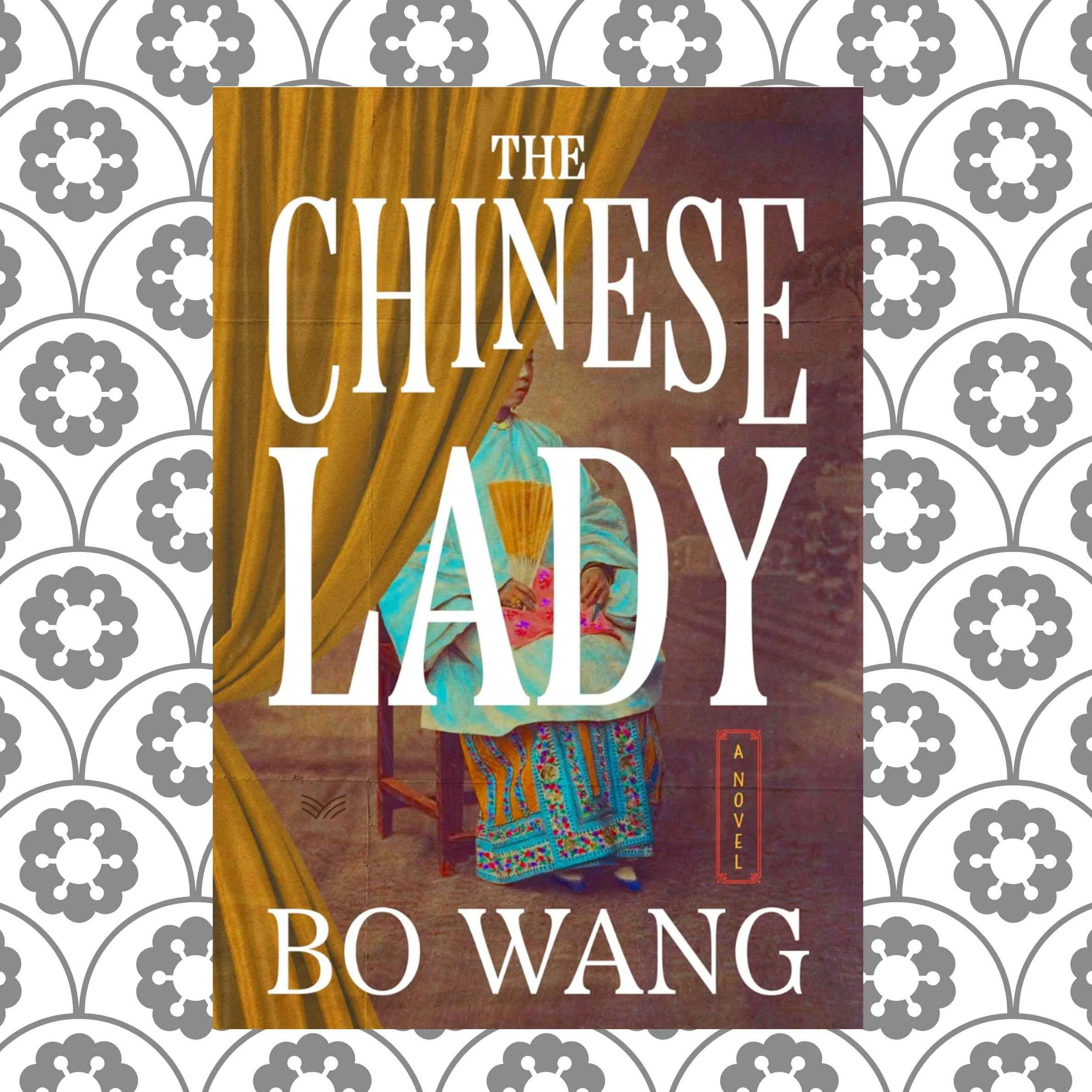
The Chinese Lady
I knew Afong Moy was a real person. What I didn’t realize was how little of her life is actually documented. Bo Wang takes those fragments and builds a historical novel about survival, identity and who gets to tell a woman’s story.
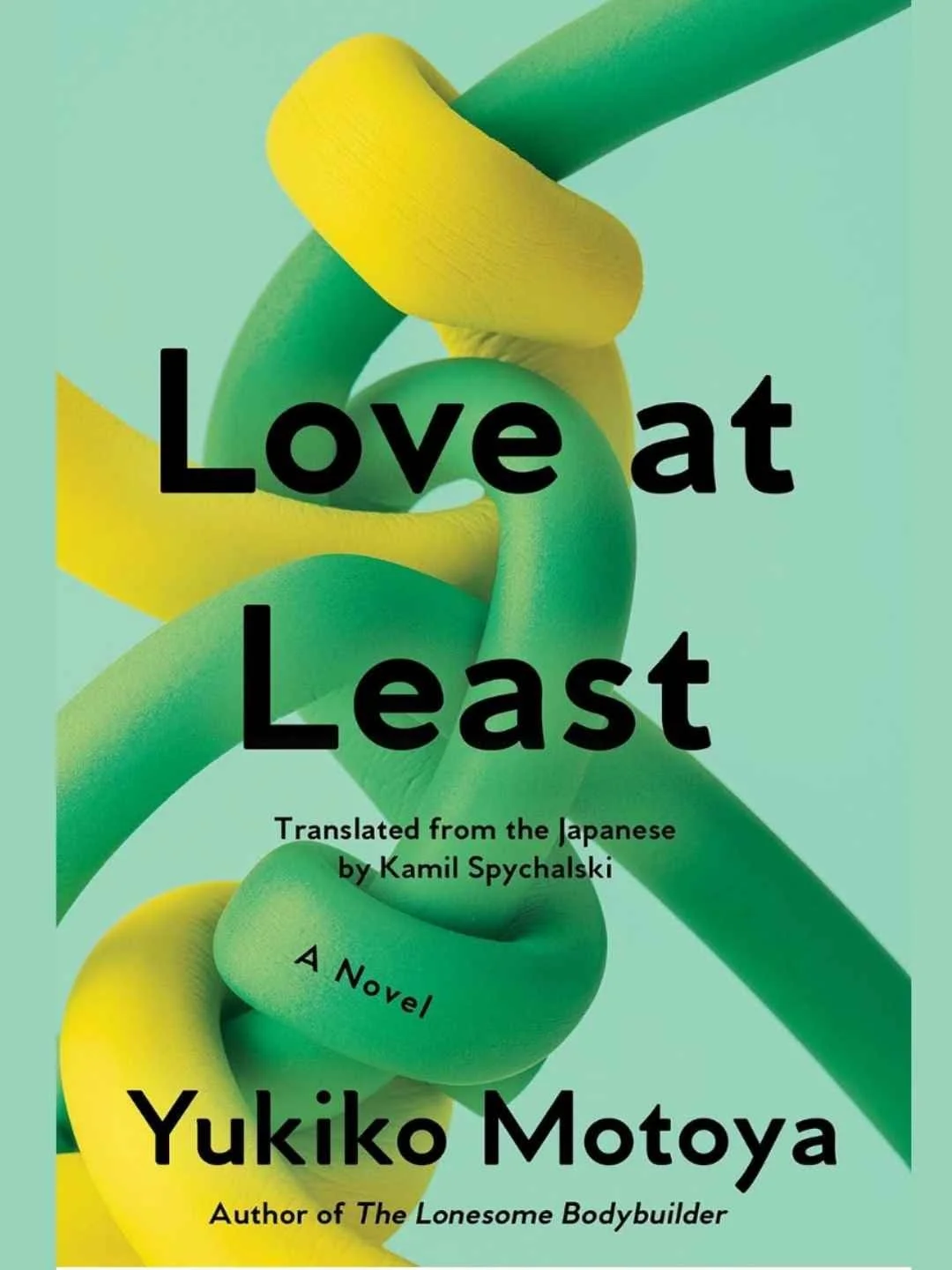
Love at Least
I thought Love at Least was going to be a quick love story. Instead, Yukiko Motoya’s novella became a painful, complicated look at depression, love and what it means to live beside someone whose suffering you cannot fix.
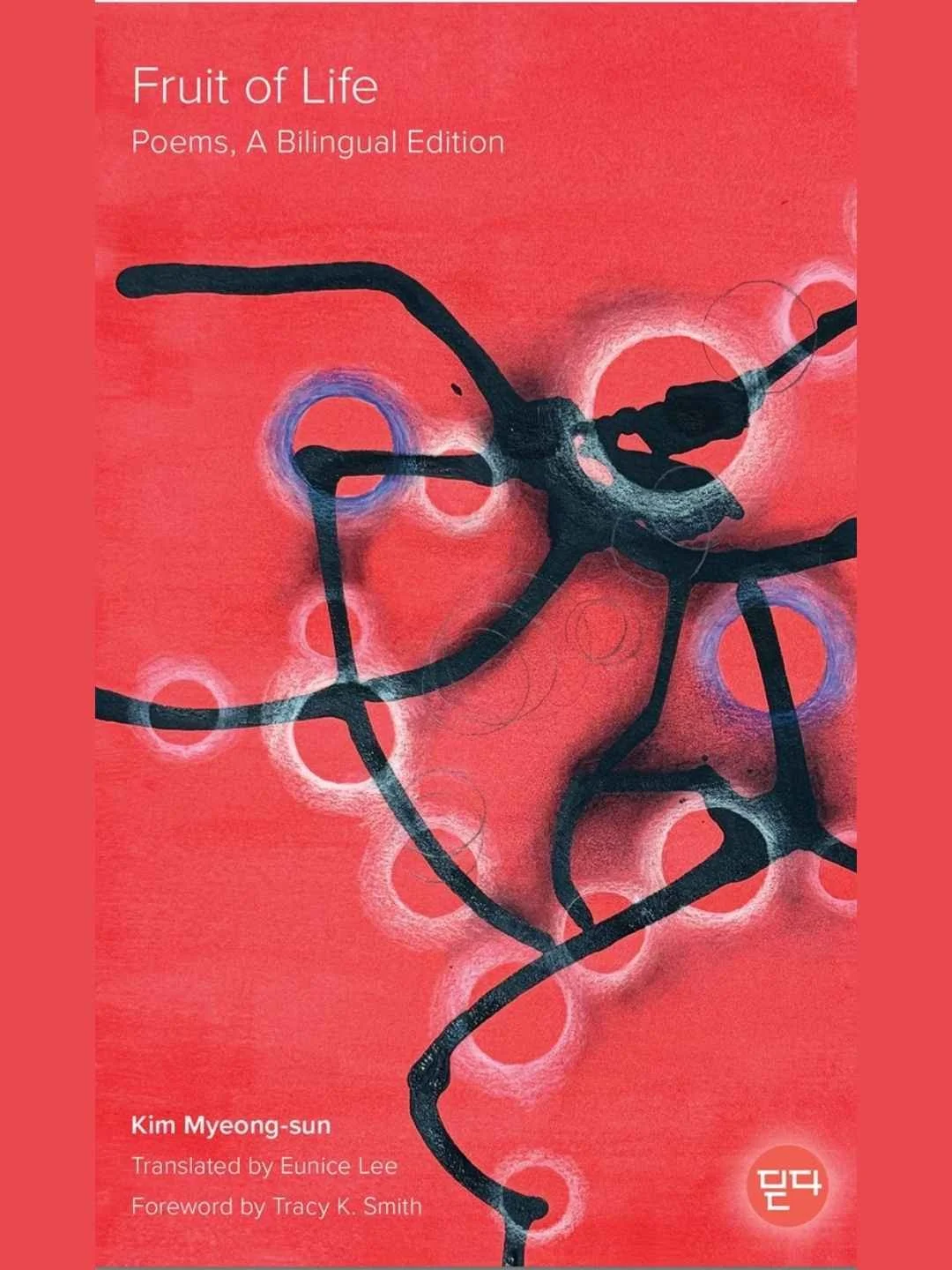
Fruit of Life
I expected Kim Myeong-sun's poetry to feel distant after more than a century. Instead, Fruit of Life, translated by Eunice Lee, felt remarkably immediate, filled with longing, loneliness, love, grief and a voice I could hear clearly.
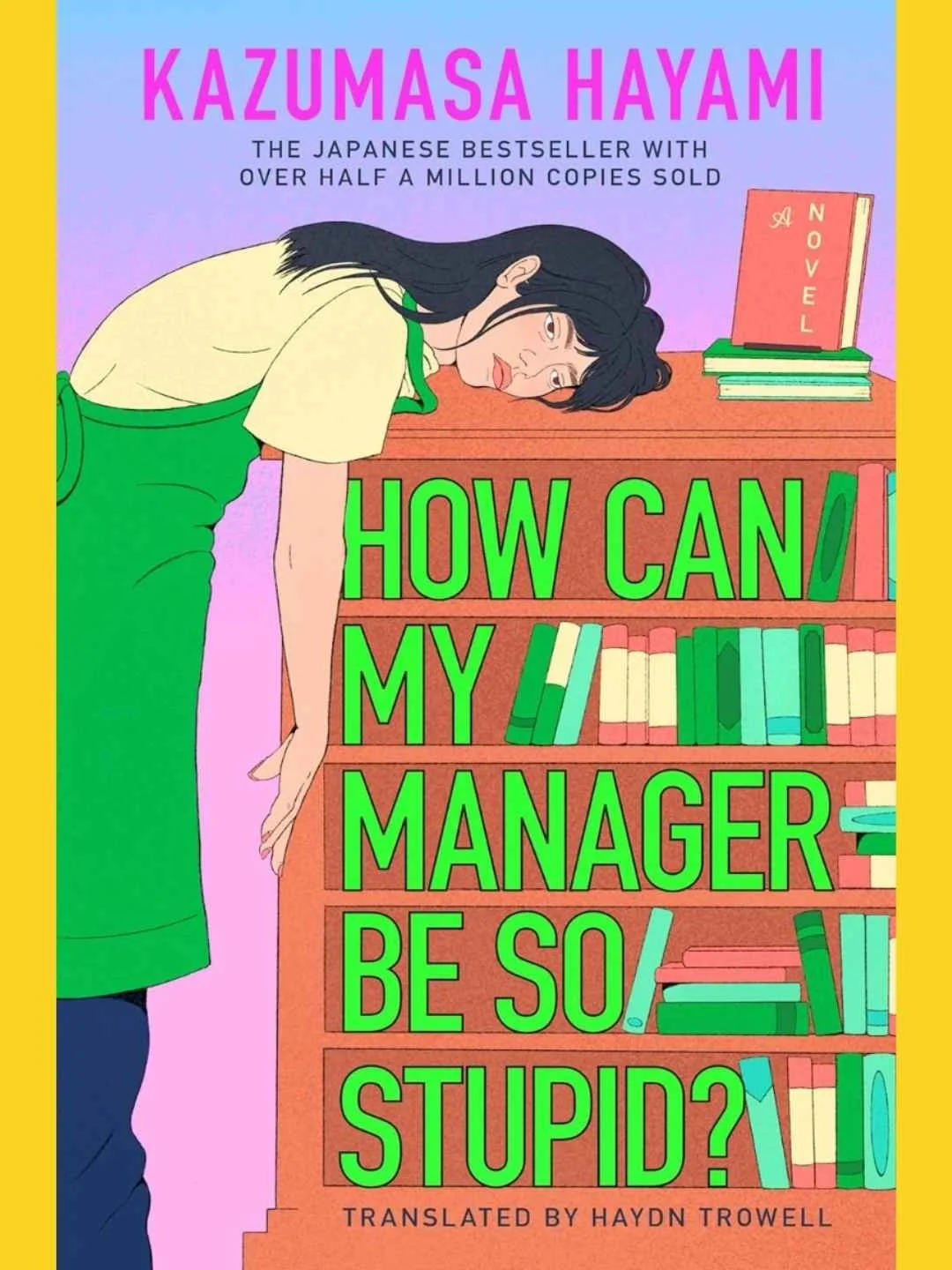
How Can My Manager Be So Stupid?
Funny, warm and unexpectedly sweet, How Can My Manager Be So Stupid? looks at bookstore life, workplace frustrations and how little we may actually know about the people we work beside every day.
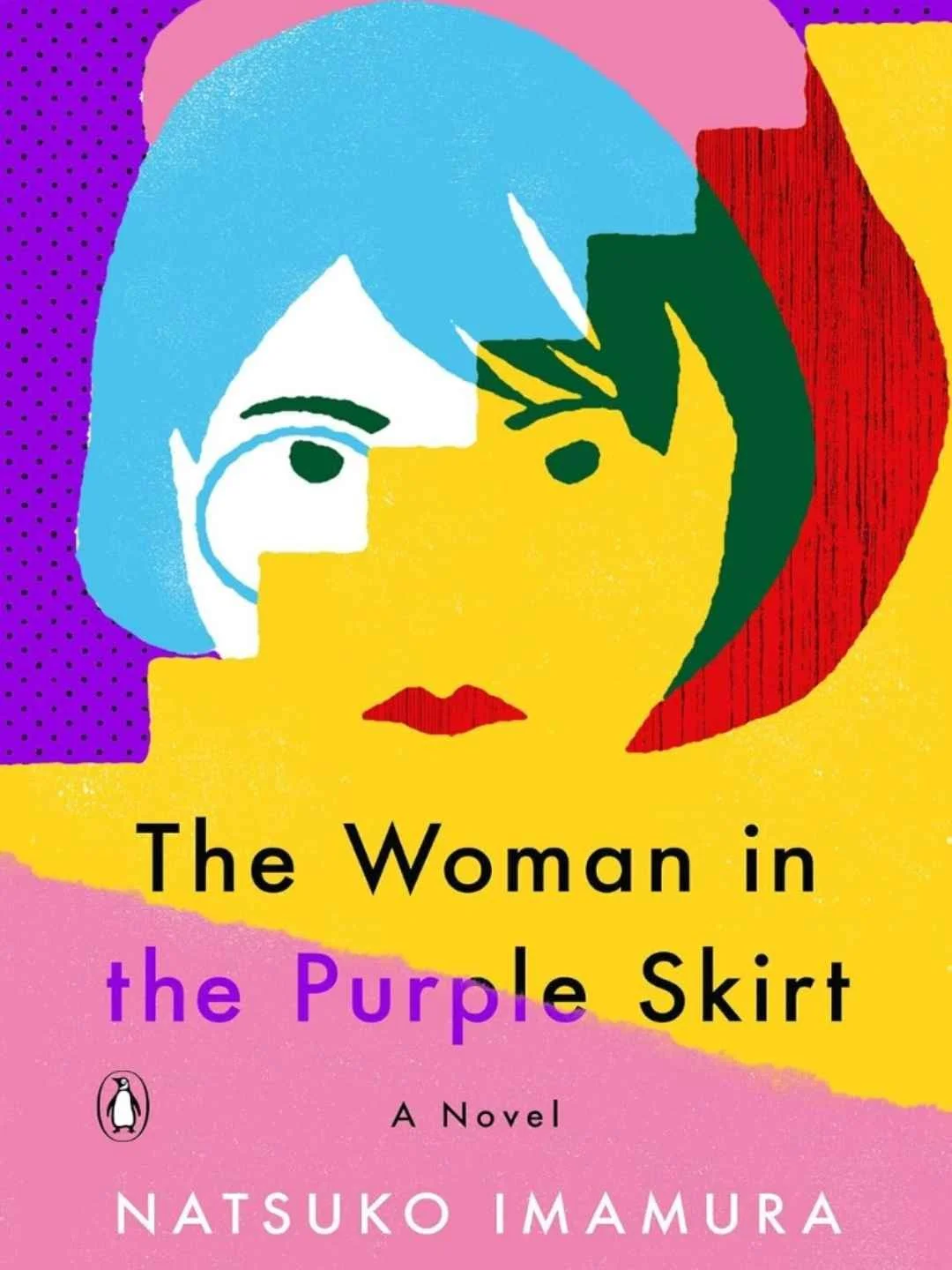
The Woman in the Purple Skirt
I finished The Woman in the Purple Skirt wondering what was real. The more I thought about its point of view, the more I realized that uncertainty was exactly what kept me thinking.
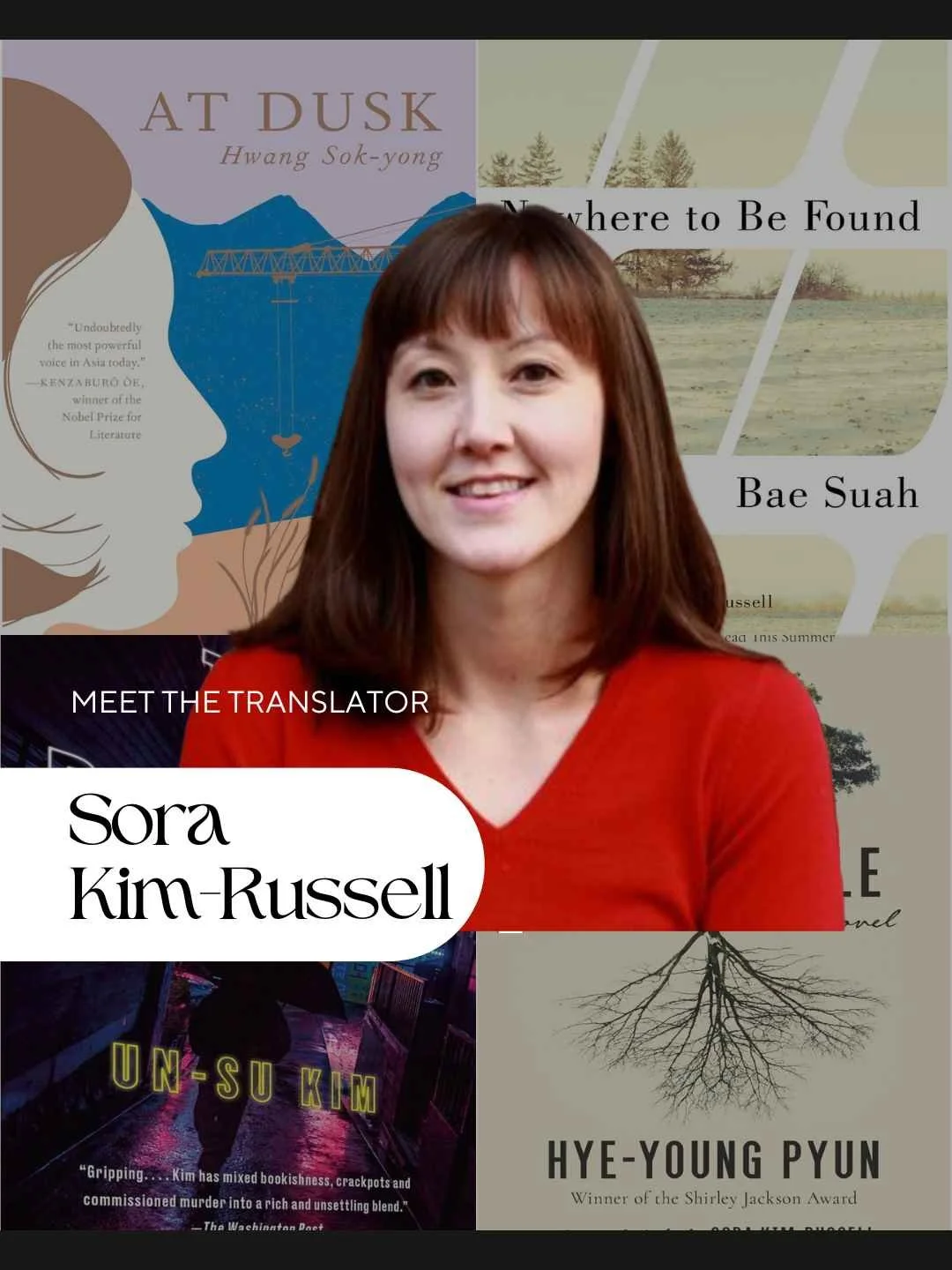
Meet the Translator: Sora Kim-Russell
I had read Sora Kim-Russell’s name many times without realizing how much of her work was already on my shelves. For Women in Translation Month, we talked about working with authors, the creative decisions behind translation, invisible care work, editing, and what translation has meant for her own writing.
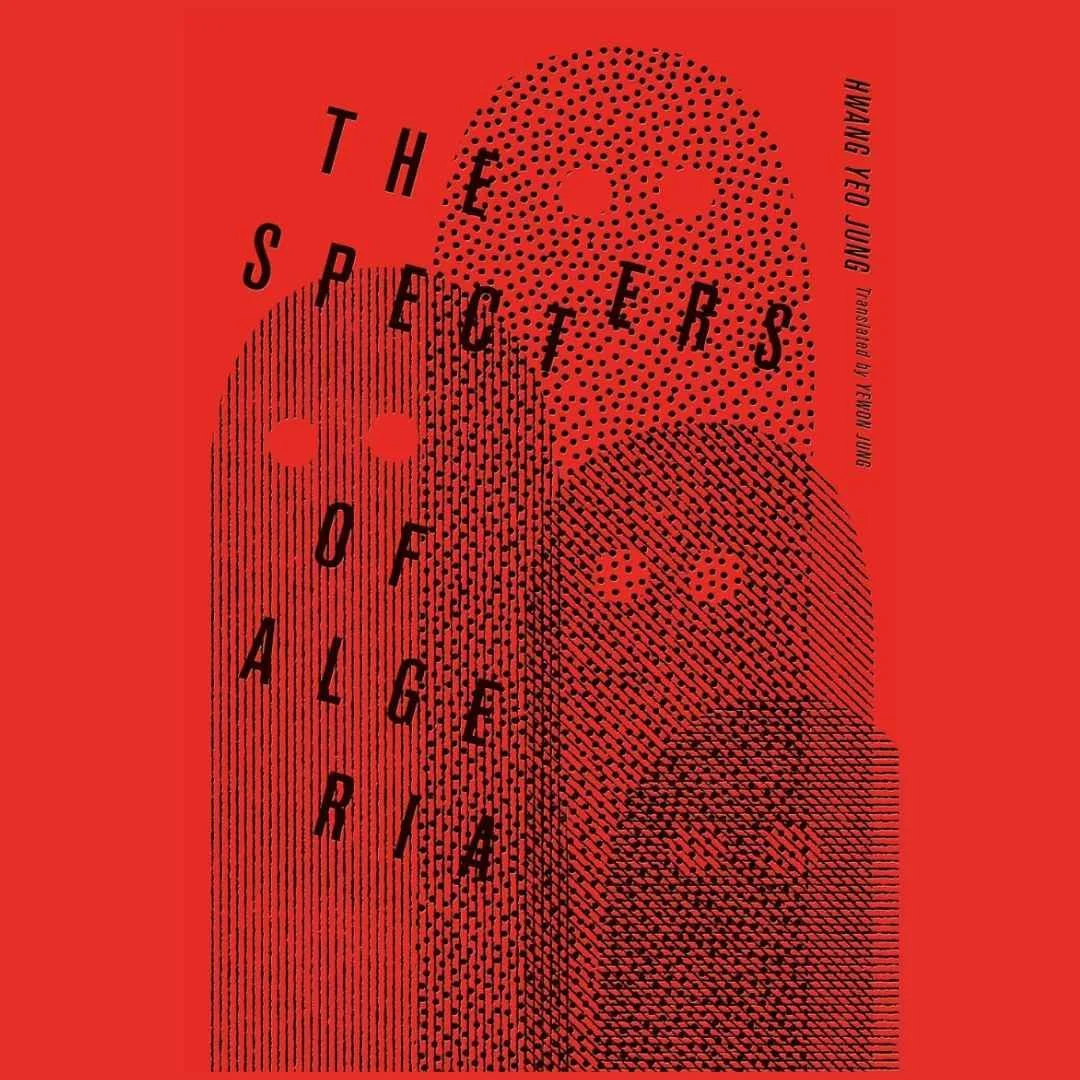
The Specters of Algeria Review
A recommendation put The Specters of Algeria on my TBR. When it appeared again during Women in Translation Month, I took the hint. Hwang Yeo Jung’s novel starts small and gradually opens into something much stranger.
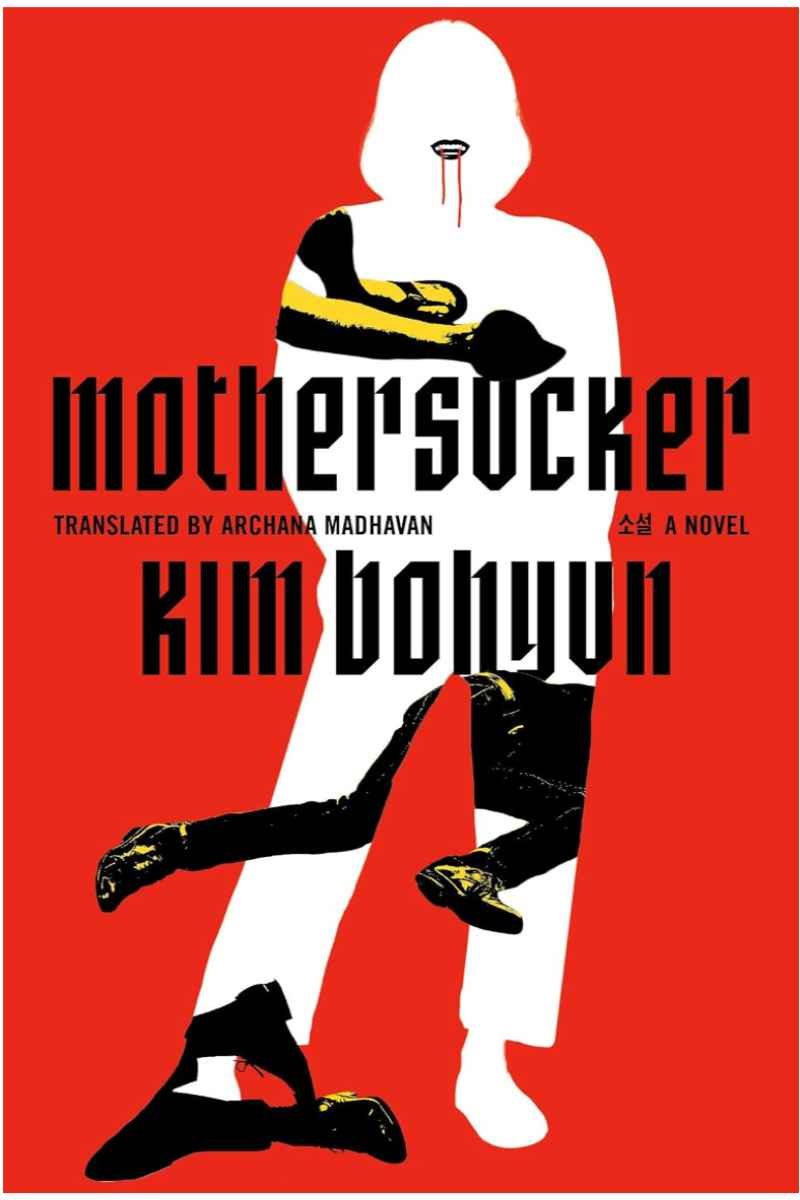
Mothersucker Review
I went into Mothersucker expecting dark vampire horror. What surprised me was how much of the real horror came from the violence women live with, and how satisfying it was to watch someone finally make sure there were consequences.
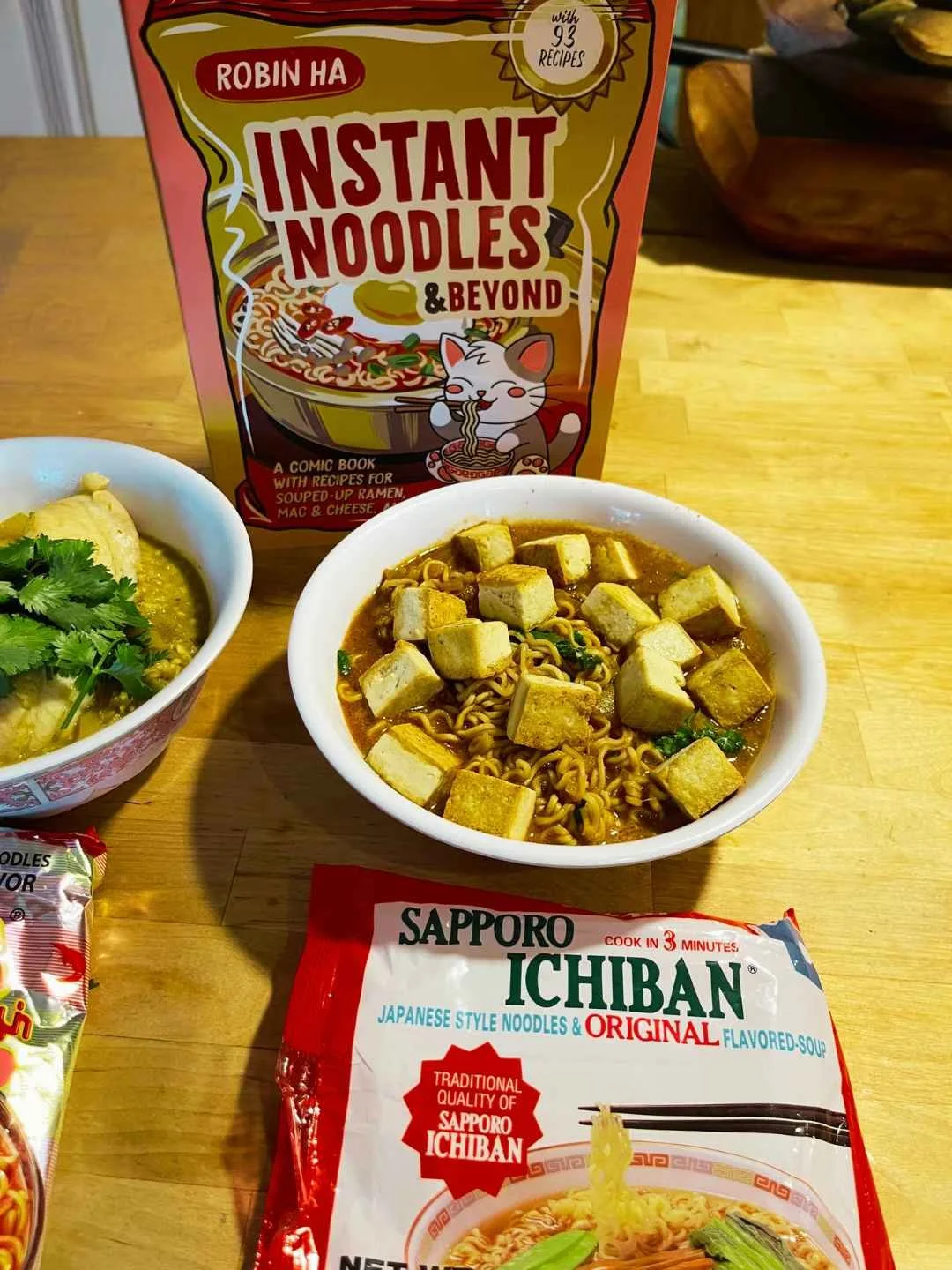
Instant Noodles & Beyond Review:
Robin Ha’s comic cookbook looked adorable from the start, but I wasn’t expecting it to be quite this useful. After turning the review into a family affair and testing five recipes, I’m definitely not finished cooking from it.
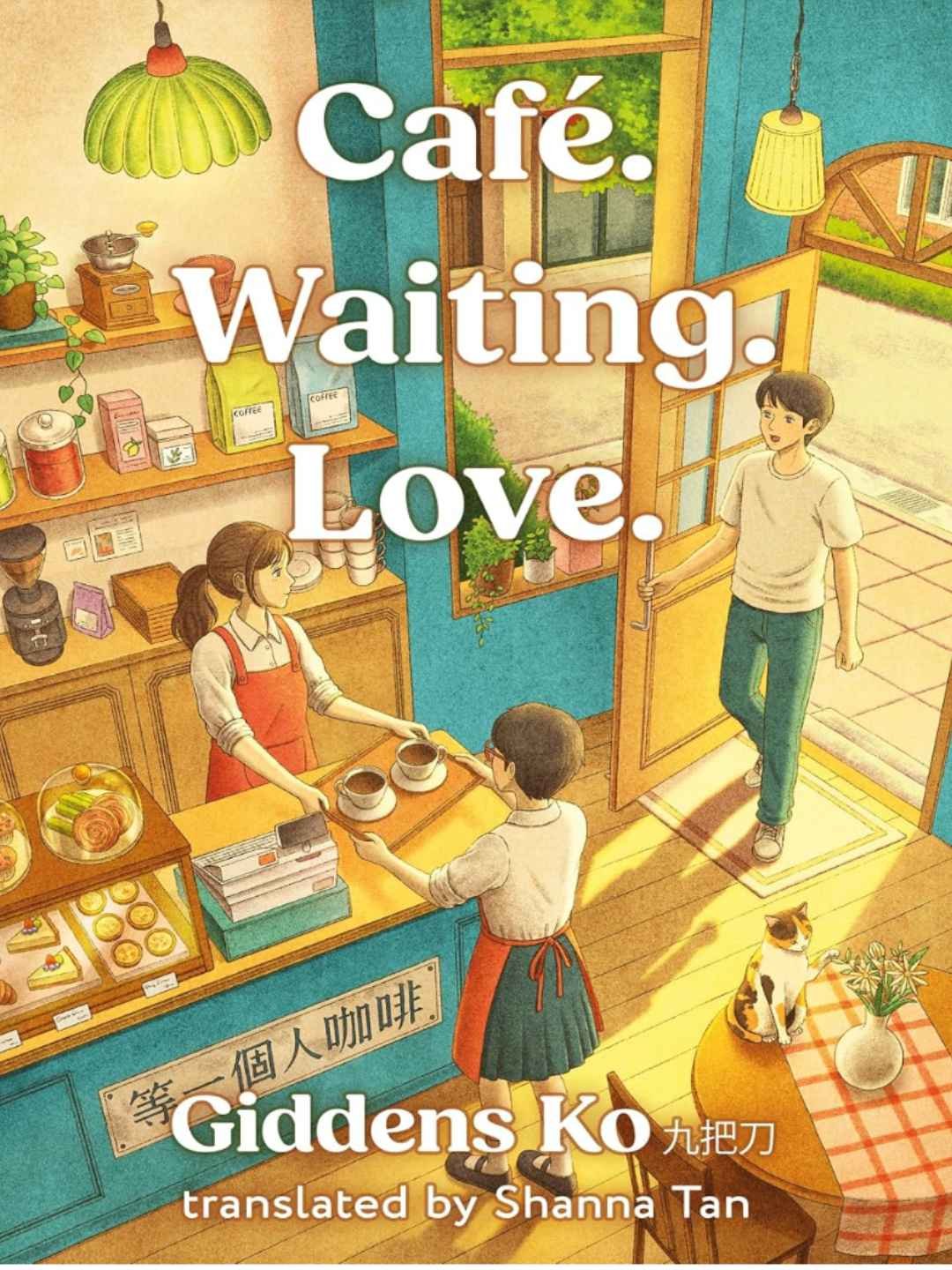
Café. Waiting. Love. Review:
I expected another café book built from loosely connected stories. Instead, Café. Waiting. Love. let me stay with Si-ying long enough to watch her grow up.
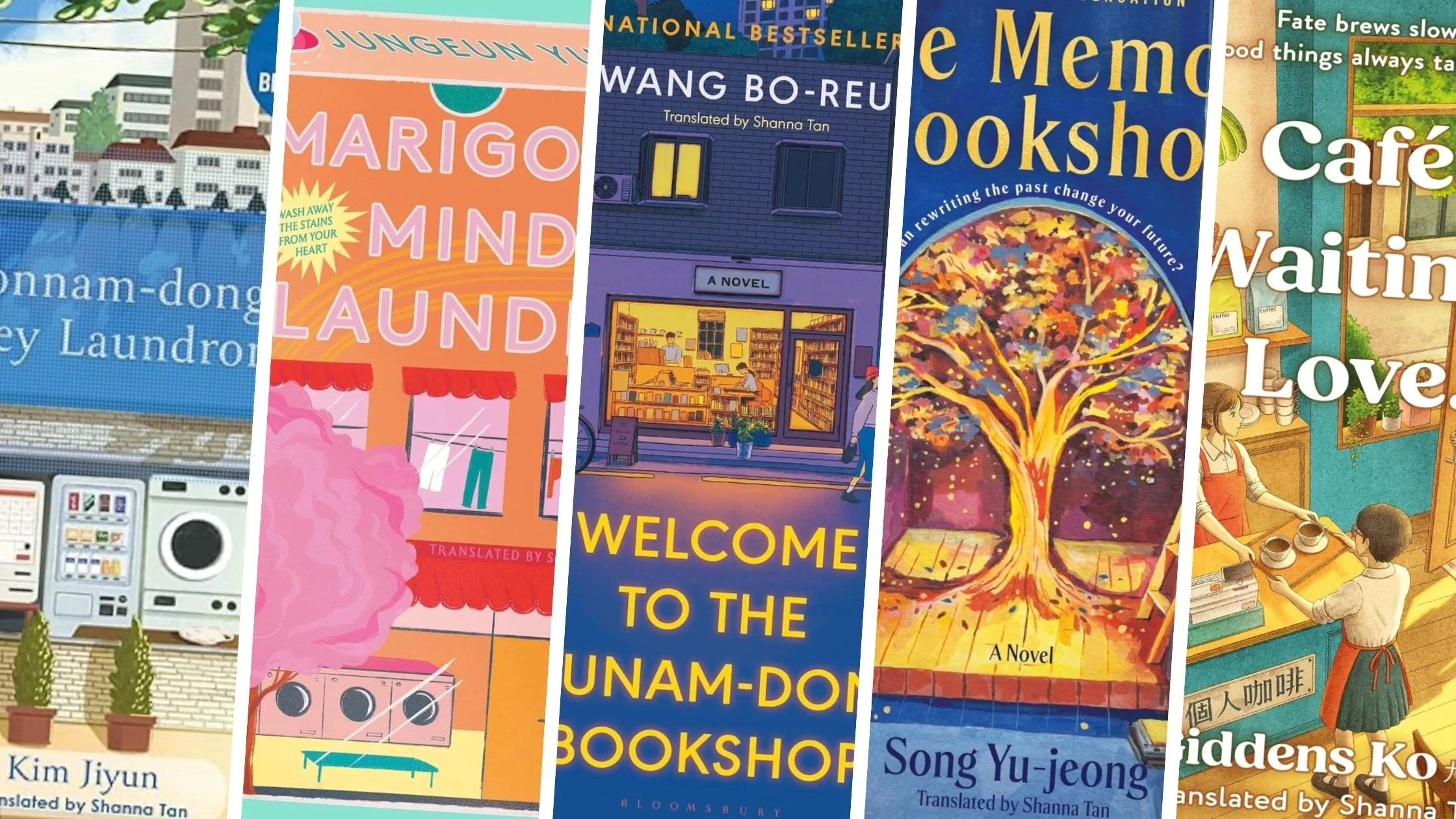
Meet the Translator: Shanna Tan
I first noticed Shanna Tan because of how enthusiastically she champions the books she translates. Then I looked at my shelves and realized just how many of her translations I had already read. For Women in Translation Month, I asked Shanna about working with authors, creative freedom, translator credit and the work behind the books.
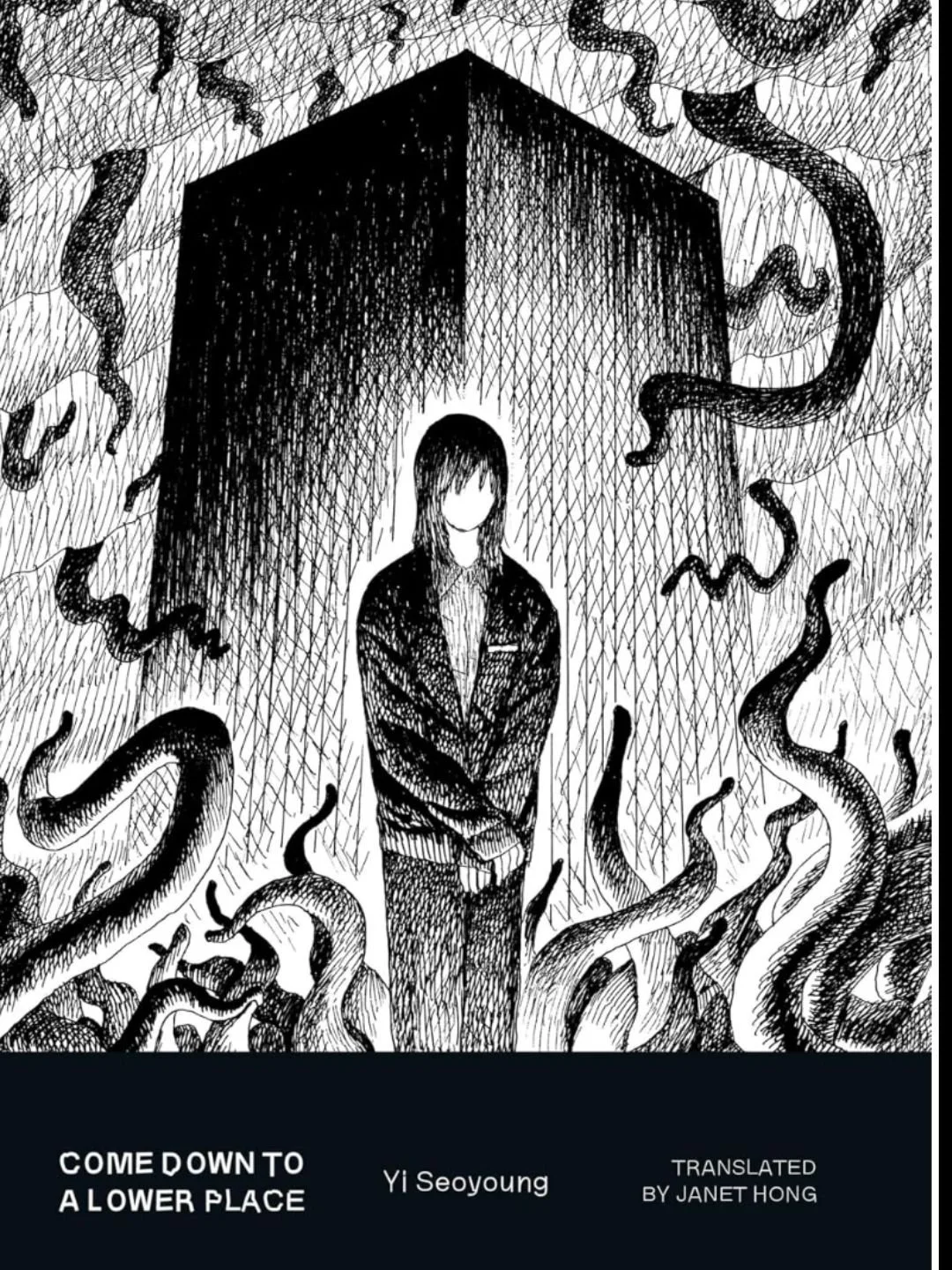
COME DOWN TO A LOWER PLACE
A smell beneath a Seoul department store leads to something built from women's suffering, blood, and rage. Yi Seoyoung's feminist body horror is grotesque, angry, and completely shameless.
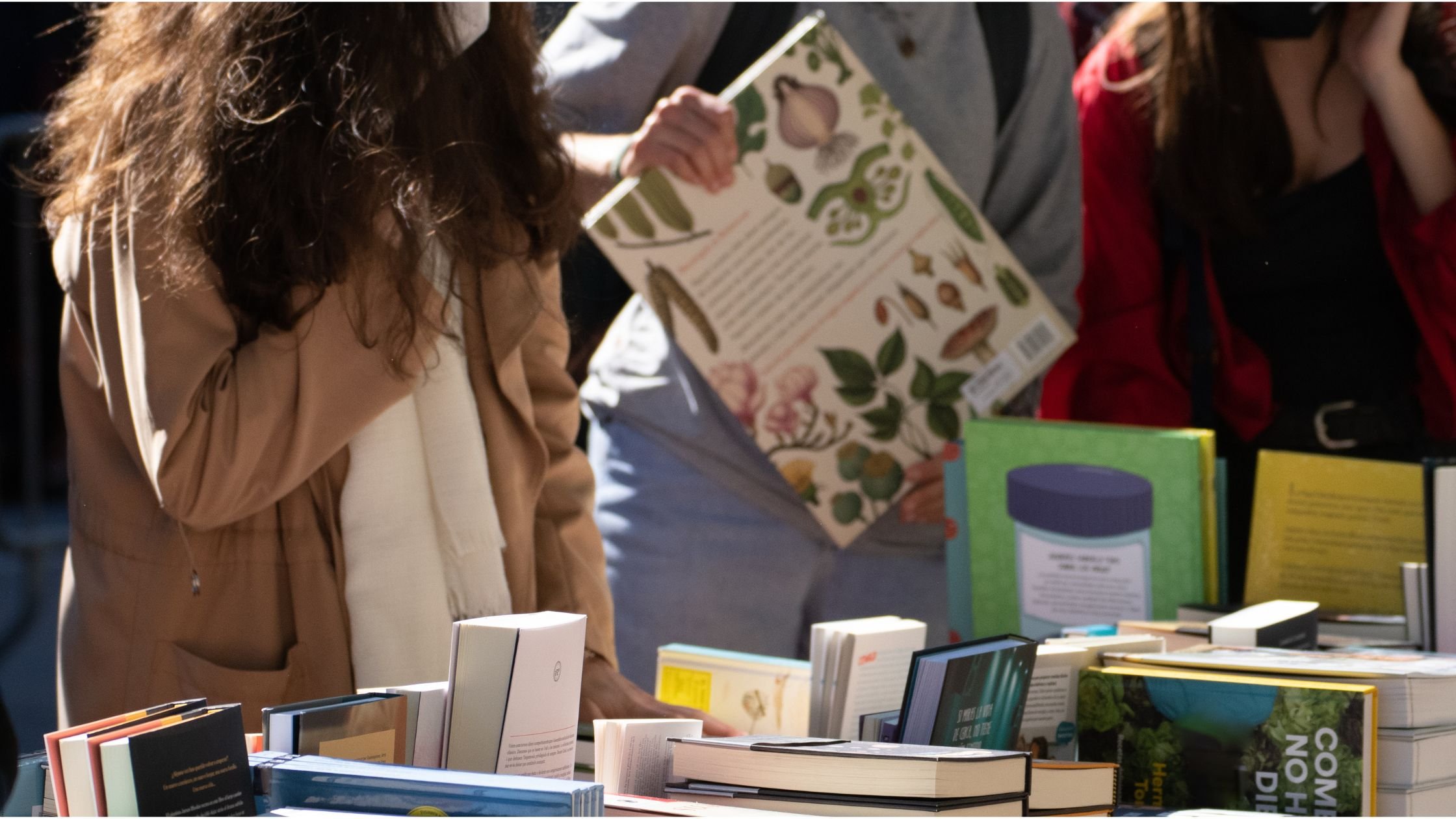
Before You Buy Your Next Book, Check This First
I went looking for one book sale and ended up finding 248 bookish options on Rakuten. If you’re already buying books, this is worth checking before you hit purchase.
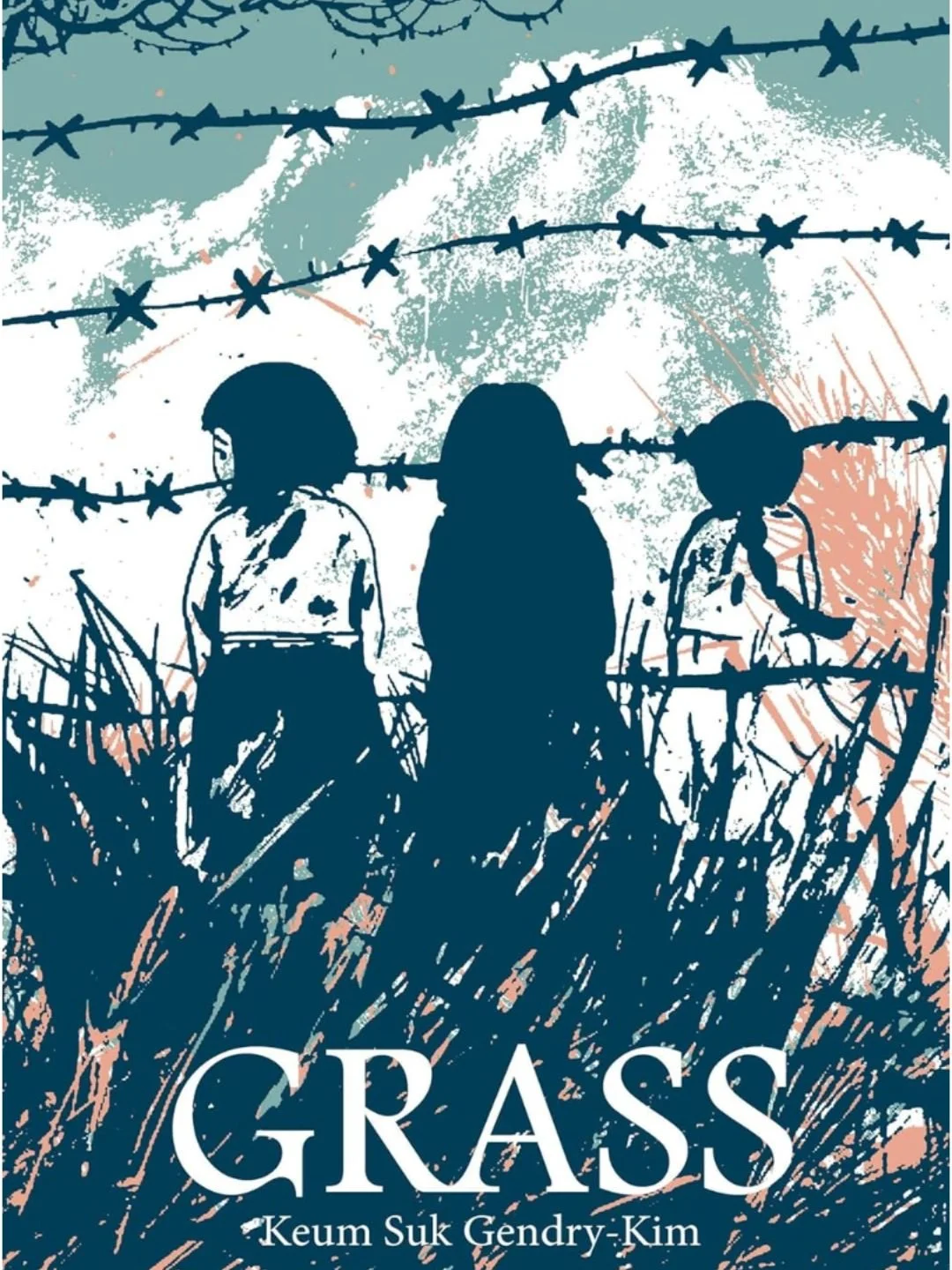
Grass
I don't read a lot of manhwa or manga, but Grass by Keum Suk Gendry-Kim is the story of comfort woman survivor Lee Ok-seon, told in stark black-and-white art that carries the full weight of her history. A review, a look at who Lee Ok-seon was, and a list of more books to read on this history, in time for August 14th's International Memorial Day for Comfort Women.
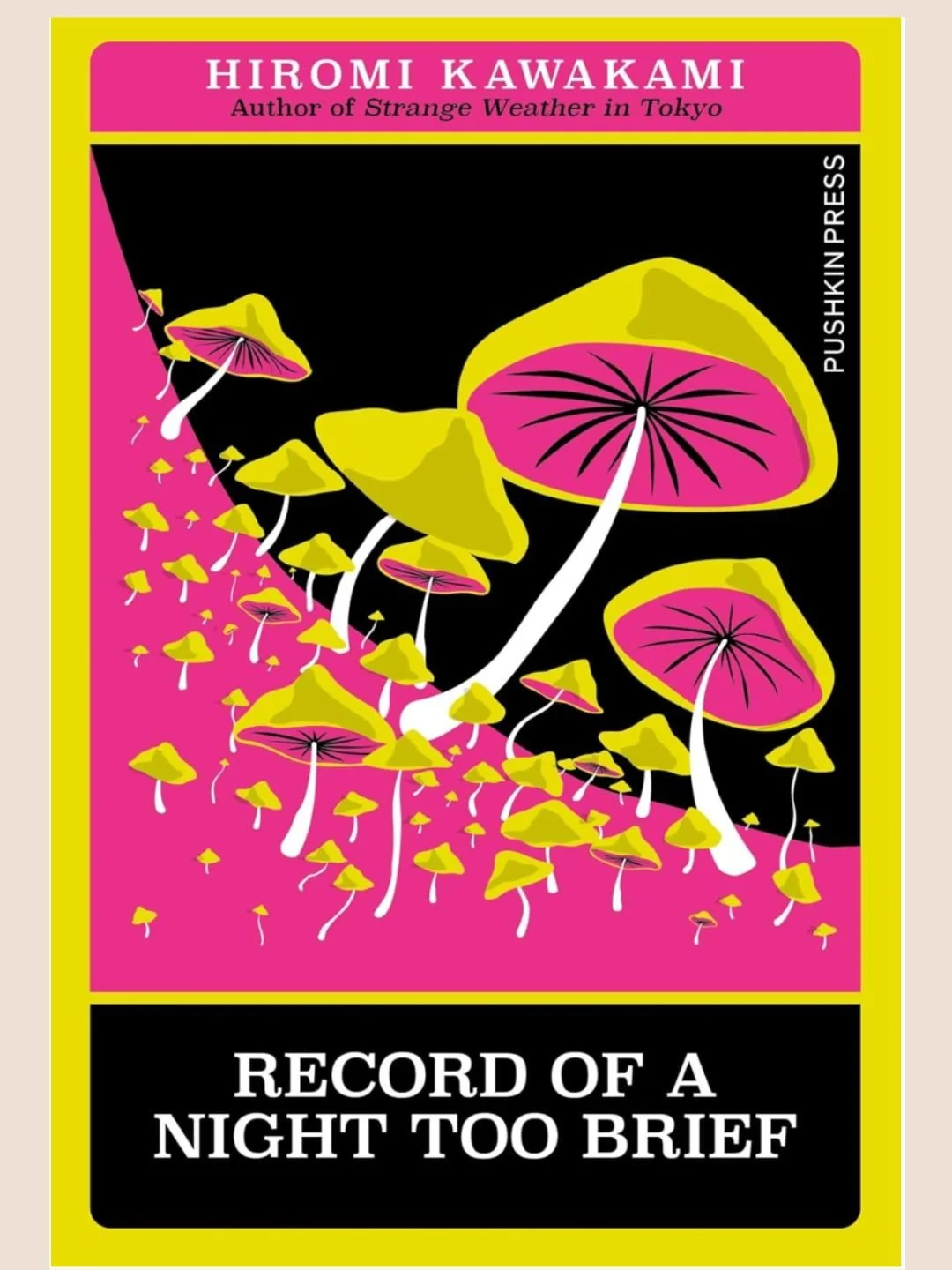
Record of a Night Too Brief
I walked into Record of a Night Too Brief completely blind, which turned out to be both a mistake and exactly right. Three sections, one lion, and a snake wearing a mother's face later, I'm still not sure I understood everything Kawakami was doing. I understood exactly what it did to me.
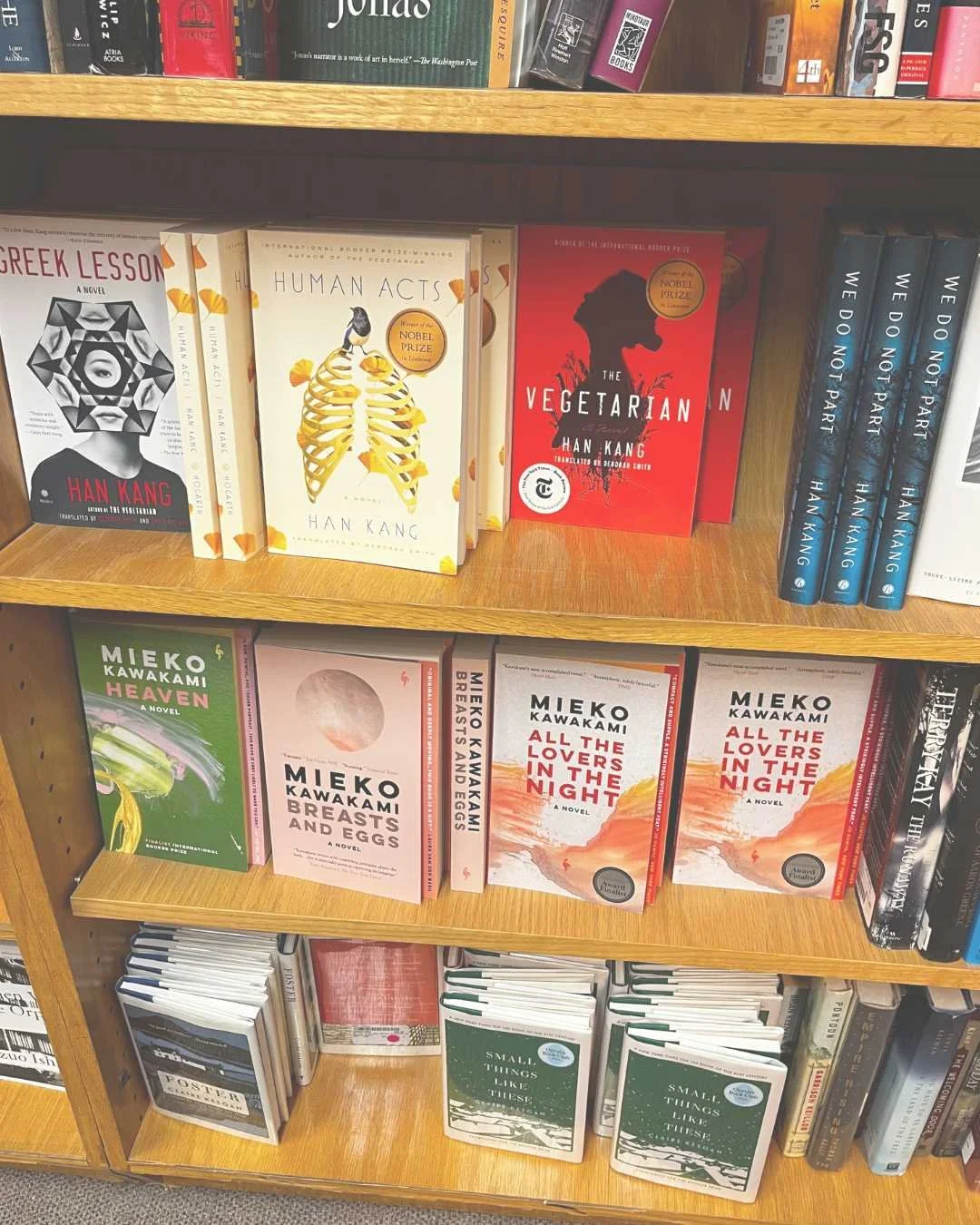
Where to Start with Asian Women in Translation: 12 Books Written and Translated by Women
Not sure where to begin with Asian women in translation? These 12 books, all written and translated by women, are organized by reading mood, from quiet and healing fiction to history, psychological suspense and speculative horror.
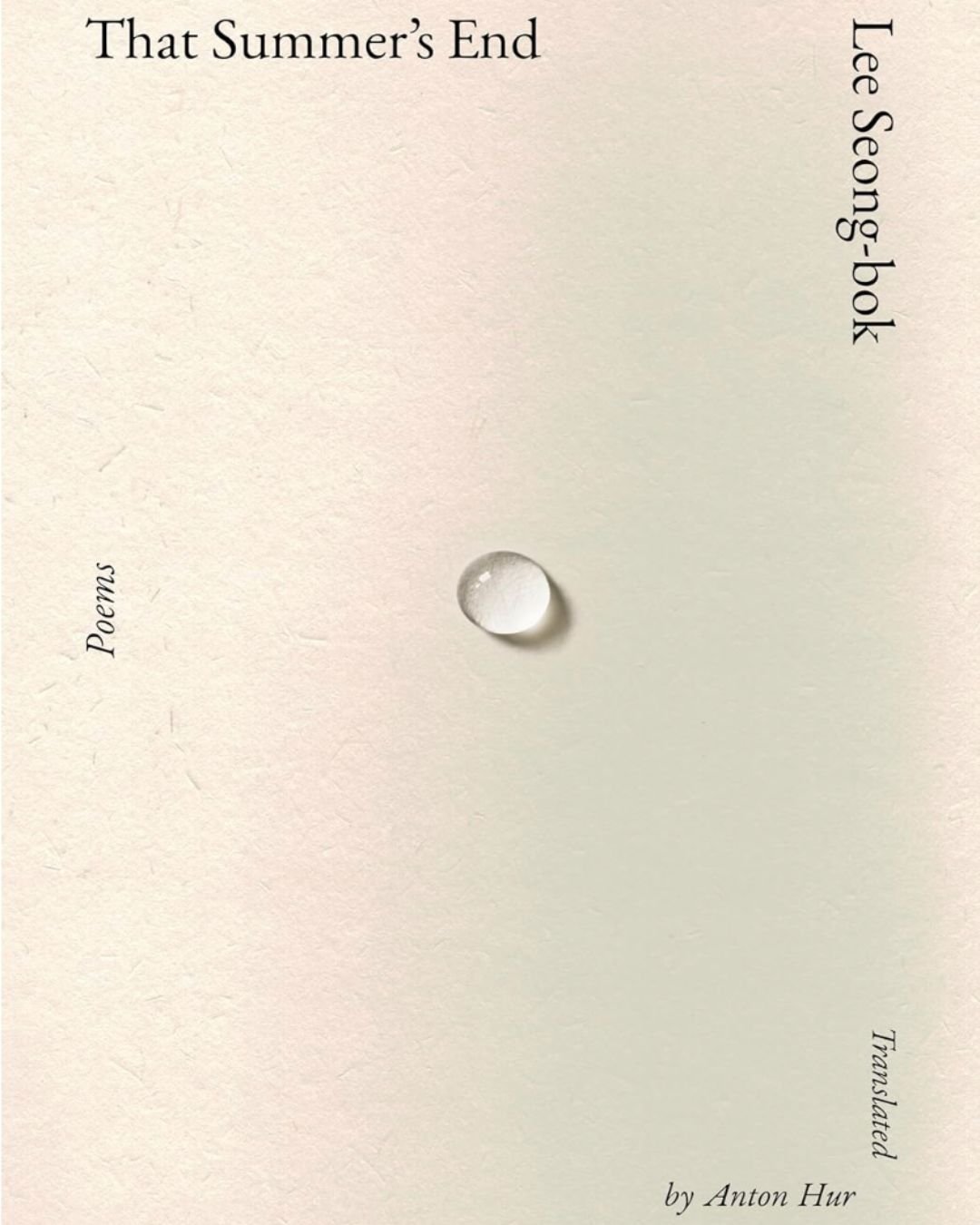
That Summer's End: Poems
Poems that blend Seon Buddhism and French Symbolism, translated by Anton Hur, with an unexpected link to BTS's RM behind its English release. A slow, devastating read on love, loss, and family.
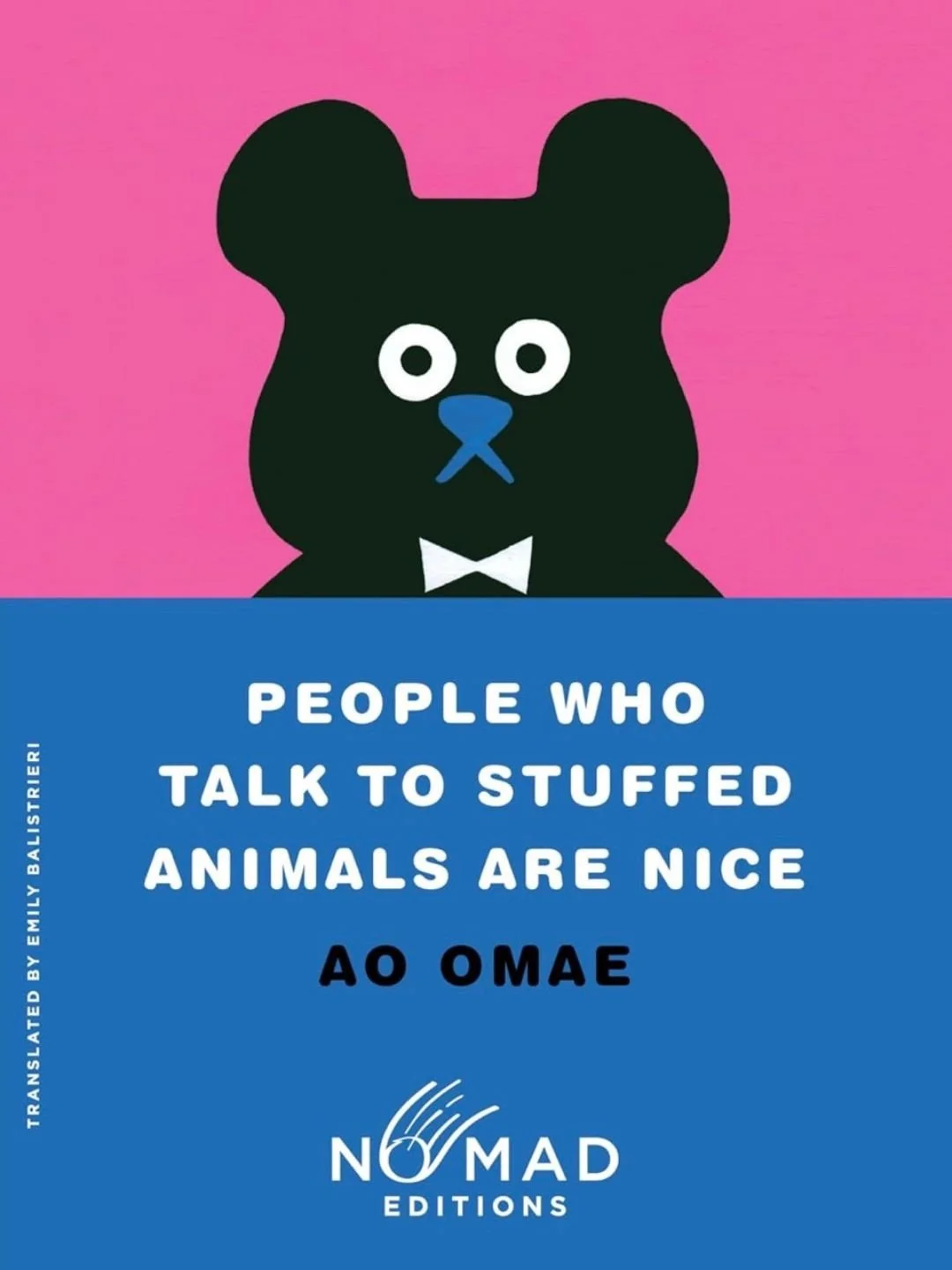
People Who Talk to Stuffed Animals Are Nice: Stories
A novella and three short stories about people who don't quite fit the mold, and are at peace with that. If you loved Convenience Store Woman, this one's for you.
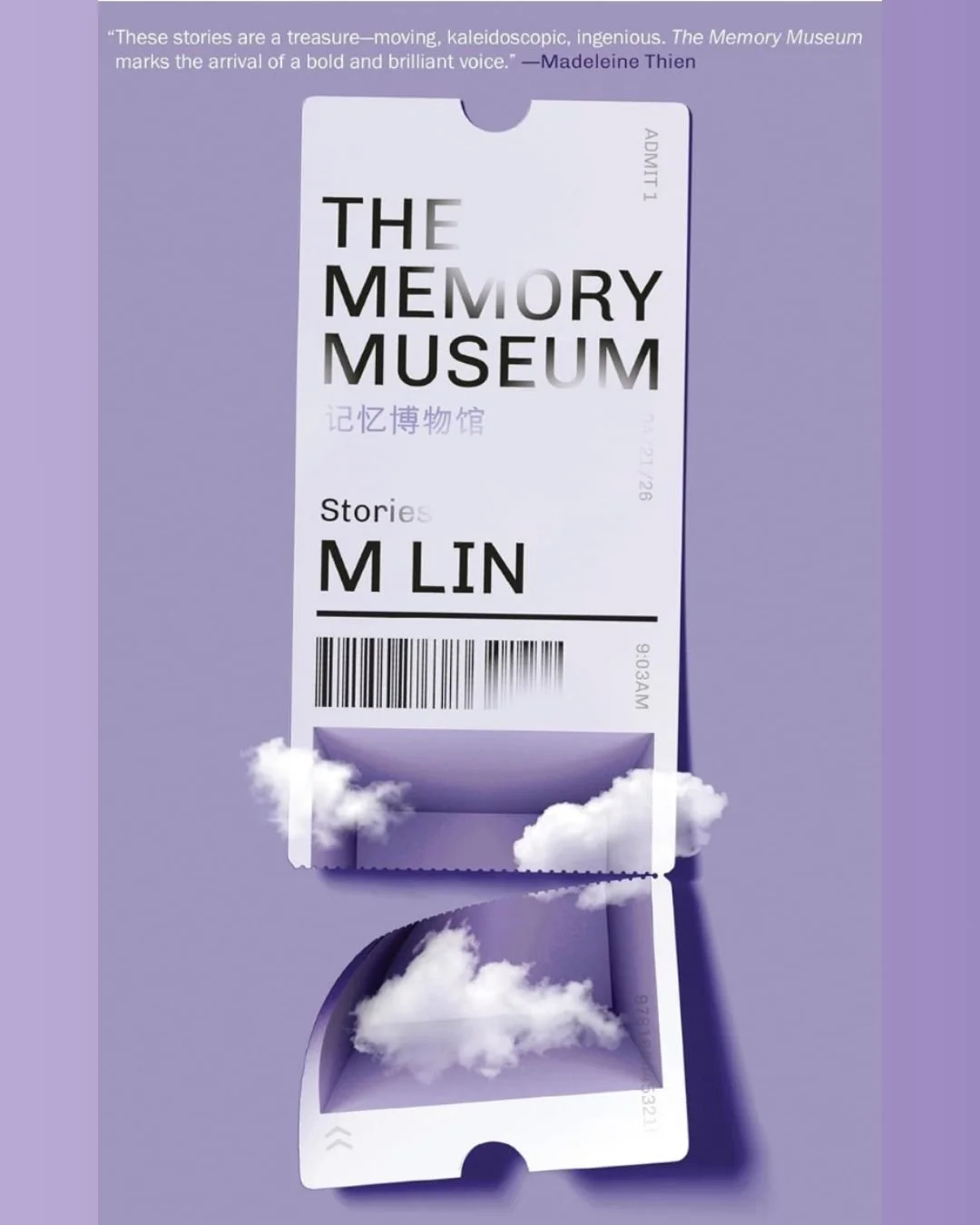
The Memory Museum: Stories
I saw this one on Instagram when it was first coming out and figured I'd get to it eventually. Then I started chatting with the author, we were in Chicago at the same time and honestly we had the same camera roll. That's what actually bumped this debut collection up my list.