
My Asian Era
A curated journey through Asian literature
Thoughtful Reviews. Quiet Stories. Literary Depth.
For the past two years, I’ve been reading, reviewing, and steadily building a curated archive of books by Asian authors, mostly translated fiction, contemporary literature, and underrepresented voices that often get missed by mainstream reading lists.
What started as a personal reading habit has evolved into a full platform: a growing collection of spoiler-free reviews, thematic roundups, and quiet reflections meant to help more readers discover the emotional and cultural depth of Asian literature.
You’ll find:
Honest reviews from across Asia: Korean, Japanese, Southeast Asian, South Asian, Chinese, and Asian authors writing from around the world
Mini features for short books and chapbooks
Book club picks with community conversation prompts
Emotional clarity over academic critique
A calm space to discover books that you may have missed otherwise
This is a living archive, part ongoing project, part reflective journal.
I’m in the process of centralizing older reviews and continuing to explore both contemporary releases and classic titles from across the region.
If you're tired of the same dozen titles getting recycled across book feeds, you're in the right place.
Welcome.
P.S. If you're looking to read along, I host a quiet book club through Fable. It's casual, thoughtful, and open to anyone curious about Asian literature.
Search Titles, Authors, Keywords, Themes
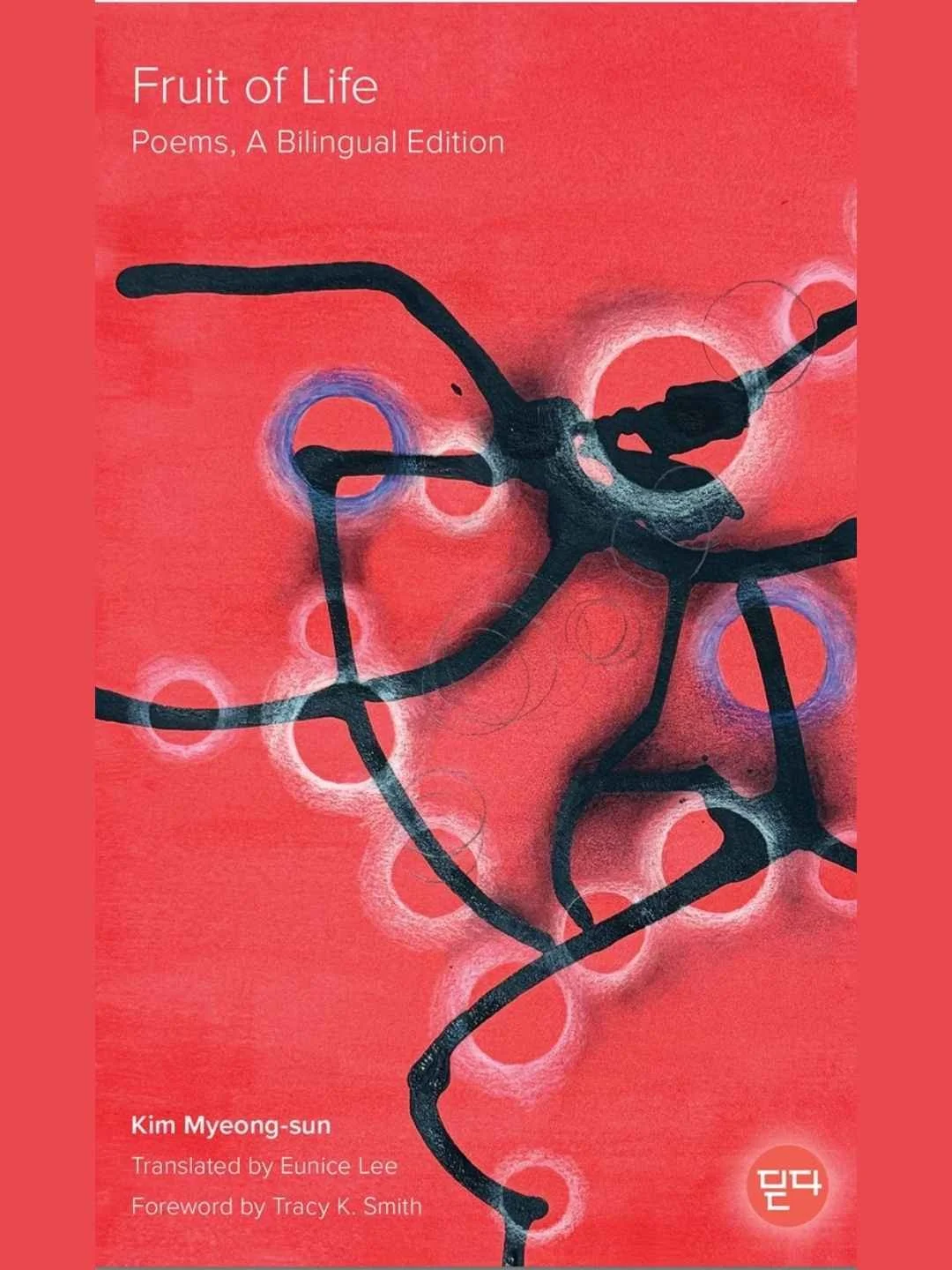
Fruit of Life
I expected Kim Myeong-sun's poetry to feel distant after more than a century. Instead, Fruit of Life, translated by Eunice Lee, felt remarkably immediate, filled with longing, loneliness, love, grief and a voice I could hear clearly.
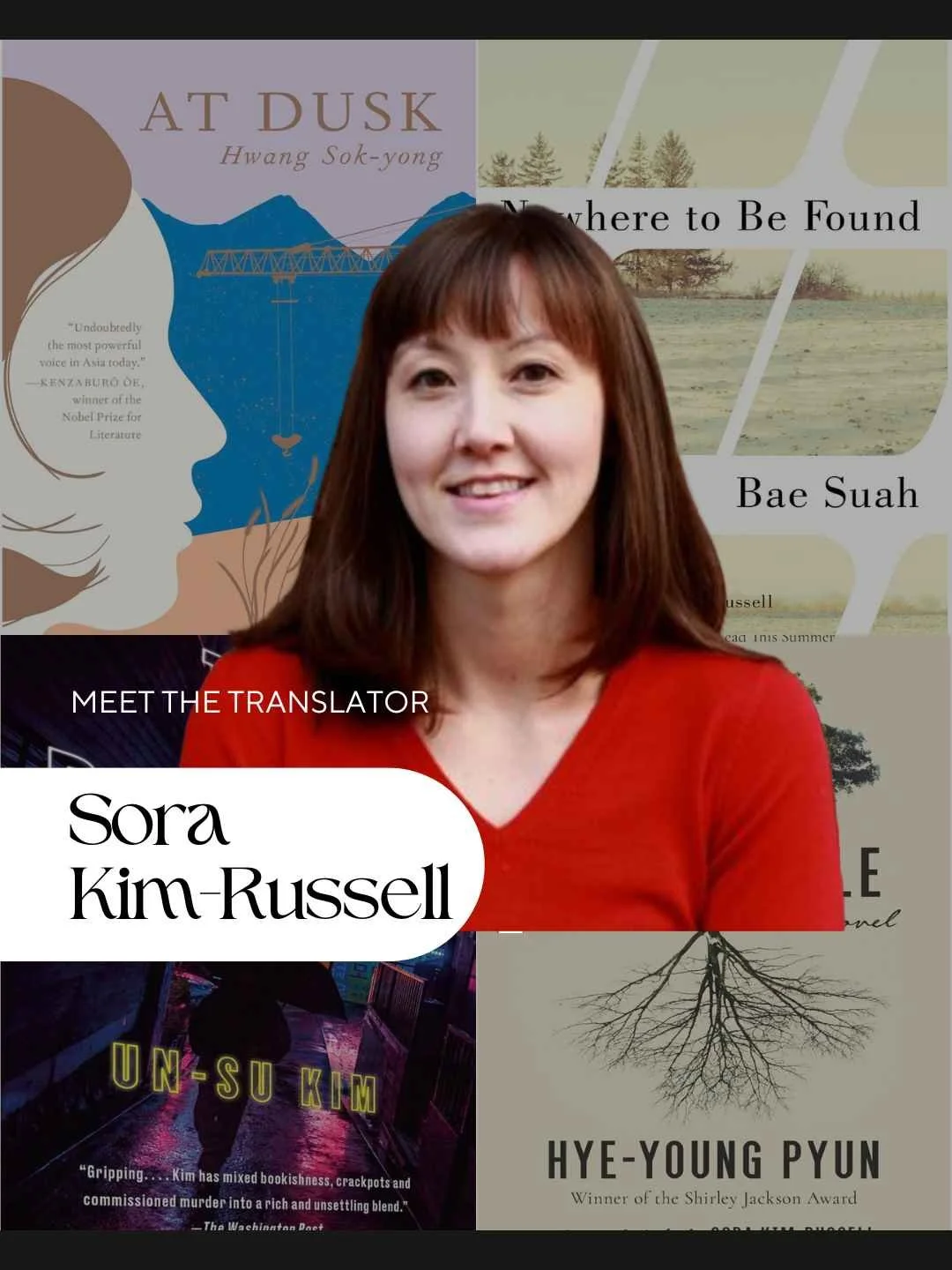
Meet the Translator: Sora Kim-Russell
I had read Sora Kim-Russell’s name many times without realizing how much of her work was already on my shelves. For Women in Translation Month, we talked about working with authors, the creative decisions behind translation, invisible care work, editing, and what translation has meant for her own writing.
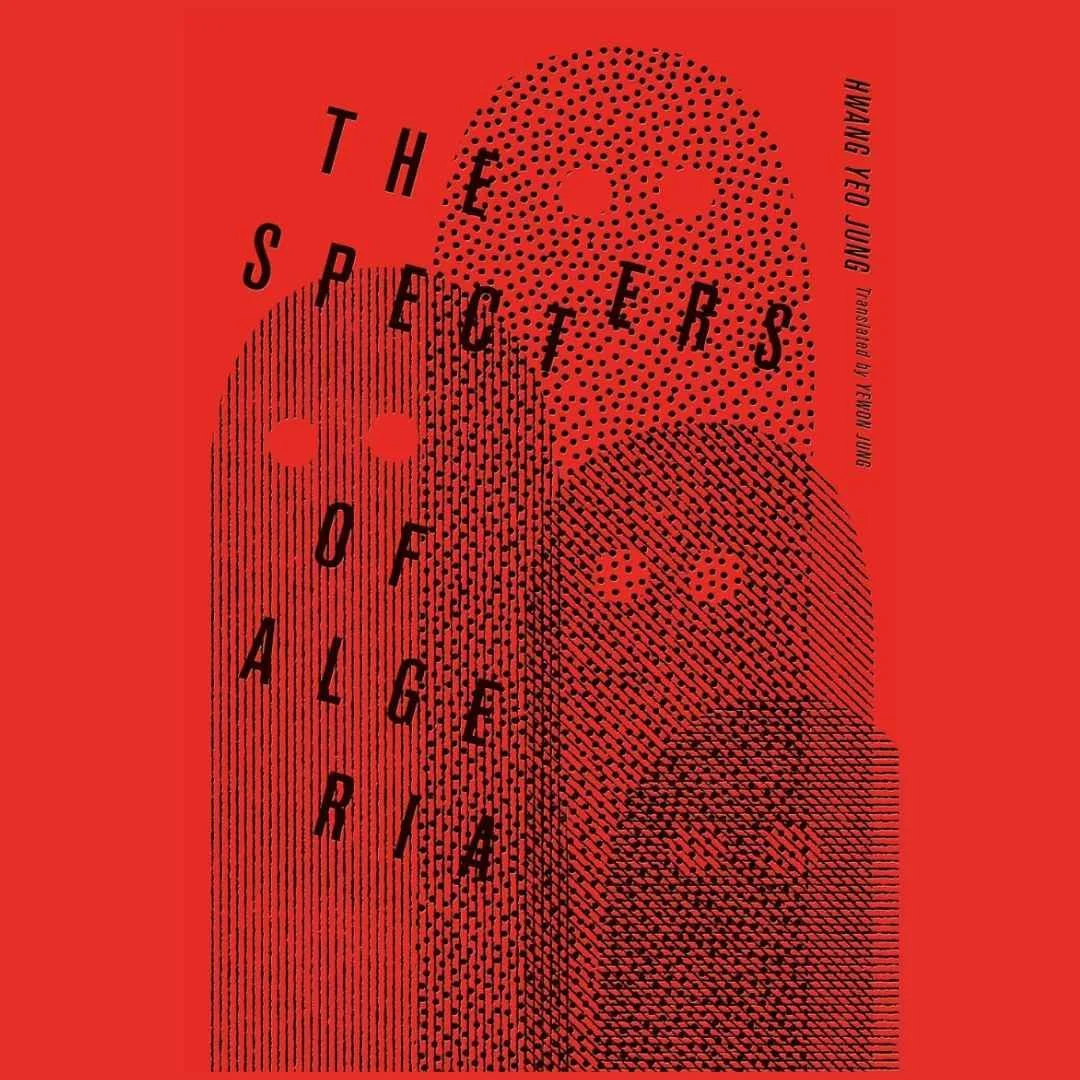
The Specters of Algeria Review
A recommendation put The Specters of Algeria on my TBR. When it appeared again during Women in Translation Month, I took the hint. Hwang Yeo Jung’s novel starts small and gradually opens into something much stranger.
Mothersucker Review
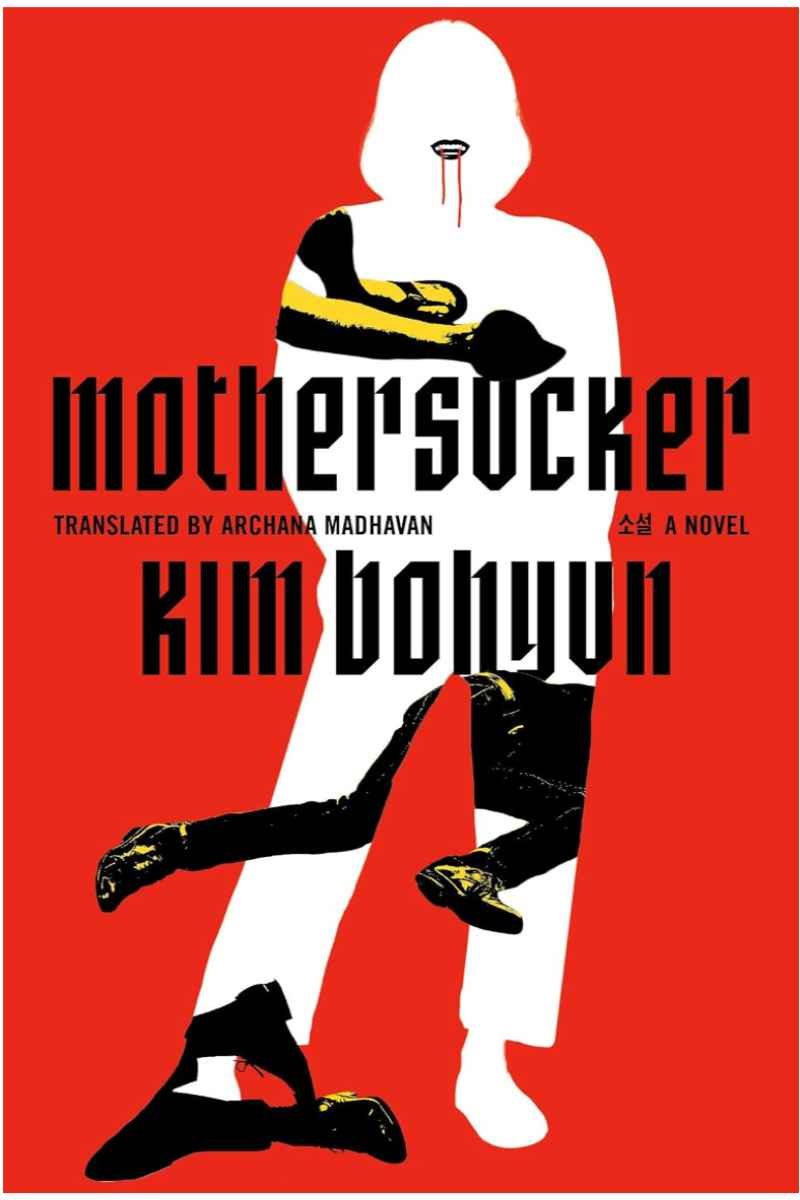
I went into Mothersucker expecting dark vampire horror. What surprised me was how much of the real horror came from the violence women live with, and how satisfying it was to watch someone finally make sure there were consequences.
Meet the Translator: Shanna Tan
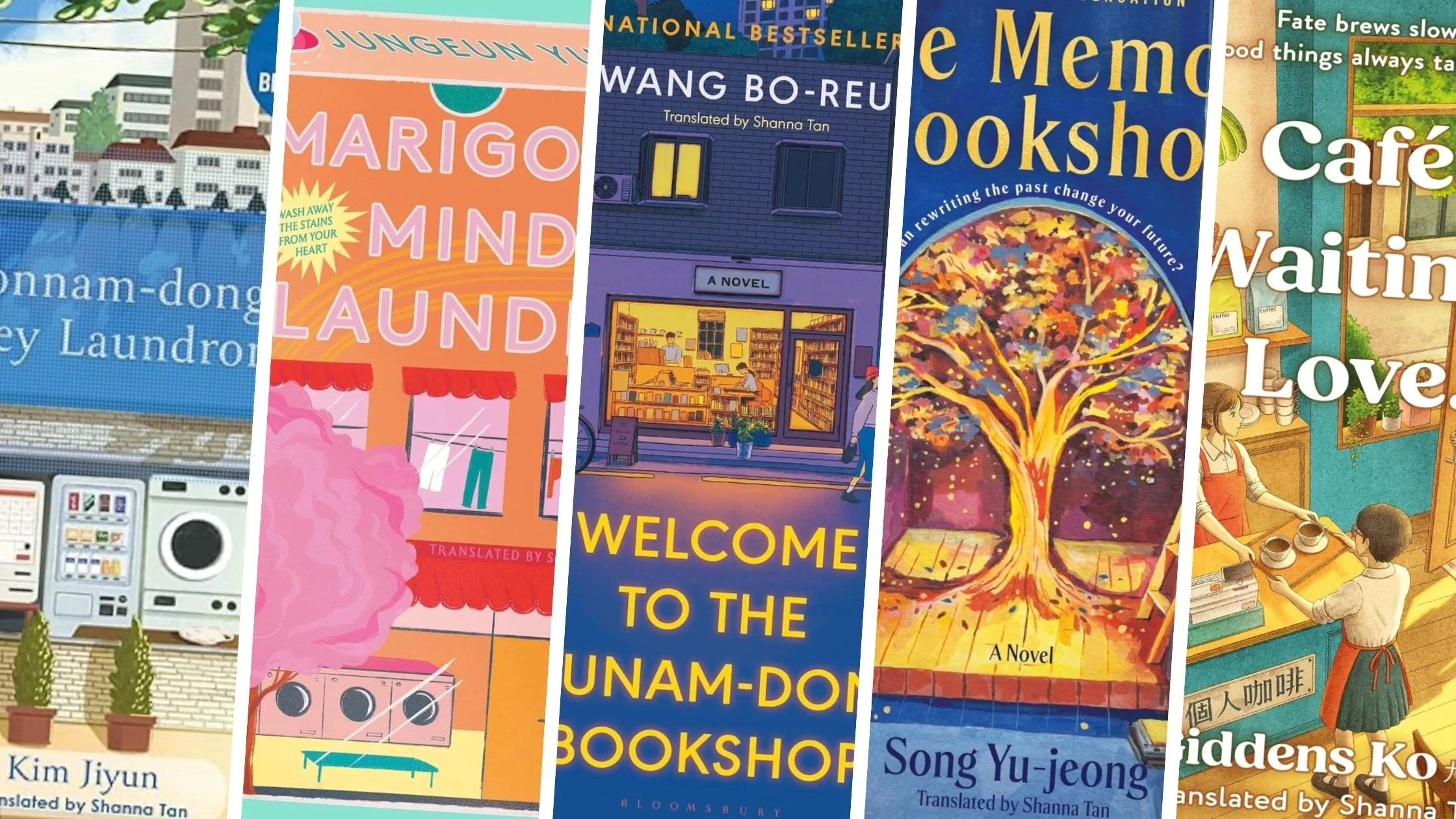
I first noticed Shanna Tan because of how enthusiastically she champions the books she translates. Then I looked at my shelves and realized just how many of her translations I had already read. For Women in Translation Month, I asked Shanna about working with authors, creative freedom, translator credit and the work behind the books.
Grass
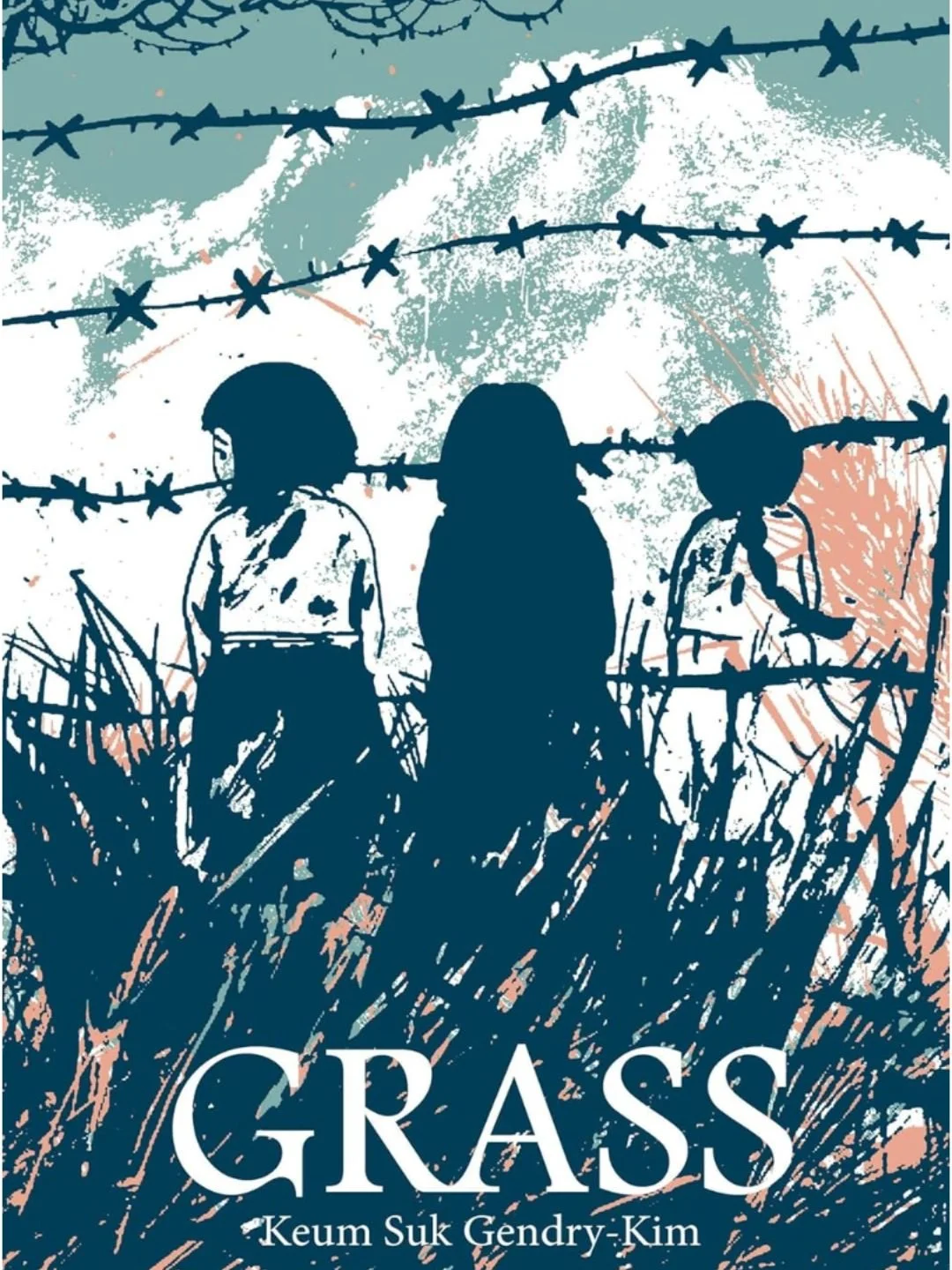
I don't read a lot of manhwa or manga, but Grass by Keum Suk Gendry-Kim is the story of comfort woman survivor Lee Ok-seon, told in stark black-and-white art that carries the full weight of her history. A review, a look at who Lee Ok-seon was, and a list of more books to read on this history, in time for August 14th's International Memorial Day for Comfort Women.
Where to Start with Asian Women in Translation: 12 Books Written and Translated by Women
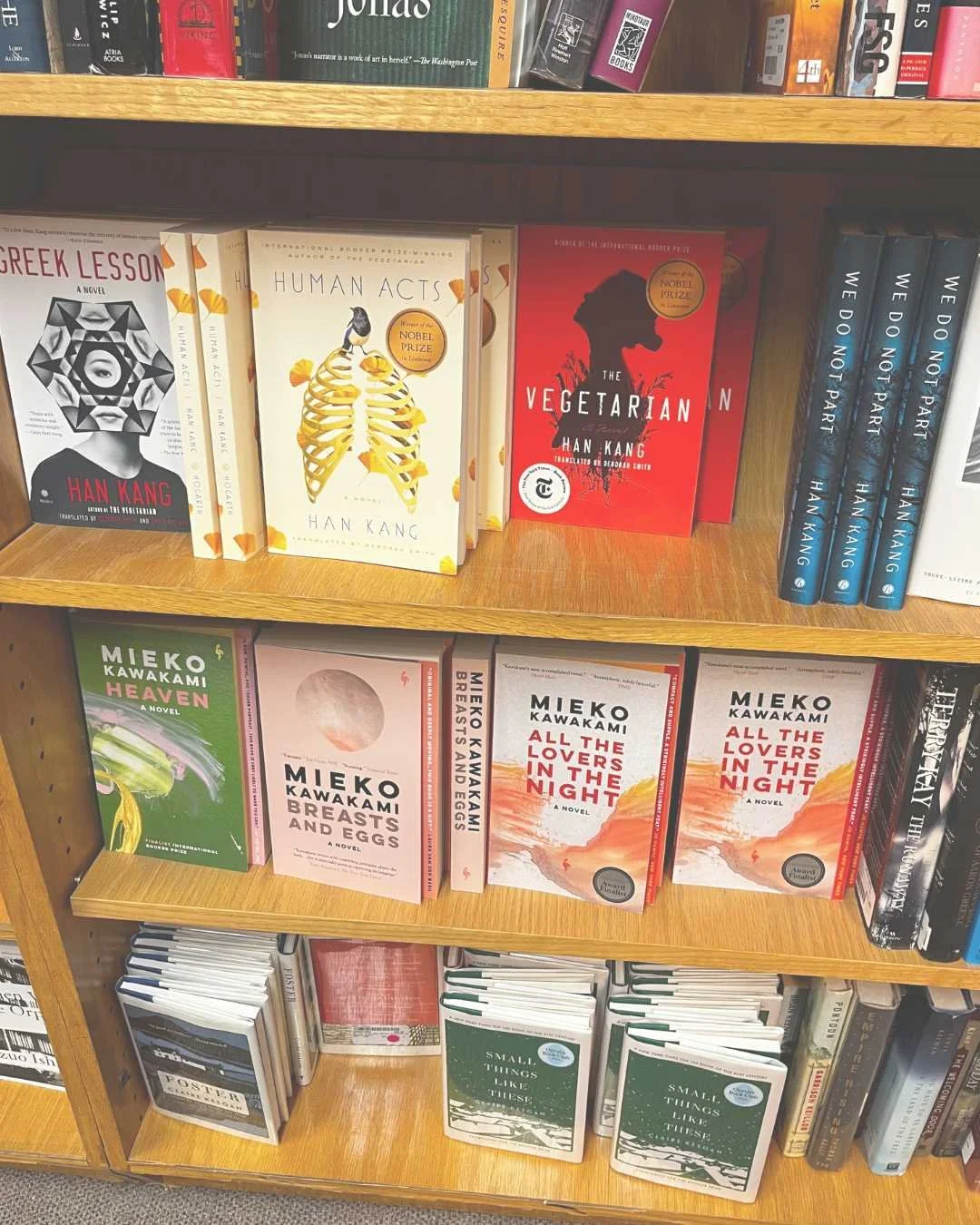
Not sure where to begin with Asian women in translation? These 12 books, all written and translated by women, are organized by reading mood, from quiet and healing fiction to history, psychological suspense and speculative horror.
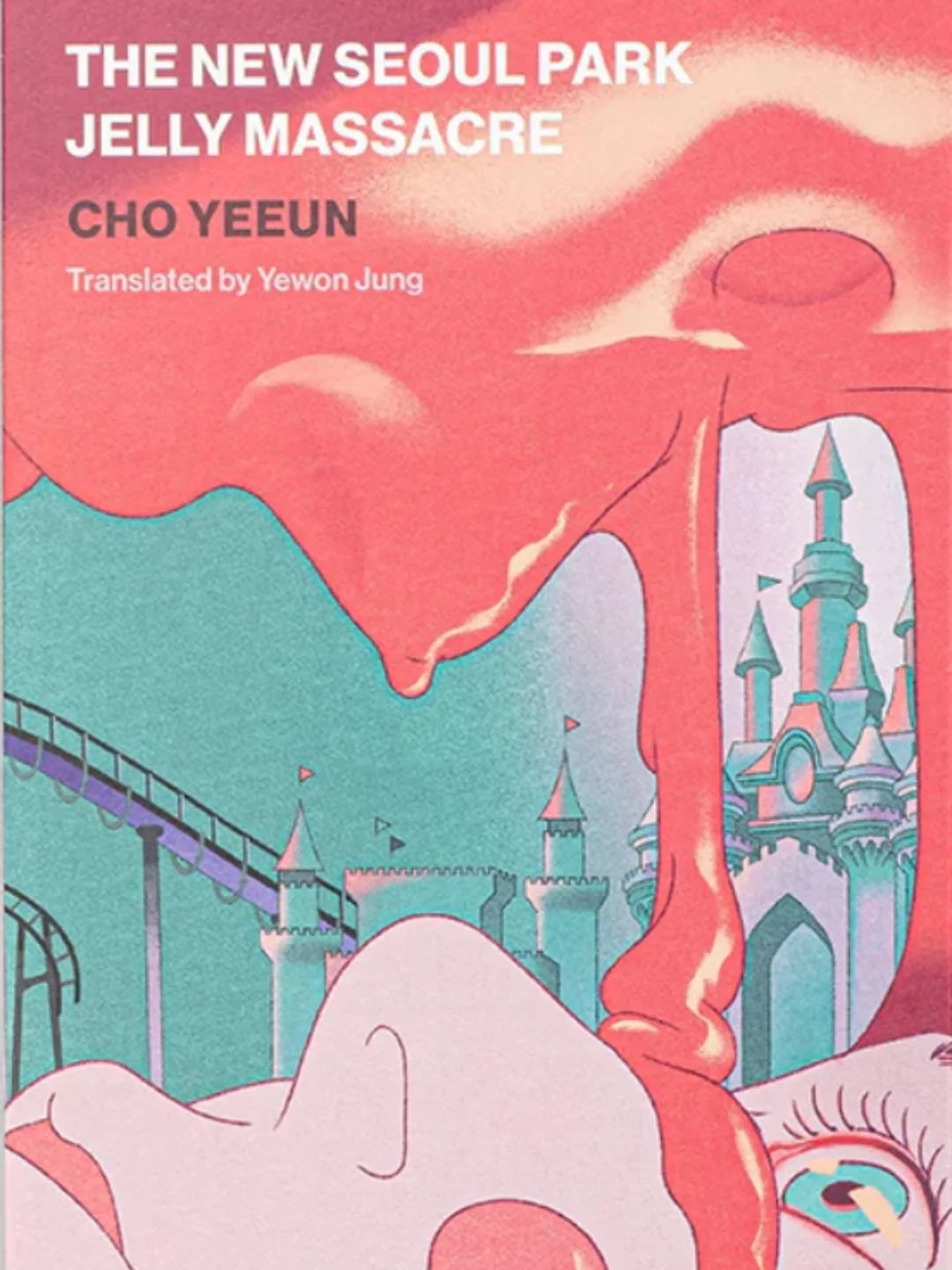
The New Seoul Park Jelly Massacre
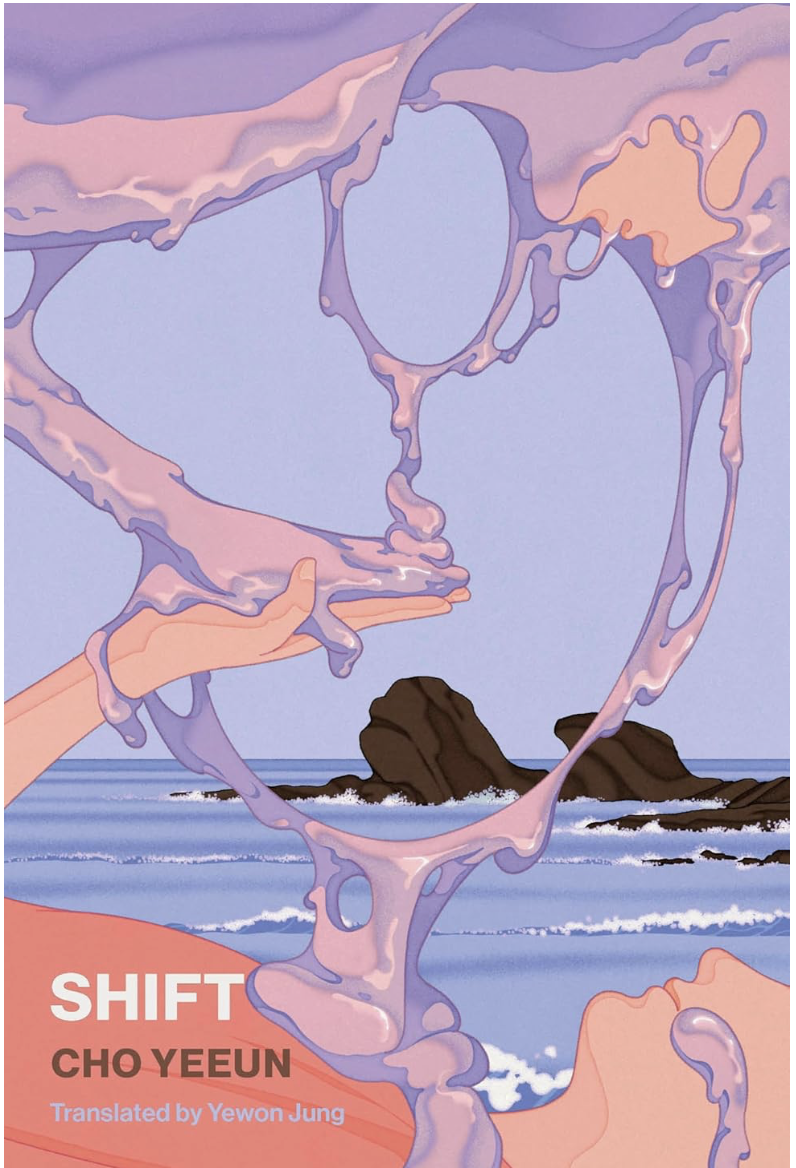
This is going to be a wild ride." That's what I told myself before I was even a full chapter into The New Seoul Park Jelly Massacre by Cho Yeeun, translated by Yewon Jung. At New Seoul Park, a stranger hands out jelly candy that promises an unbreakable bond with the people you love, and that premise alone should tell you this isn't going where it looks like it's going.
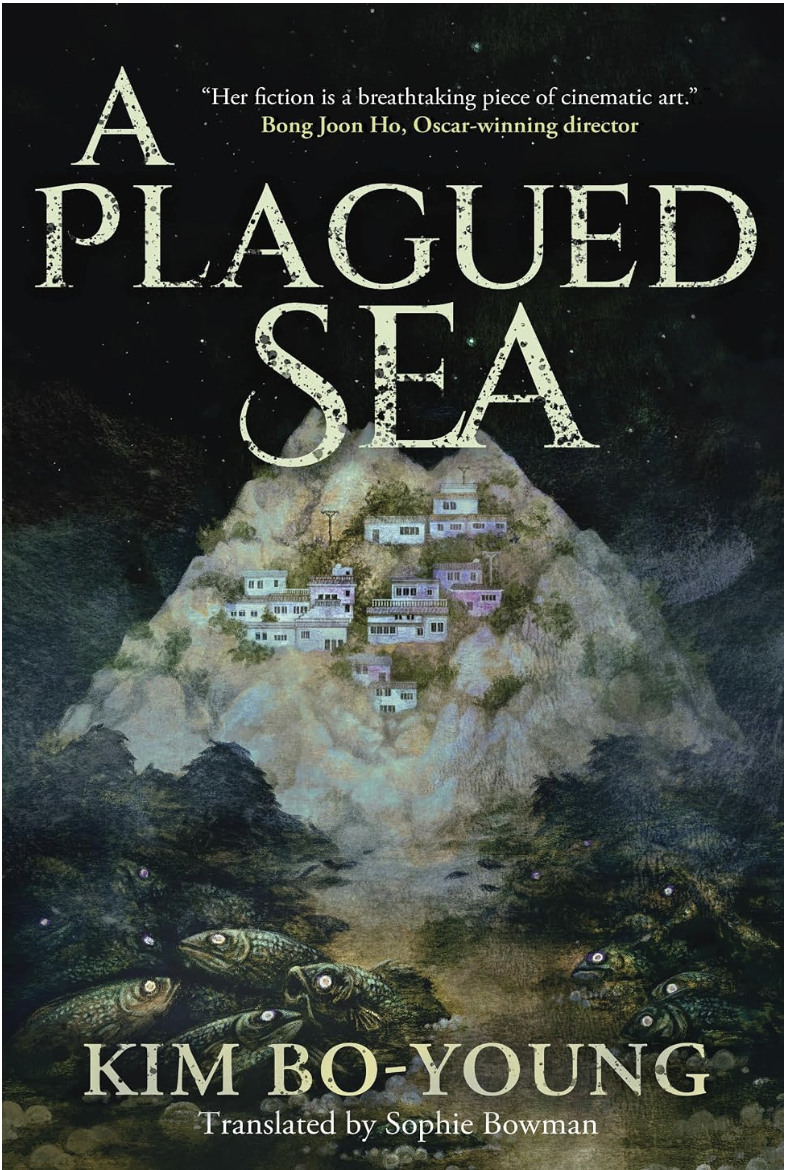
A Plagued Sea
Kim Bo-Young reimagines "The Shadow Over Innsmouth" in a quarantined Korean seaside village. Horror, yes, but also very sad on so many levels.
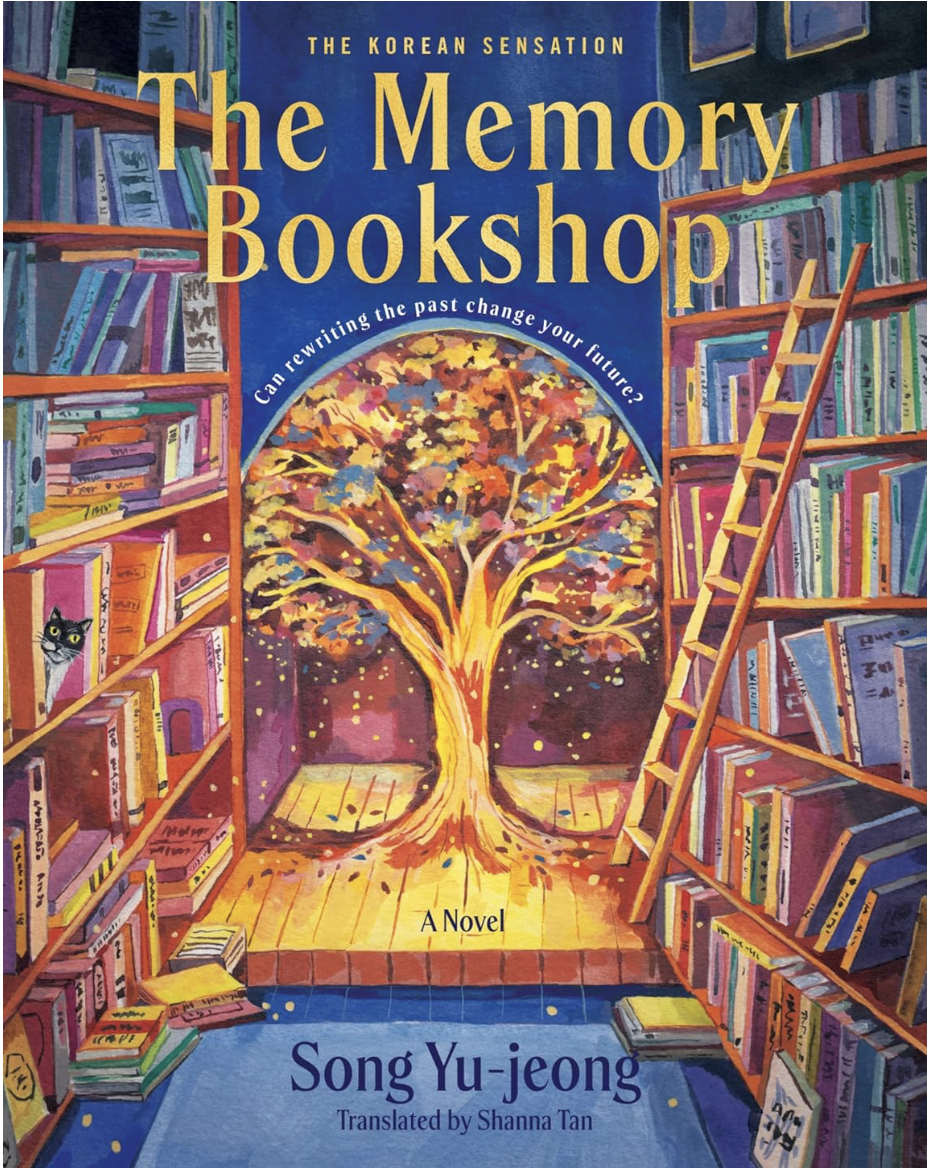
The Memory Bookshop
The cover and the comps promise cozy. A woman seven years into depression, deciding whether she wants to be alive, is something else. My honest take on Song Yu-jeong's The Memory Bookshop, translated by Shanna Tan.
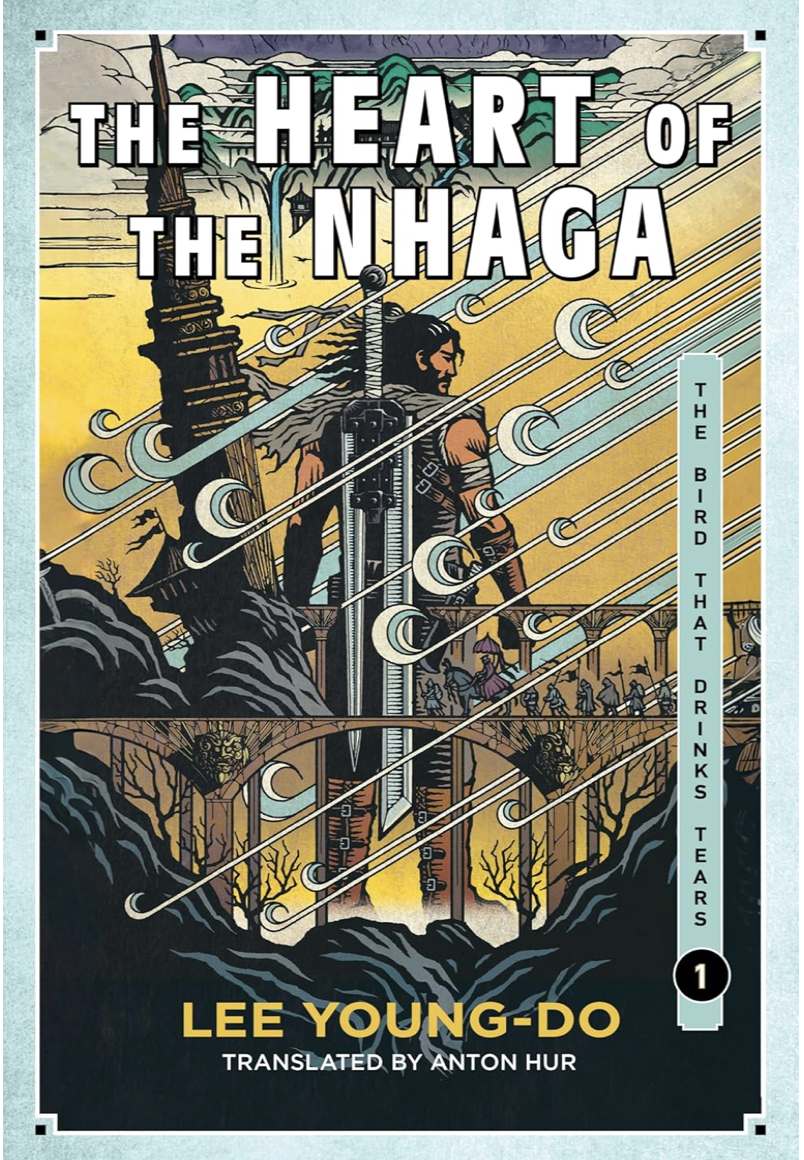
The Heart of the Nhaga
I first found this book in an Italian bookstore years before it existed in English. I tried the Italian. The fantasy vocabulary defeated me. I waited. This is that translation.
Winter Night Rabbit Worries
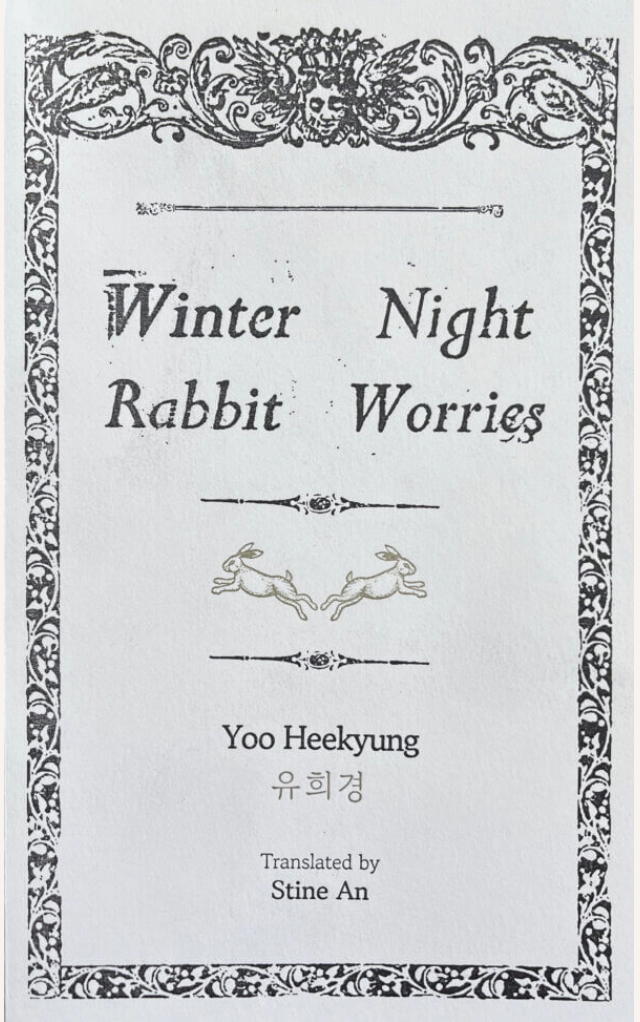
Winter Night Rabbit Worries begins with a rabbit that may not be a rabbit. Yoo Heekyung has written a book that asks you to read the same way. Stay with the uncertainty. Because what matters most, is that you stay.
Mrs. Shim Is a Killer
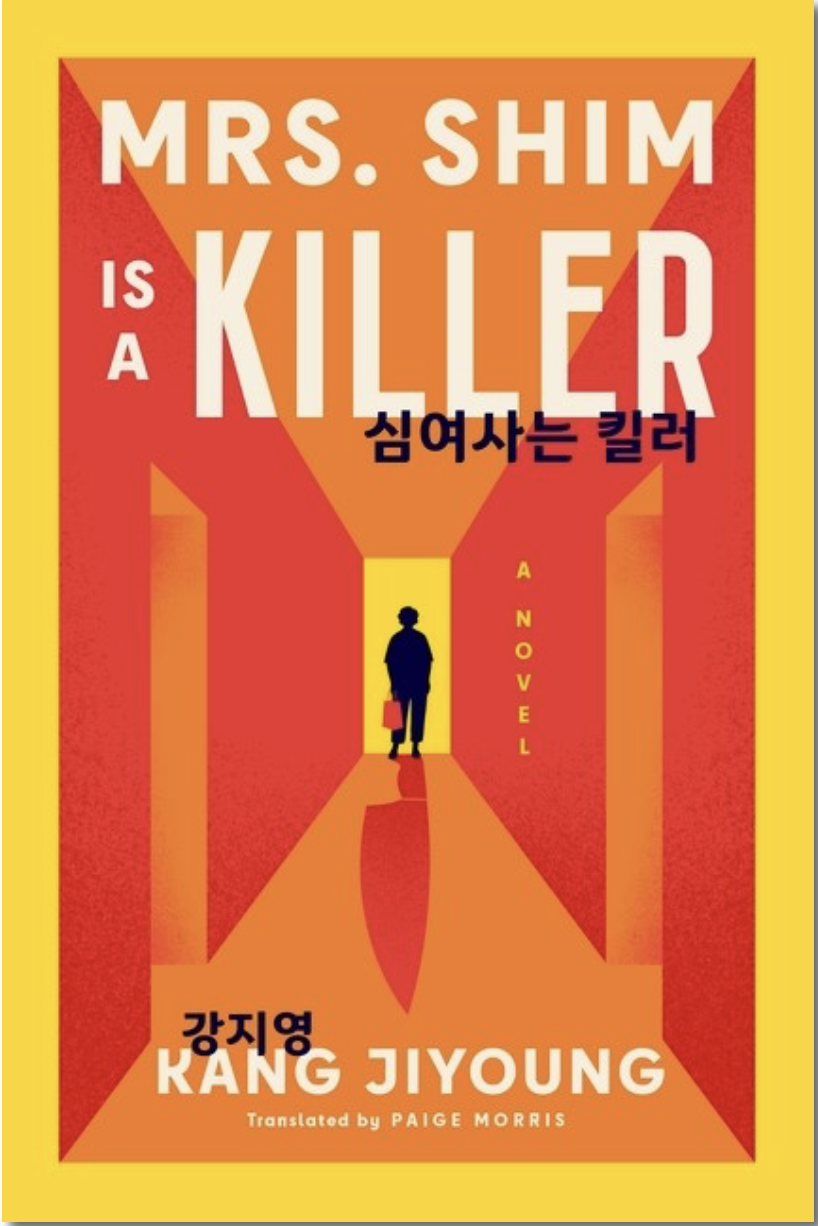
A darkly comic Korean thriller about an ajumma who discovers her years at the butcher shop have prepared her for a very different kind of work. Strange, funny, and a little more pointed than it looks.
Light and Thread
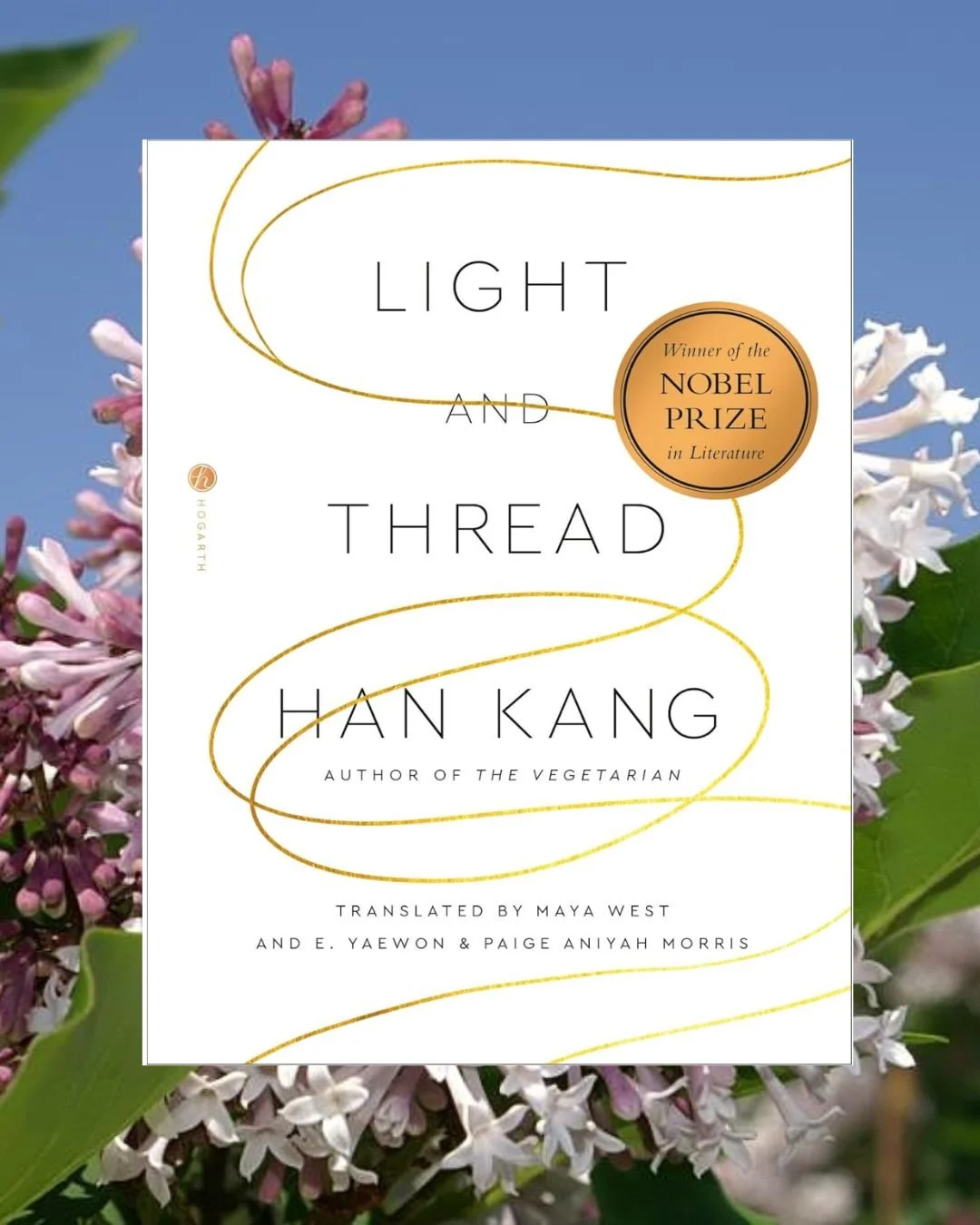
When Han Kang accepted the Nobel Prize in Literature in December 2024, becoming the first Korean writer and the first Asian woman to receive it, she named her lecture Light and Thread. Such a humble title for the biggest moment of a writer's career. Something small and quiet, true to who she is.
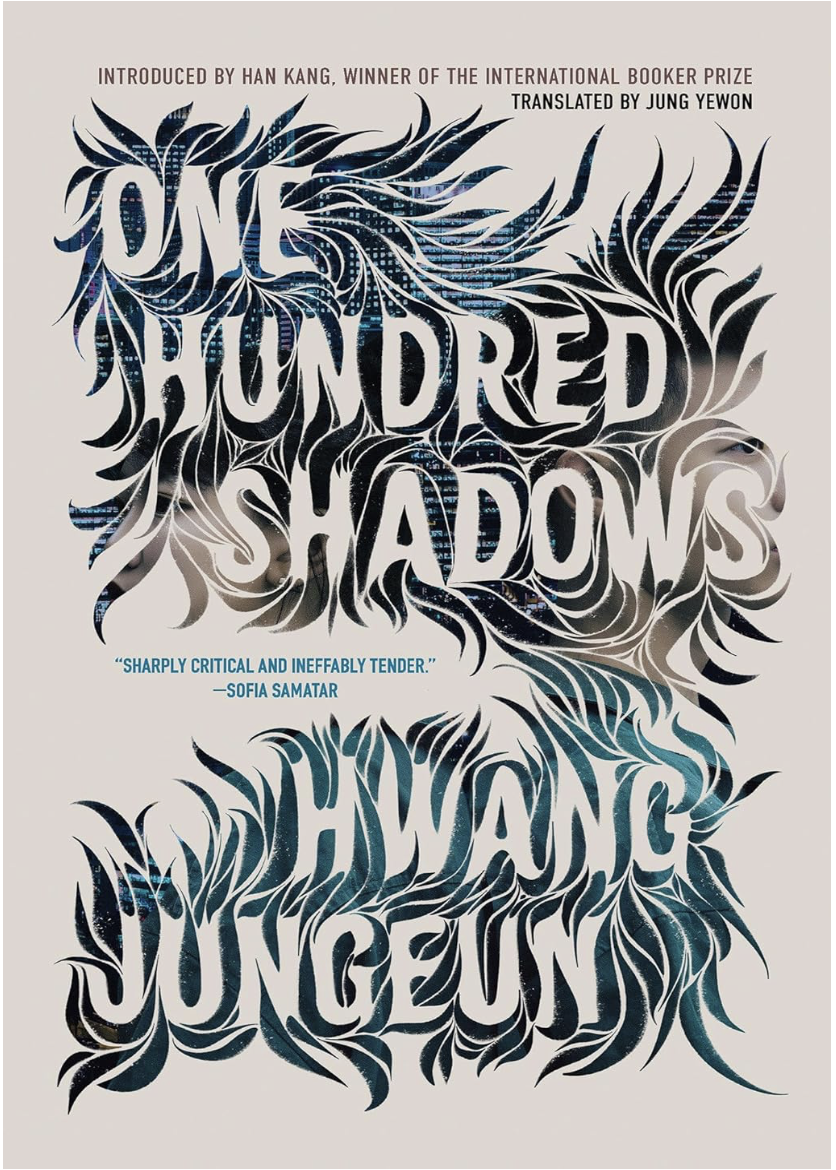
One Hundred Shadows
In the heart of Seoul, in an aging electronics market the city has decided it no longer needs, two young people are learning to pay attention to each other. And the shadows have started to rise.
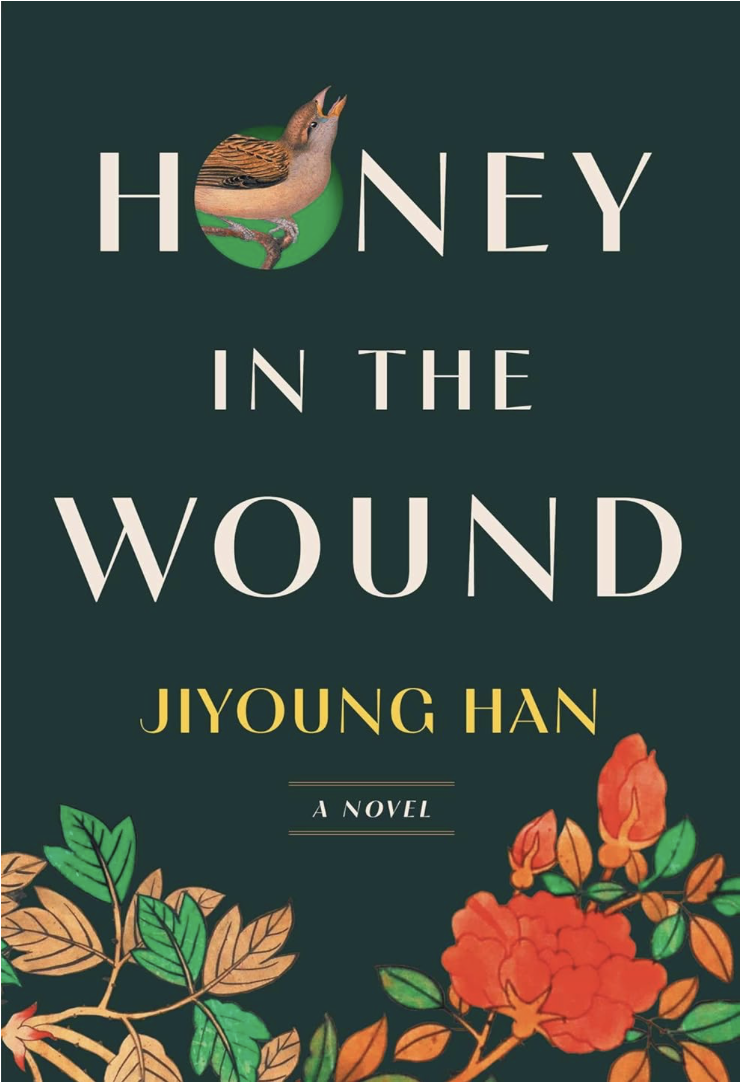
HONEY IN THE WOUND
Jiyoung Han's debut novel follows several generations of one Korean family across the twentieth century, from the mountain villages of 1902 all the way to modern Seoul and Tokyo. The women of this family carry gifts that are magical. A sister transforms into a tiger to protect her family. A mother's voice compels anyone around her to speak the truth. A granddaughter sees into the dreams of those she loves. And at the center of it all, Young-Ja, who cooks her emotions into everything she makes. This is historical fiction that refuses to let history stay abstract, and it is one of the most powerful debut novels I have read in a long time
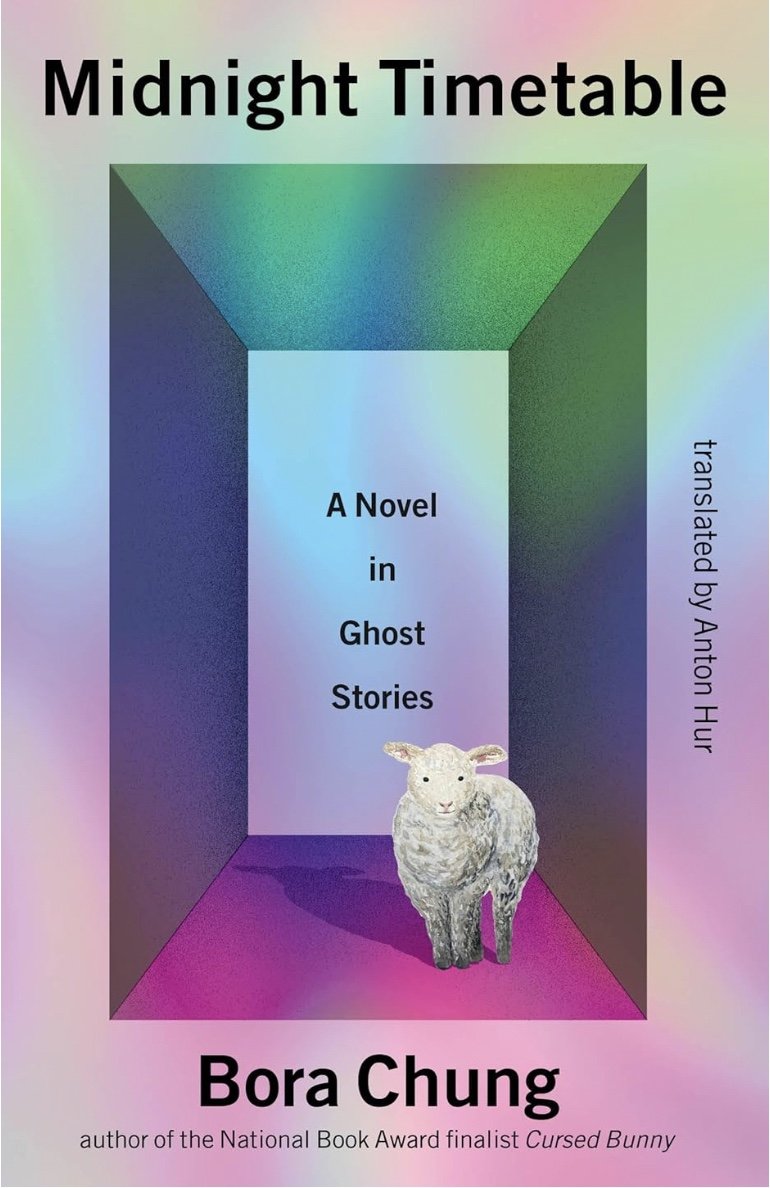
Midnight Timetable
There is a research facility called the Institute. It houses cursed objects, a ghost cat, sheep that were experimented on and can now see the future, and a never-ending tunnel that some employees find and never quite escape. Of course there is an Institute. Of course someone has to work the night shift.
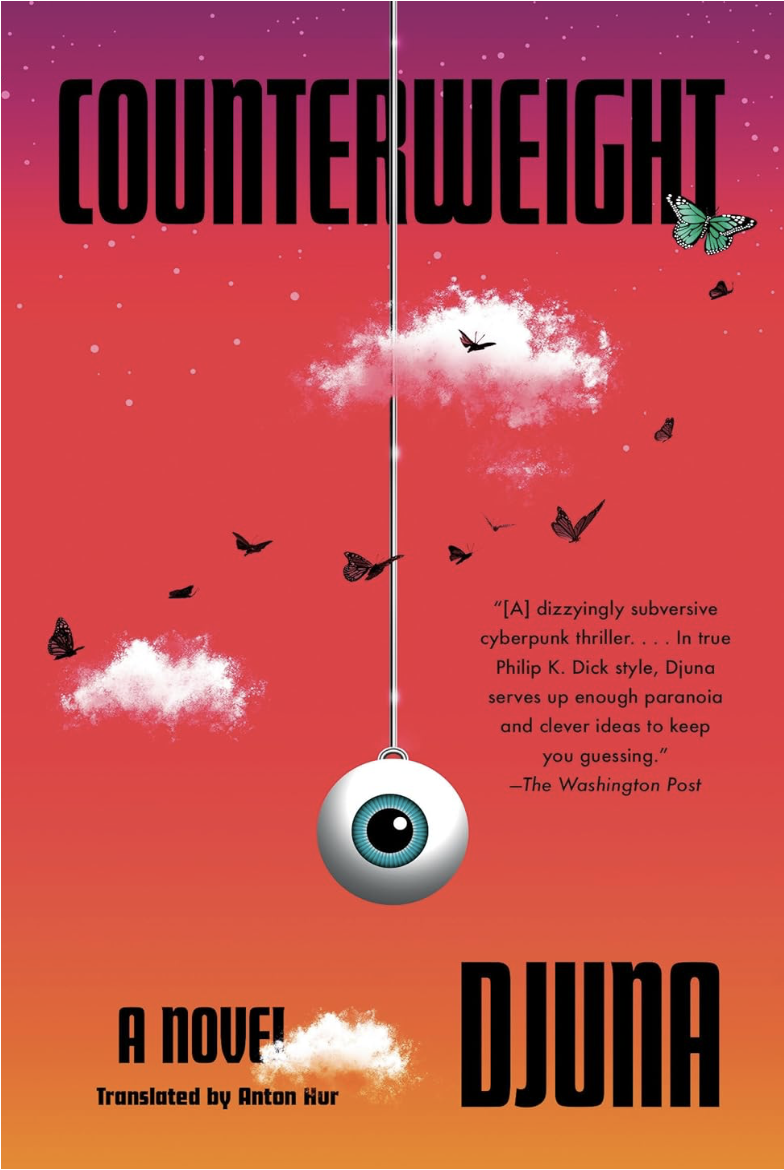
Counterweight
The premise is genuinely inventive and Djuna builds a world that feels layered and alive. Neuro-implants called Worms, fake identities stacked inside fake identities, a corporation behaving exactly the way you would expect one to behave if no one was watching. The pacing is relentless. This book moves.