
My Asian Era
A curated journey through Asian literature
Thoughtful Reviews. Quiet Stories. Literary Depth.
For the past two years, I’ve been reading, reviewing, and steadily building a curated archive of books by Asian authors, mostly translated fiction, contemporary literature, and underrepresented voices that often get missed by mainstream reading lists.
What started as a personal reading habit has evolved into a full platform: a growing collection of spoiler-free reviews, thematic roundups, and quiet reflections meant to help more readers discover the emotional and cultural depth of Asian literature.
You’ll find:
Honest reviews from across Asia: Korean, Japanese, Southeast Asian, South Asian, Chinese, and Asian authors writing from around the world
Mini features for short books and chapbooks
Book club picks with community conversation prompts
Emotional clarity over academic critique
A calm space to discover books that you may have missed otherwise
This is a living archive, part ongoing project, part reflective journal.
I’m in the process of centralizing older reviews and continuing to explore both contemporary releases and classic titles from across the region.
If you're tired of the same dozen titles getting recycled across book feeds, you're in the right place.
Welcome.
P.S. If you're looking to read along, I host a quiet book club through Fable. It's casual, thoughtful, and open to anyone curious about Asian literature.
Search Titles, Authors, Keywords, Themes
Messenger Cat Café
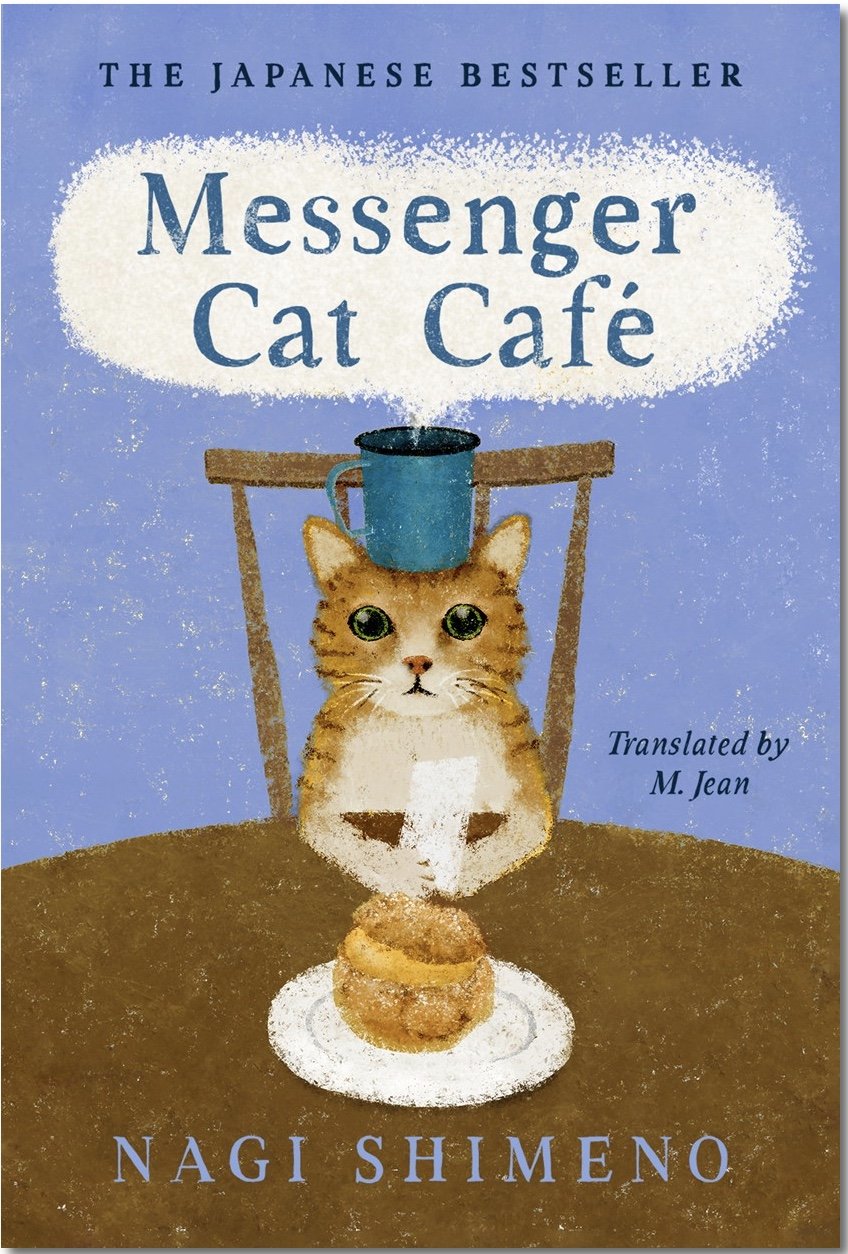
A gentle Japanese healing novel set in an in-between café, where a messenger cat delivers “souls” between the living and the dead. Familiar in structure, but sincere, with one chapter that hit me more personally than I expected.
At Dusk
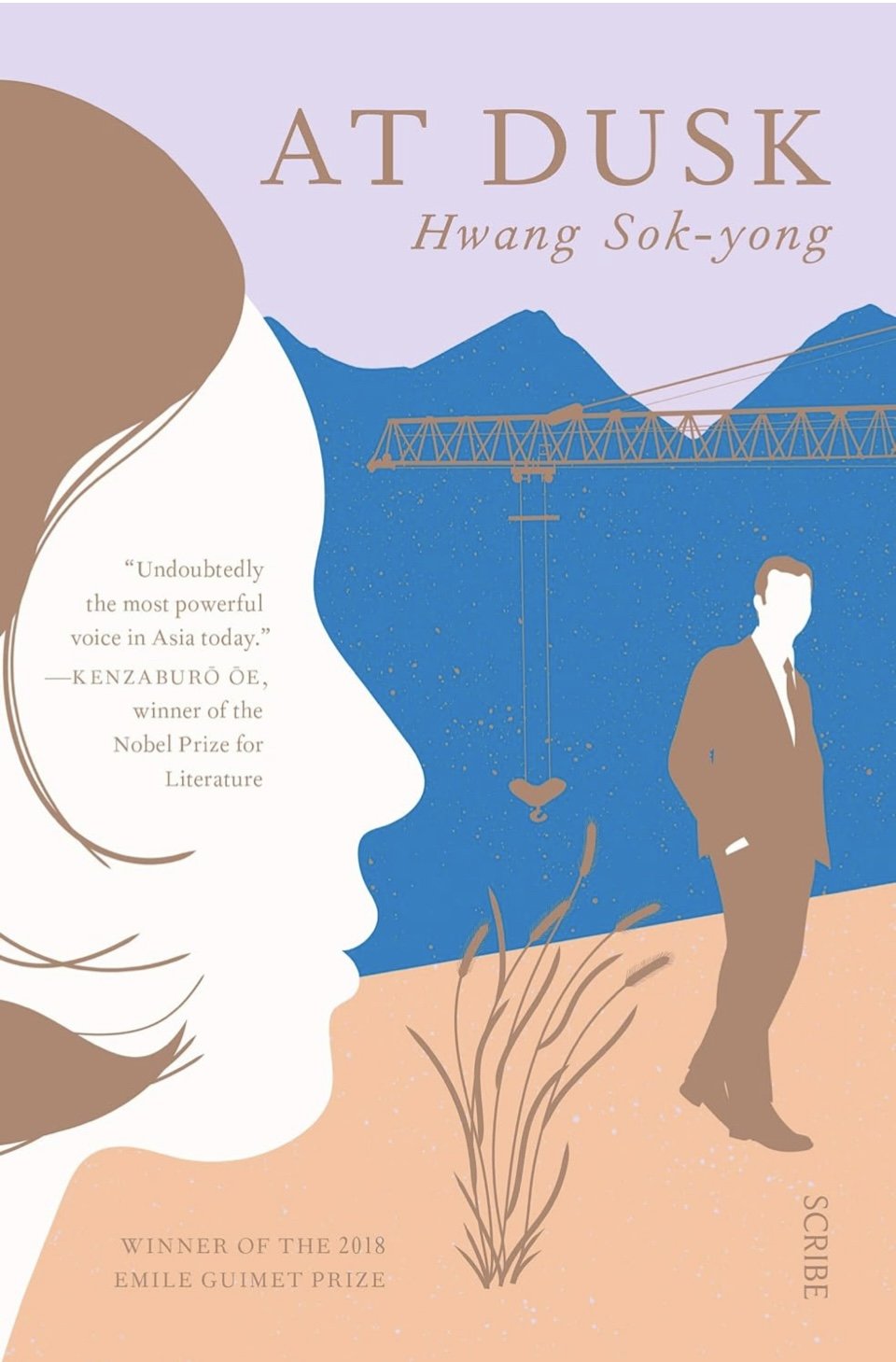
At Dusk follows one man’s life while moving quietly through modern Korean history. As Park Minwoo reflects on his past, the novel traces postwar development, political change, and economic growth without ever turning them into spectacle.
This is a layered, carefully constructed book that trusts the reader. History remains in the background, shaping the characters without overt explanation. It’s a novel that asks for patience and rewards close attention.
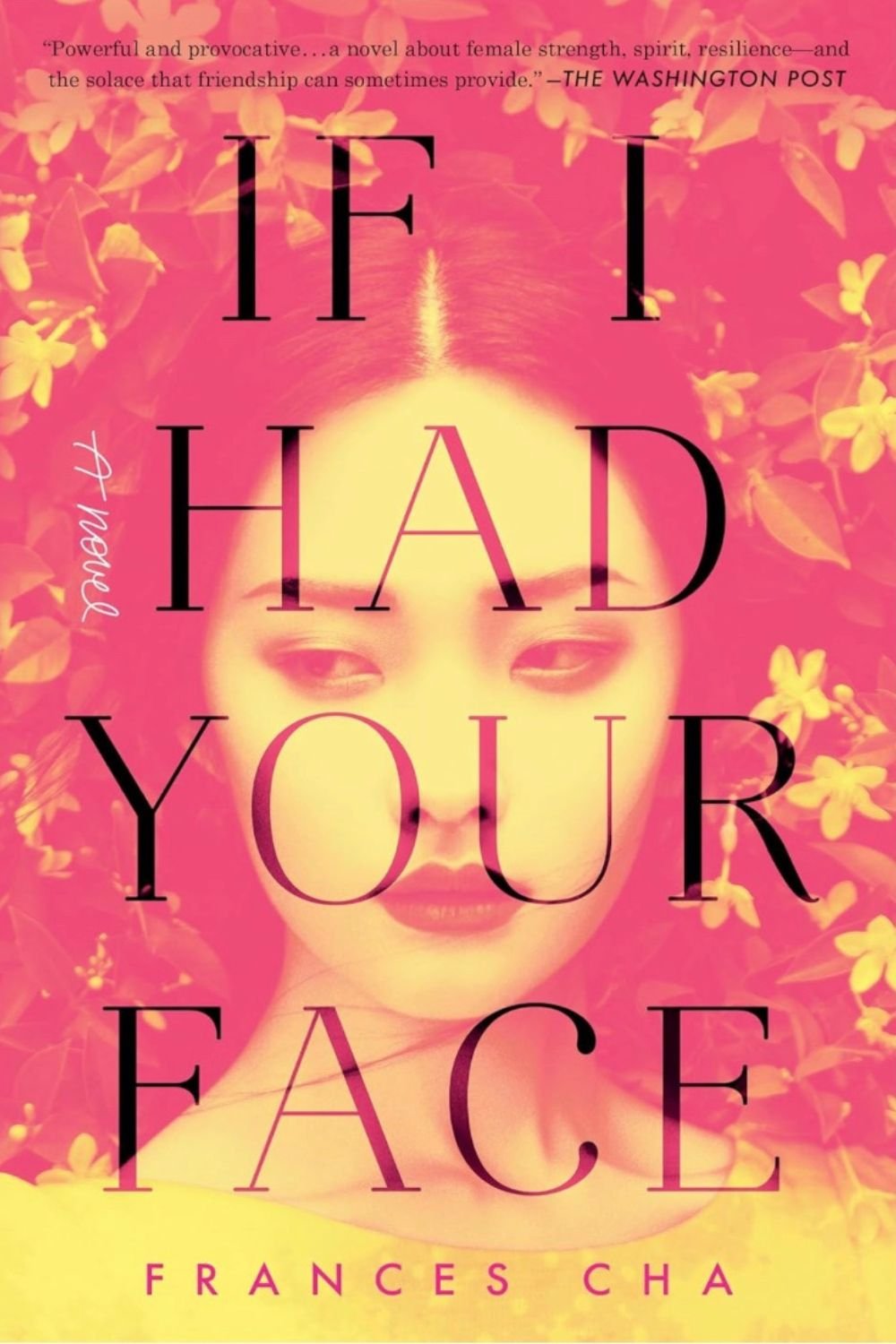
If I Had Your Face
If I Had Your Face follows four young women living in Seoul, each navigating life under the weight of Korea’s beauty standards, economic pressure, and limited choices. Their paths are different, but they intersect through shared spaces and shared constraints.
This is not a light read. The book looks closely at how beauty functions as a kind of currency and how survival sometimes requires choices that feel impossible from the outside. It’s raw in places and often bleak, but it remains true to its characters. For me, it was worth sitting with.
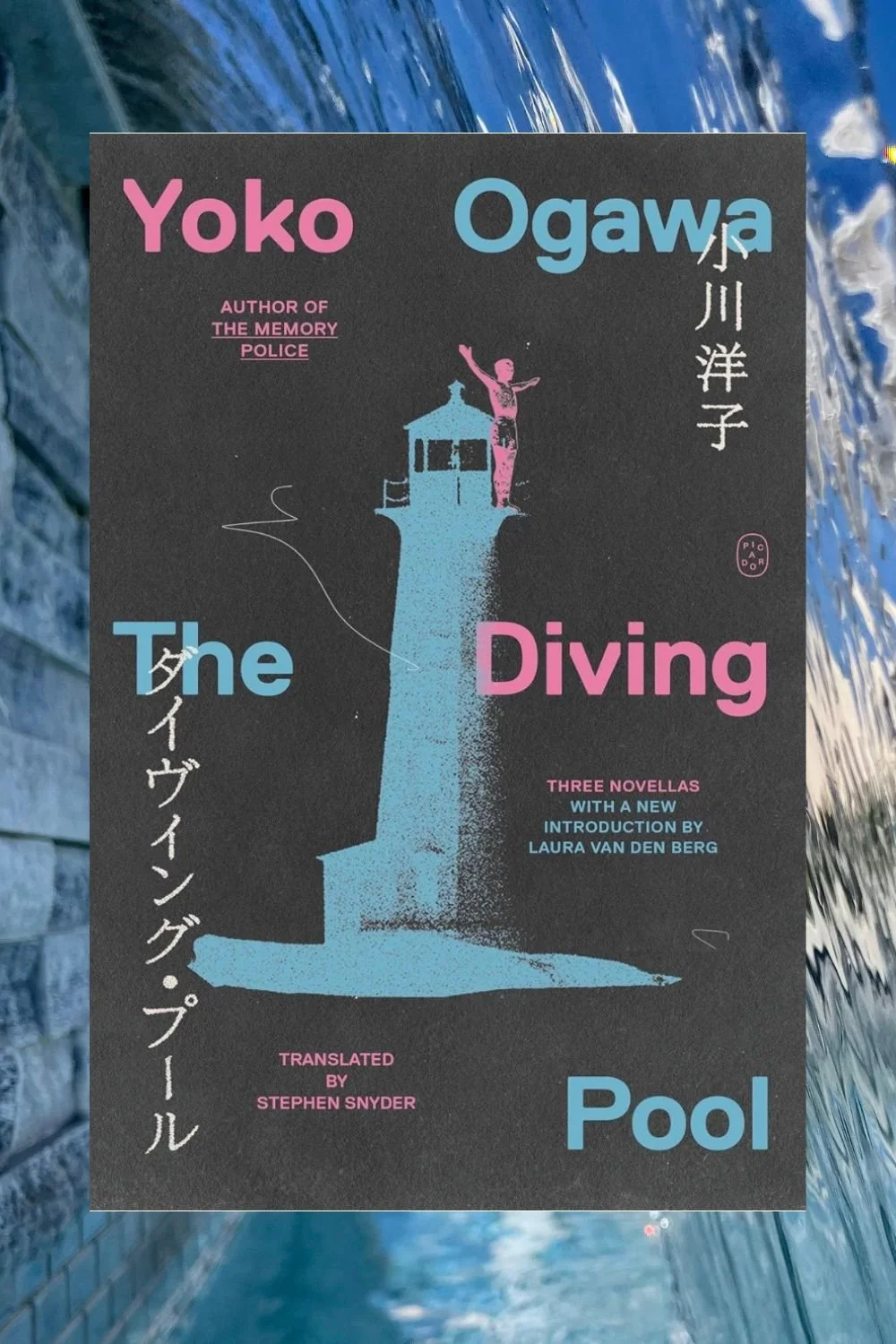
The Diving Pool
Three unsettling novellas about obsession, cruelty, and the danger hiding inside ordinary life. Ogawa’s writing is beautiful, which somehow makes the stories even more disturbing.
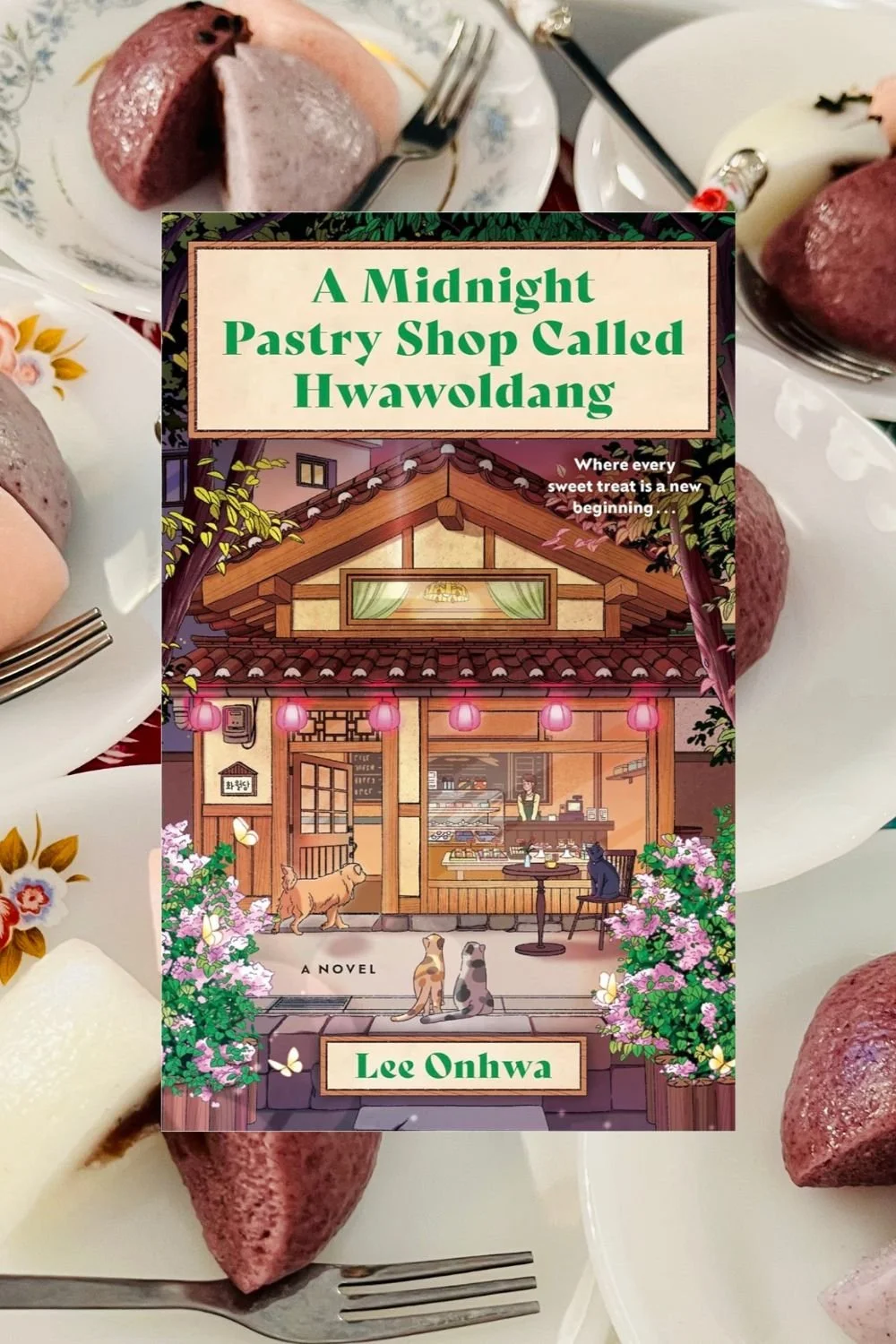
A Midnight Pastry Shop Called Hwawoldang
Cover of A Midnight Pastry Shop Called Hwawoldang, a cozy Korean magical realism novel about a midnight bakery for spirits seeking closure.
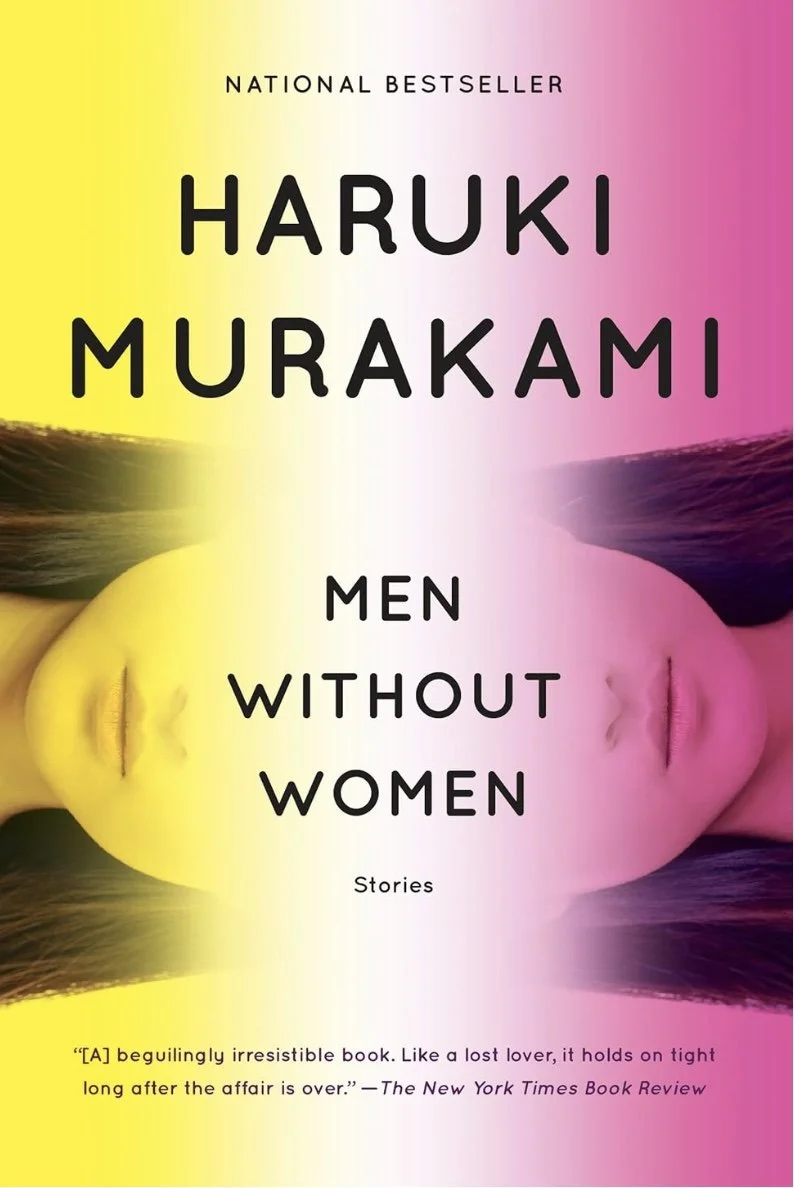
Men Without Women
Murakami’s Men Without Women explores loneliness, longing, and the private worlds men build when love slips away. A soft, surprising, and deeply human collection that shows Murakami at his most vulnerable.
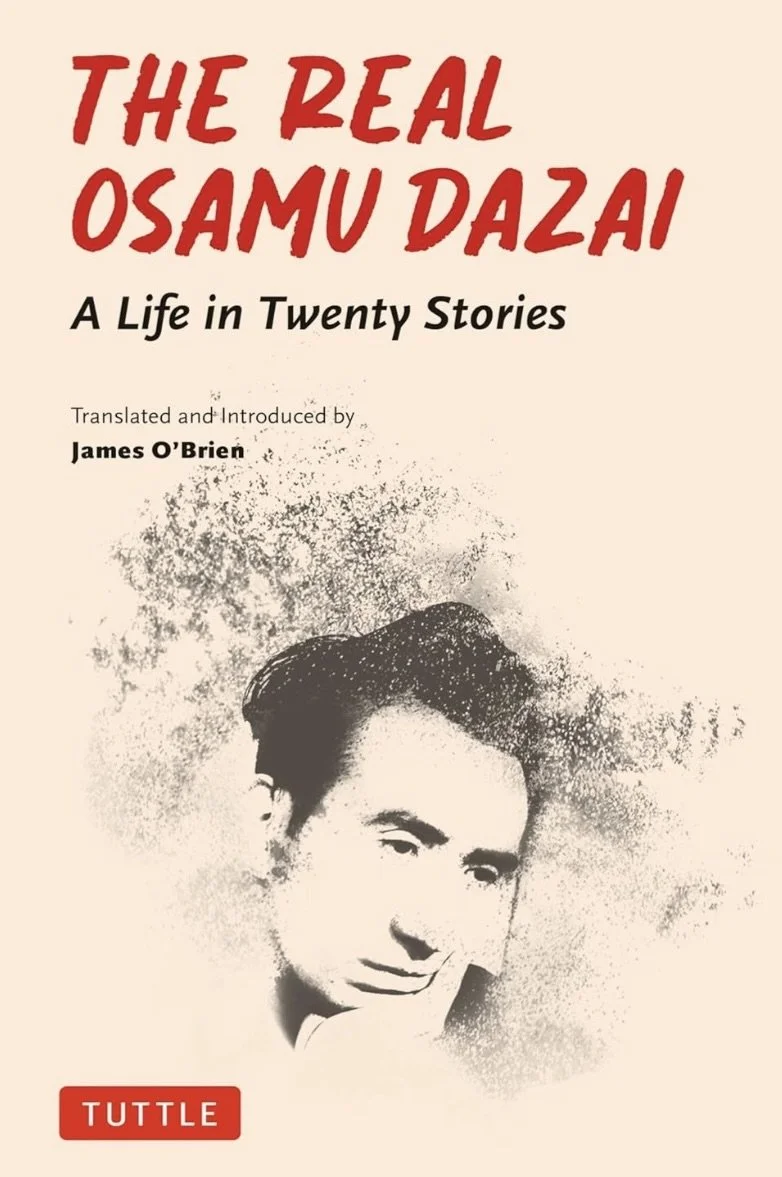
The Real Osamu Dazai
The Real Osamu Dazai collects twenty stories that show the full range of Dazai’s writing, from painful and deeply personal to surprisingly funny and tender. A fascinating look at the man behind the myth.
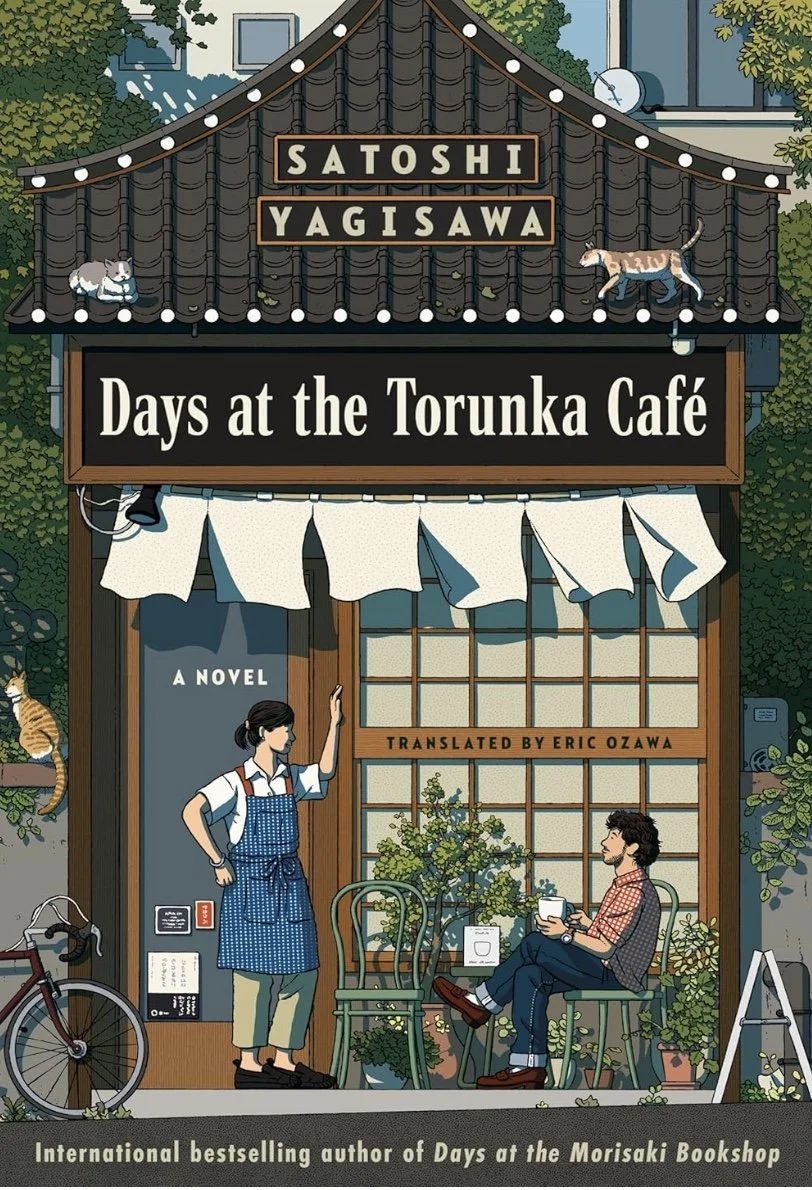
Days at the Torunka Café
A reflective novel of three intersecting lives at a small Tokyo café. Each story holds both sadness and hope, showing how people continue and connect in deeply human ways.
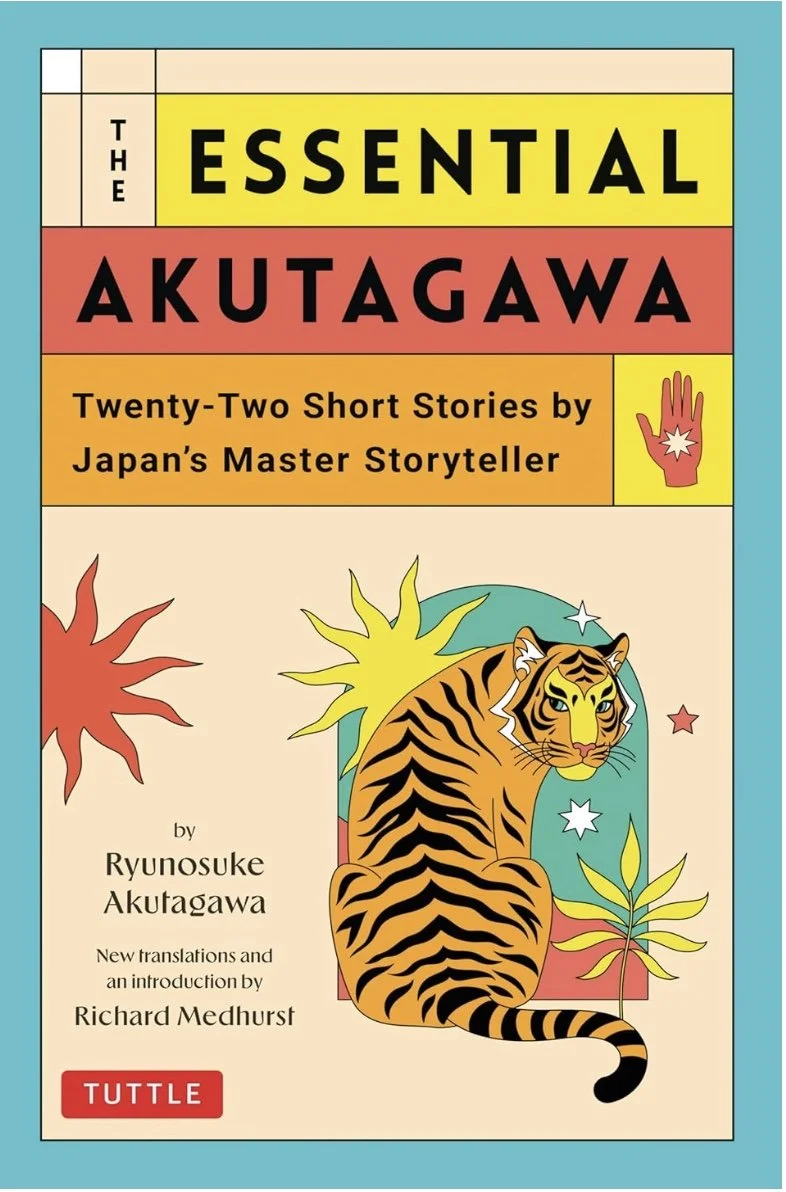
The Essential Akutagawa
The Essential Akutagawa is a rich, readable collection of twenty-two stories that move between folklore, humor, and moral darkness. It’s an approachable entry into Japanese classics and a sharp look at the best and worst of being human.
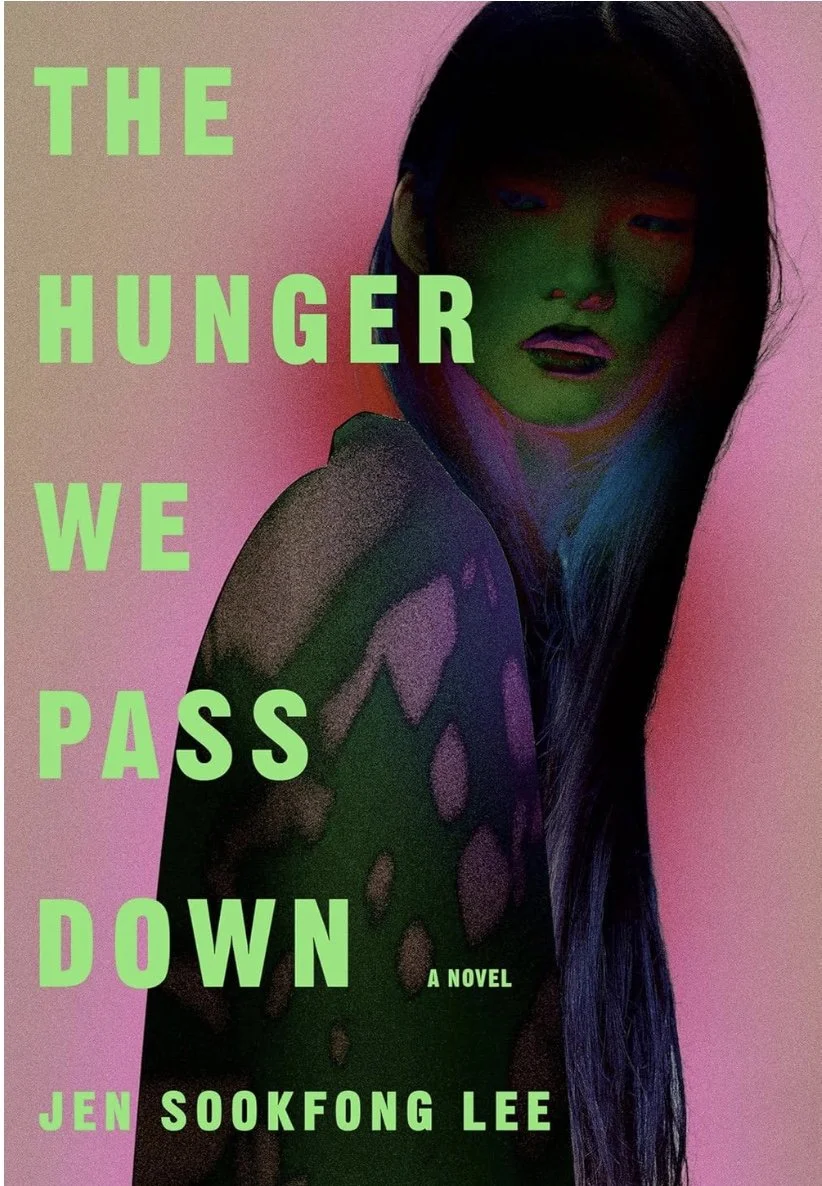
The Hunger We Pass Down
The title could just as easily have been The Rage We Pass Down. That is what I felt on every page. Rage mixed with grief, with ghosts standing in for the violence that shaped this family. The horror never felt separate from the real — it was historical and horror at the same time.
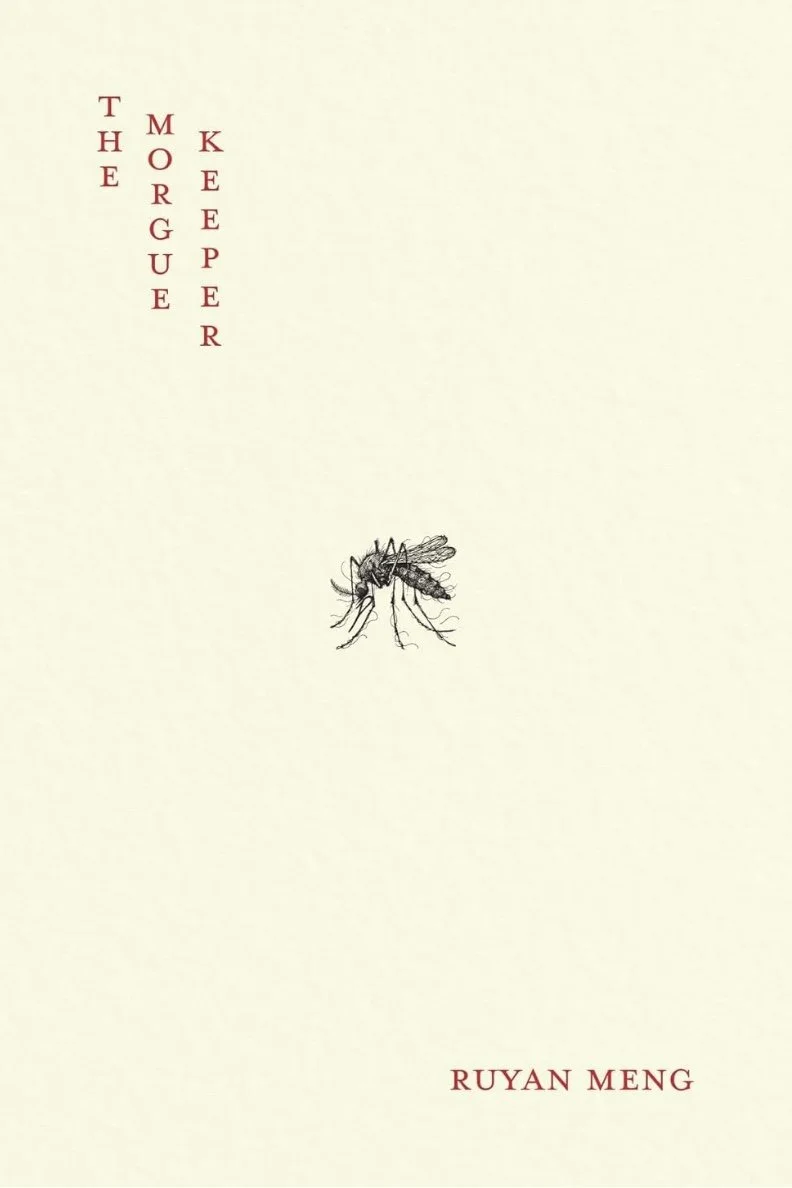
The Morgue Keeper
Set in 1966 China, The Morgue Keeper is not a story of rebellion in the traditional sense… it's a story of survival, of sharing cigarettes and kindness when there's nothing left. I finished it wrecked, and grateful to have read it.
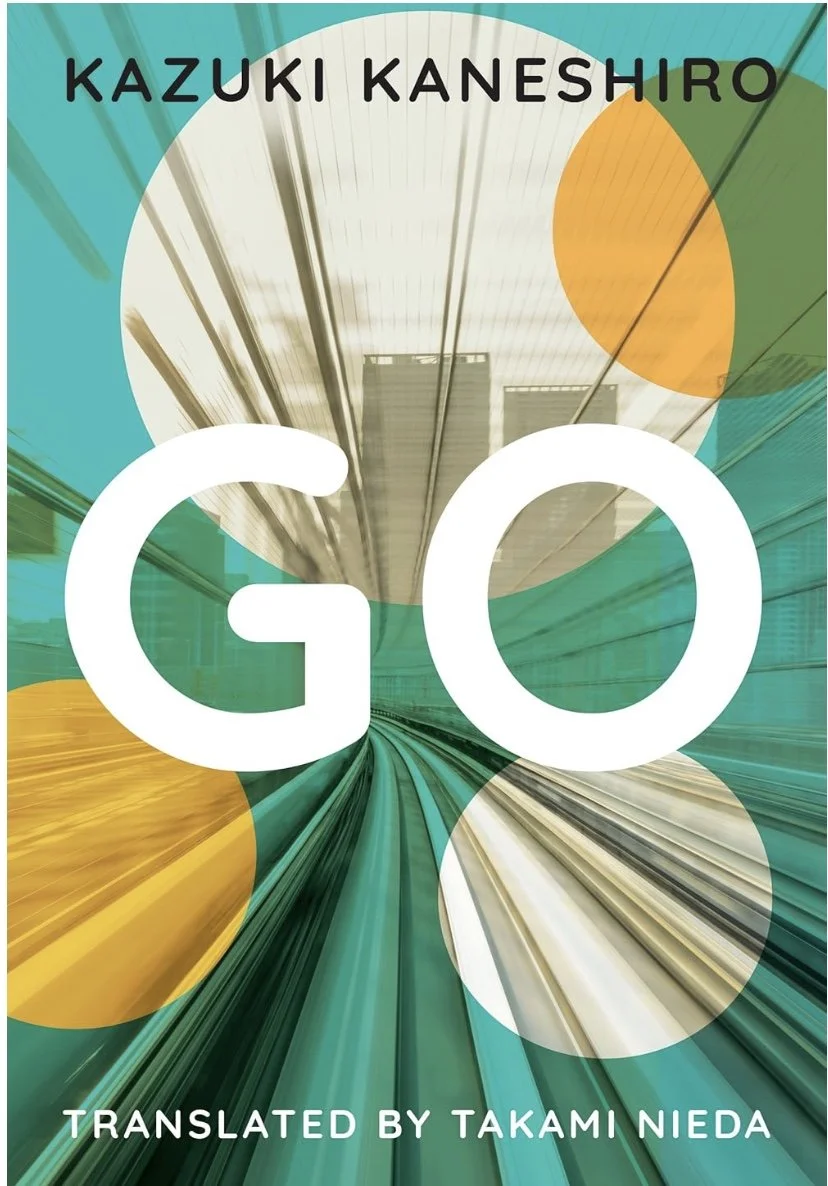
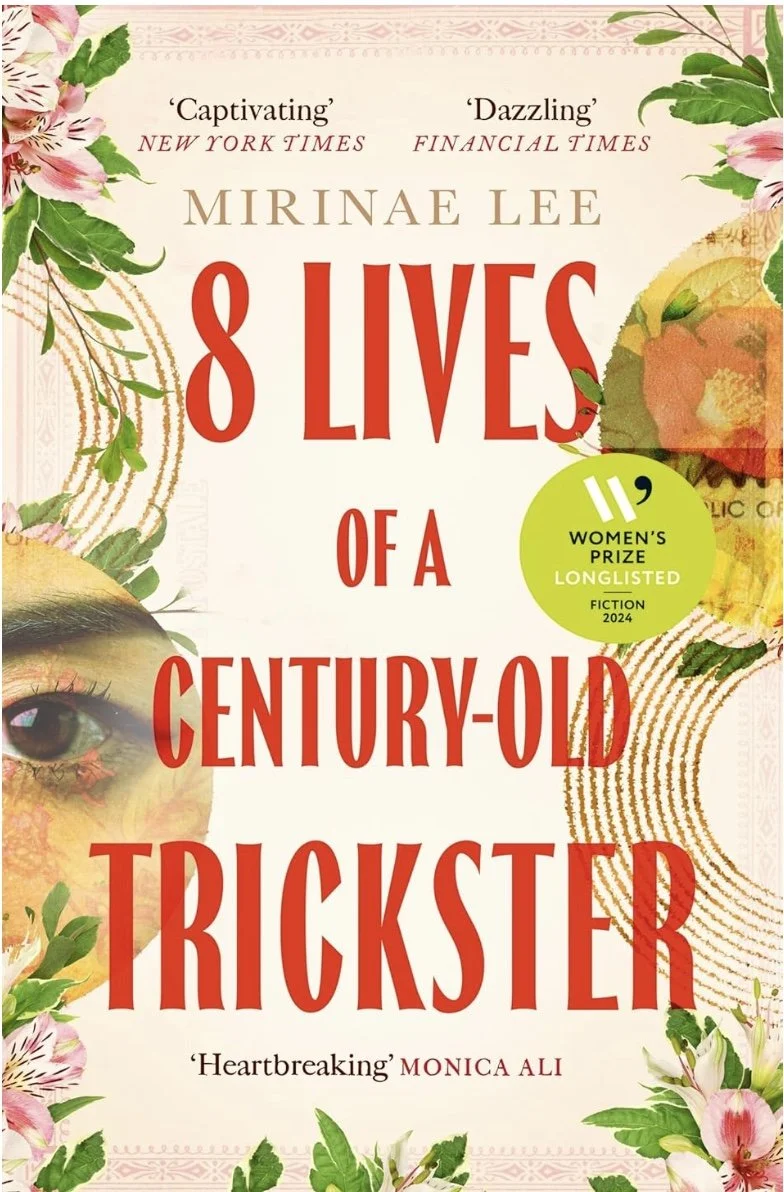
8 Lives of a Century-Old Trickster
8 Lives of a Century-Old Trickster is a brutal, layered story about what it means to live through history that tries to erase you — and the impossible choices women have had to make to survive.
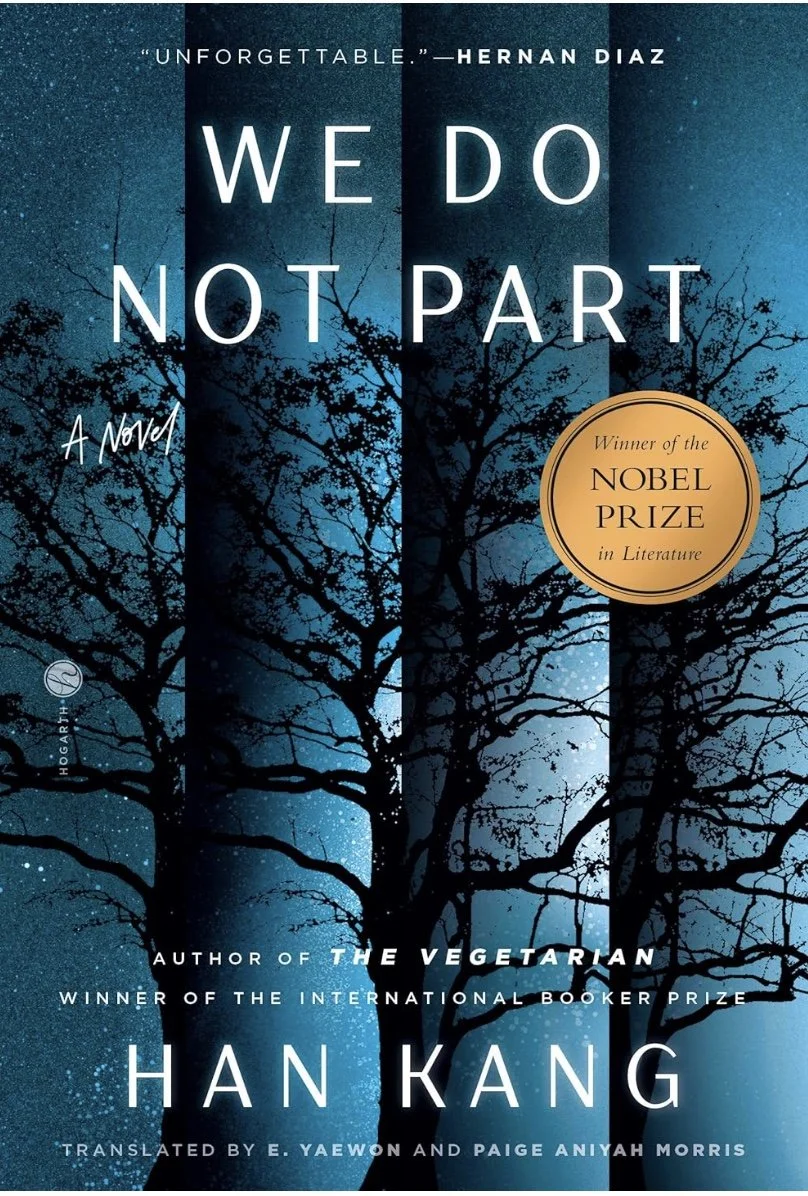
We Do Not Part
A quiet, haunting novel that unfolds in layers — snow, silence, and a history that still trembles underfoot.
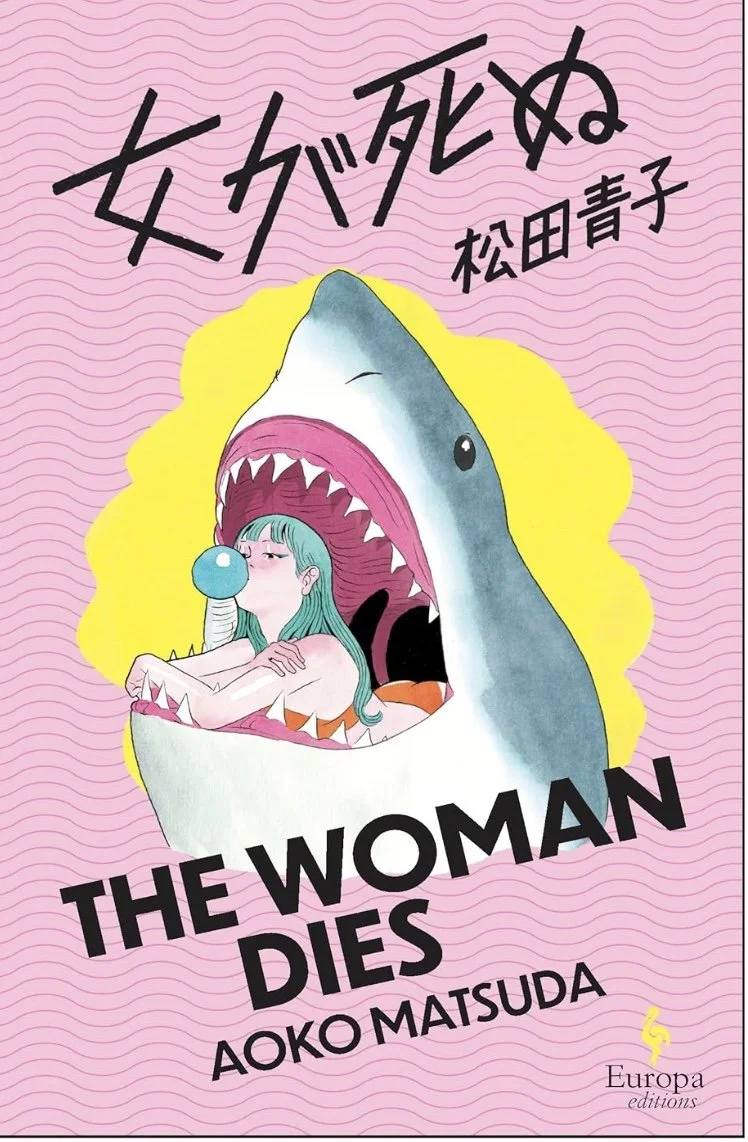
The Woman Dies
What struck me most was how physical the reading experience felt. You don’t just think about these pieces. You feel them.
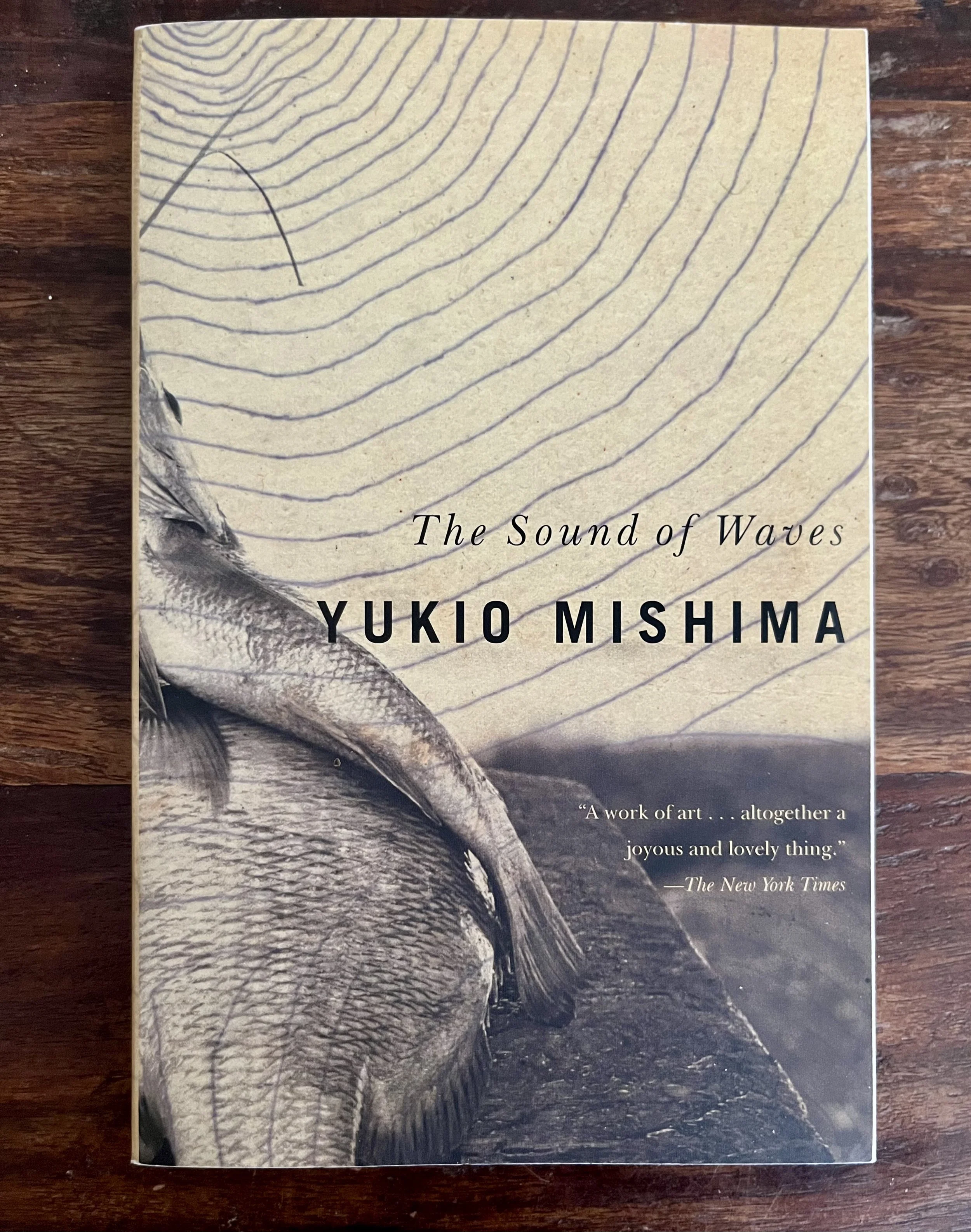
The Sound of Waves
He felt himself floating far out at sea, deep down in the silence, alone. He was conscious only of the sea, and of himself in the sea.
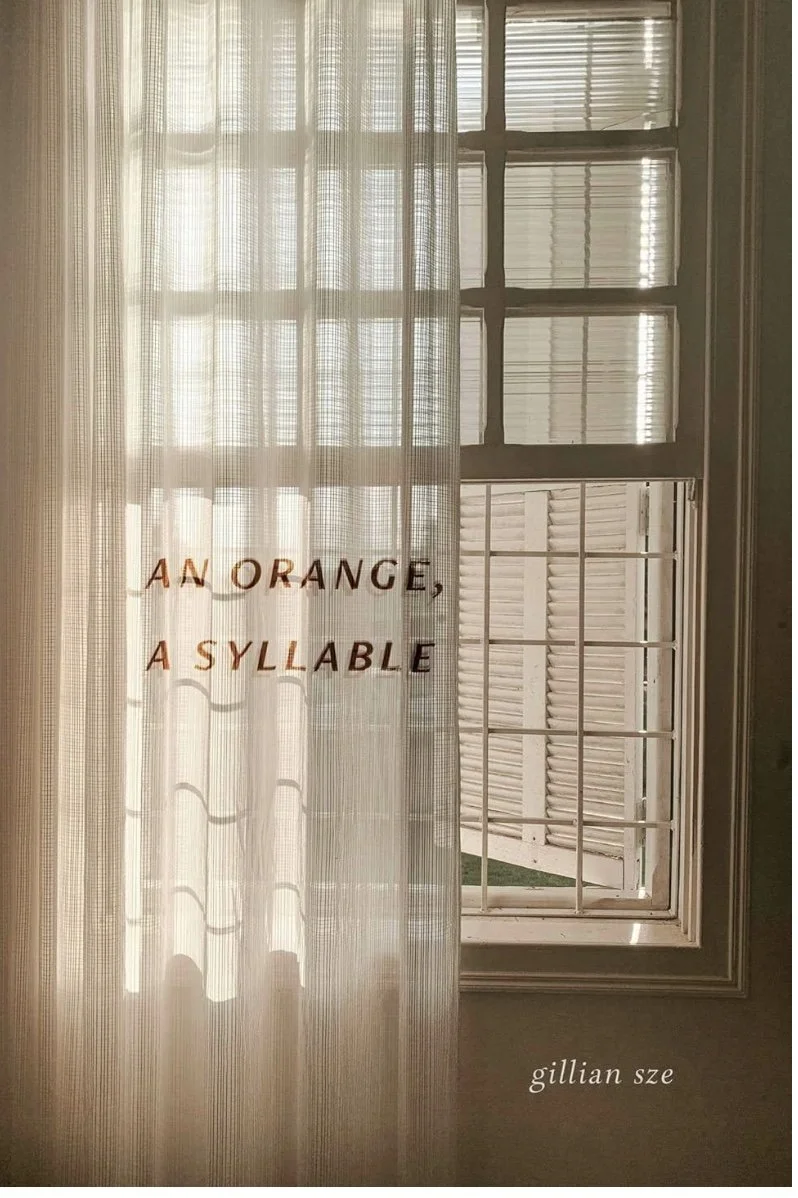
An Orange, A Syllable
An intimate, poetic reflection on motherhood, language, and identity. Gillian Sze captures early parenthood with rare grace and emotional clarity.
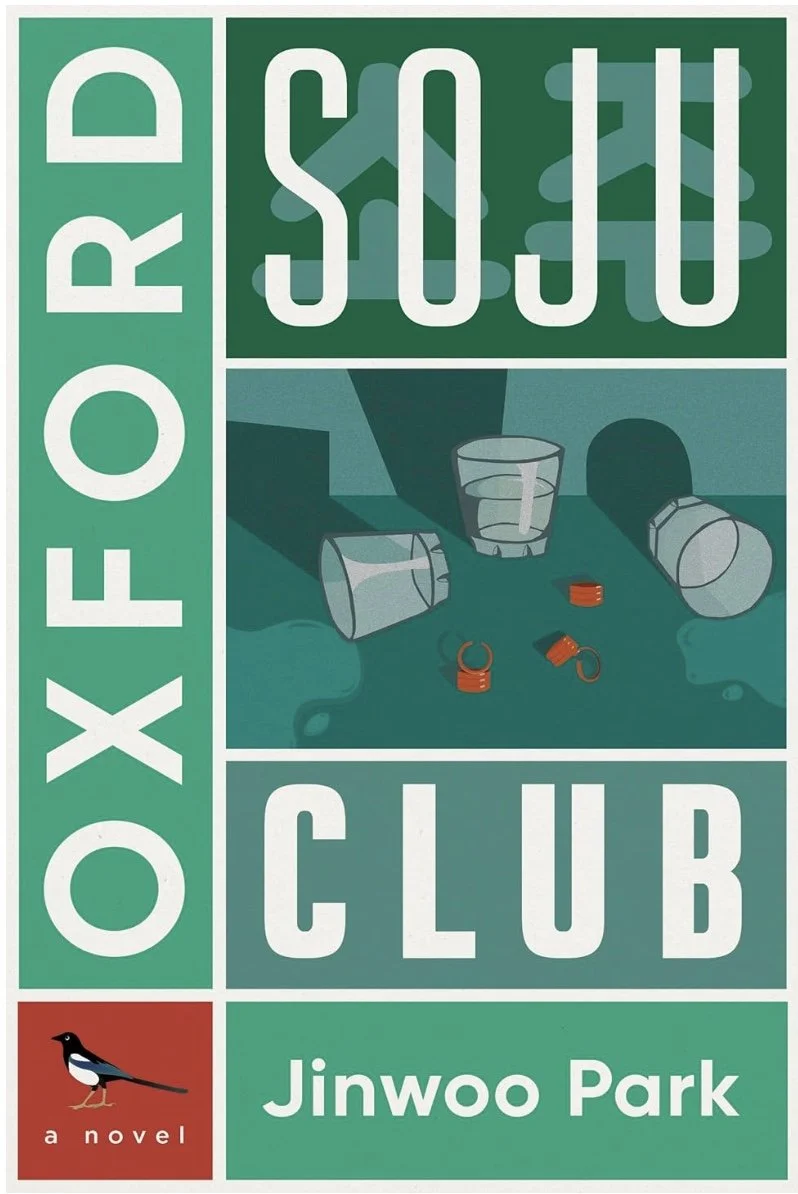
Oxford Soju Club: A Spy Story Where the Real Plot Is Identity
Jinwoo Park’s debut novel Oxford Soju Club might look like a spy story on the surface, but it’s really a quiet and sharp novel about identity, performance, and fractured belonging in the Korean diaspora.
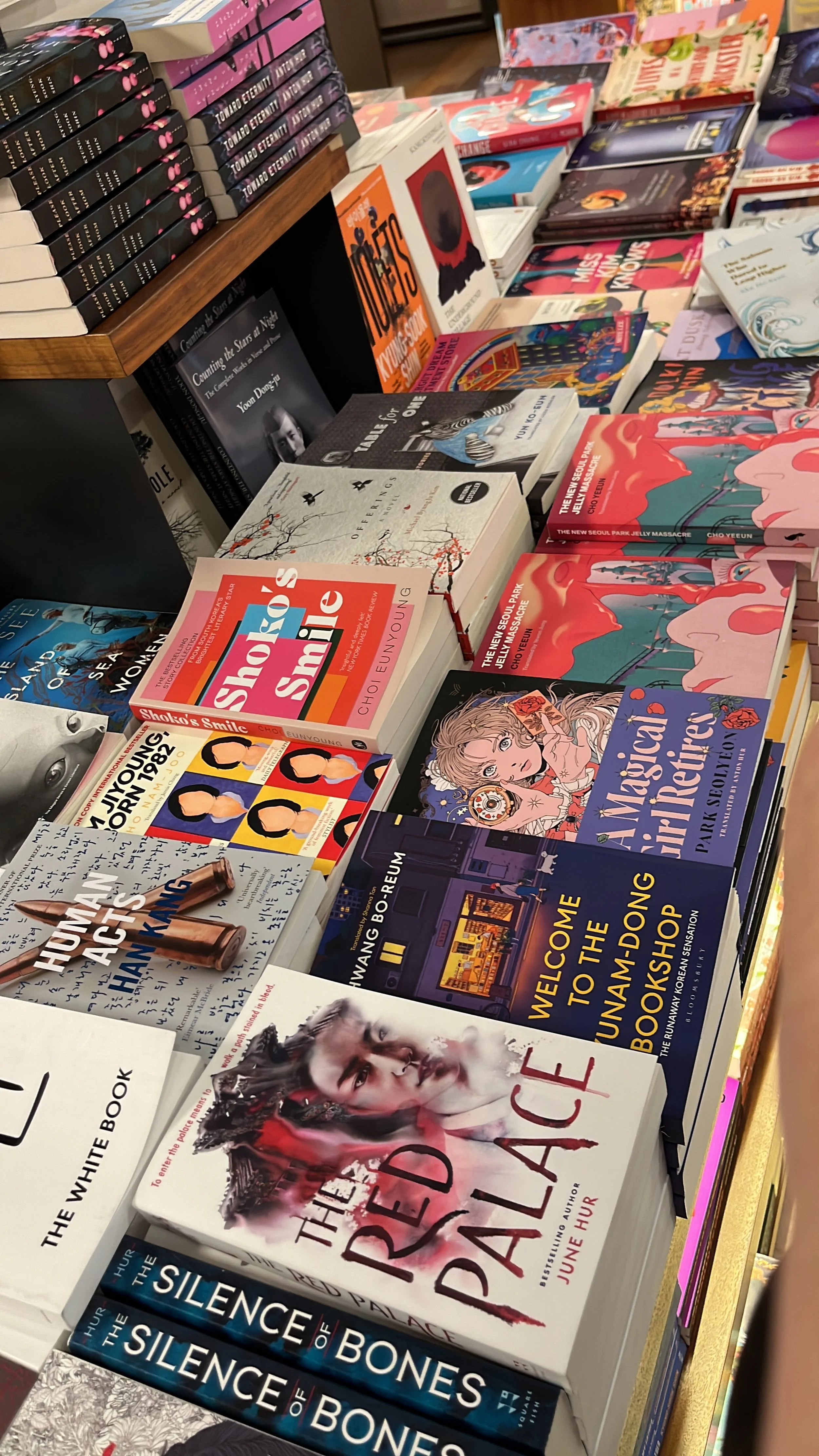
My Asian Era Book Club
A quiet, flexible book club focused on Asian literature — short novels, thoughtful conversations, and spoiler-free discussion at your own pace.