

My Asian Era
A curated journey through Asian literature
Thoughtful Reviews. Quiet Stories. Literary Depth.
For the past two years, I’ve been reading, reviewing, and steadily building a curated archive of books by Asian authors, mostly translated fiction, contemporary literature, and underrepresented voices that often get missed by mainstream reading lists.
What started as a personal reading habit has evolved into a full platform: a growing collection of spoiler-free reviews, thematic roundups, and quiet reflections meant to help more readers discover the emotional and cultural depth of Asian literature.
You’ll find:
Honest reviews from across Asia: Korean, Japanese, Southeast Asian, South Asian, Chinese, and Asian authors writing from around the world
Mini features for short books and chapbooks
Book club picks with community conversation prompts
Emotional clarity over academic critique
A calm space to discover books that you may have missed otherwise
This is a living archive, part ongoing project, part reflective journal.
I’m in the process of centralizing older reviews and continuing to explore both contemporary releases and classic titles from across the region.
If you're tired of the same dozen titles getting recycled across book feeds, you're in the right place.
Welcome.
P.S. If you're looking to read along, I host a quiet book club through Fable. It's casual, thoughtful, and open to anyone curious about Asian literature.
Search Titles, Authors, Keywords, Themes
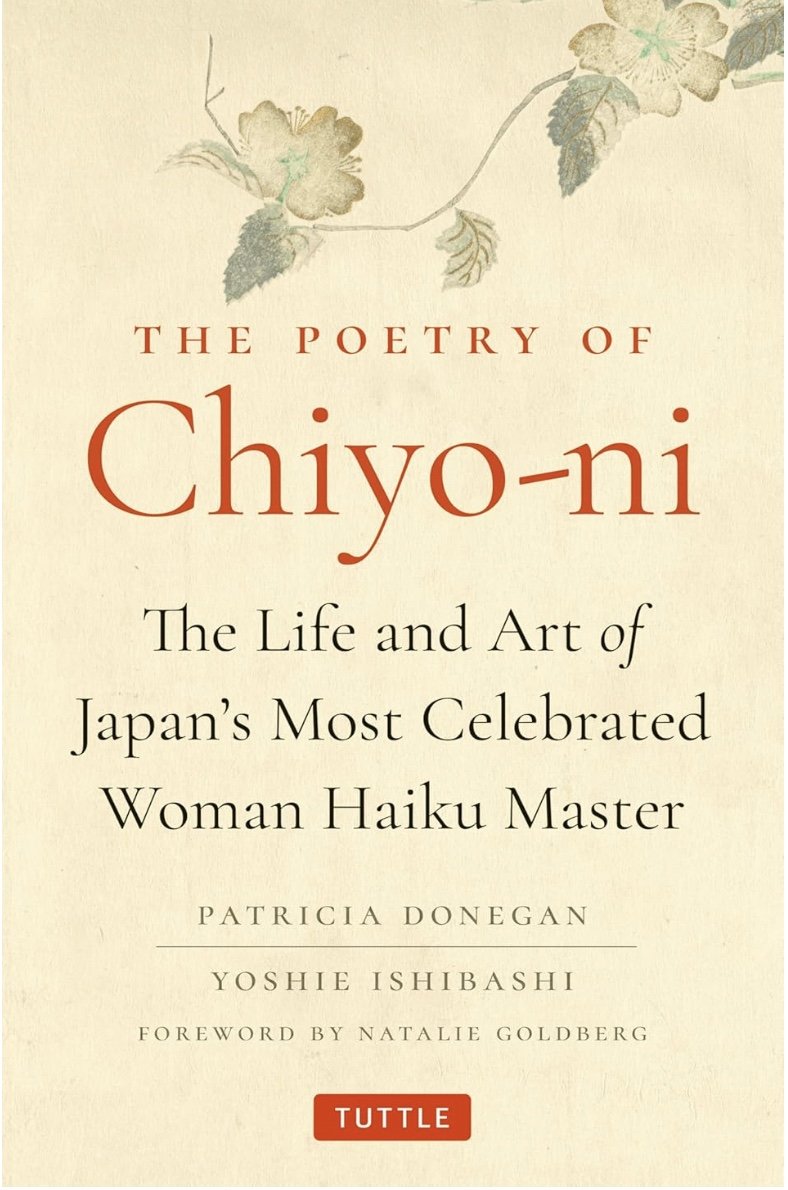
The Poetry of Chiyo-ni
This book introduces the life and work of Chiyo-ni (1703–1775), one of Japan’s most celebrated haiku poets and a woman who built a literary life in a world that rarely made space for women. Poet, artist, and later a Buddhist nun, Chiyo-ni lived a life shaped by both discipline and quiet observation.
The book moves from her life and historical context into her poetry, presenting the haiku in multiple forms alongside artwork, calligraphy, and helpful explanations. It’s not a book to rush through. It asks you to slow down, read carefully, and return to certain pages more than once. Some poems need guidance to fully open up. Others arrive whole.