
When the Museum Is Closed
by Emi Yagi
Translated from the Japanese by Yuki Tejima
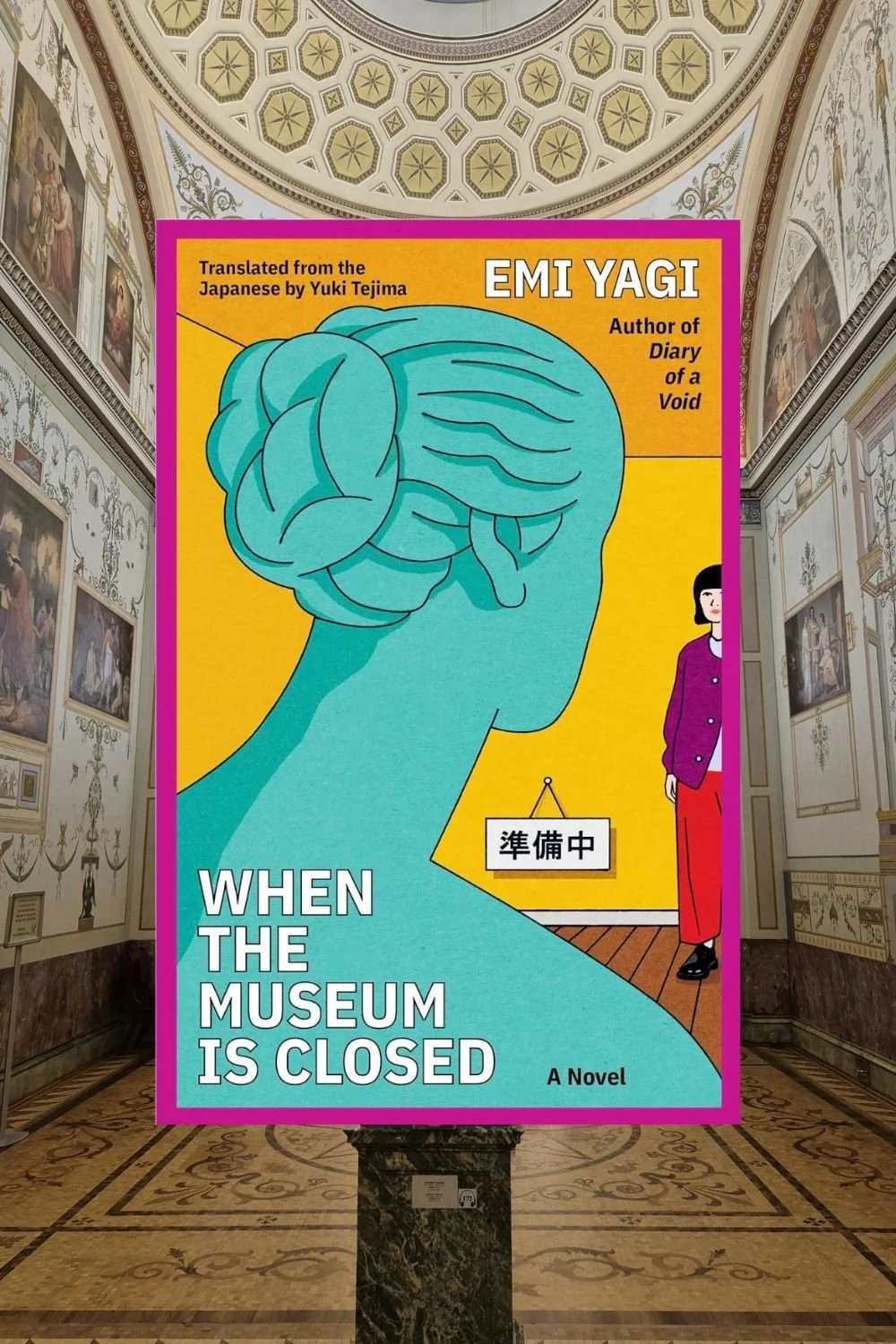
ARC Review
Published by Soft Skull, New York
Publish Date Jan 27, 2026
What It’s About
This is a strange, playful book that keeps shifting its tone and direction. Rika Horauchi takes a part-time job at a museum where, once a week, she speaks Latin with a statue of Venus after hours. The museum is closed, the space is quiet, and Venus talks back.
From there, the book moves in unexpected directions. Rika lives a largely solitary life, working in a frozen-food warehouse and keeping to herself. Her conversations with Venus open up something she didn’t realize she was missing. What follows is less about plot than about what happens when a woman is finally allowed to exist without explanation or pressure.
What Stuck With Me
The whole book felt like a fever dream in the best way. So many odd, funny, and offbeat things happen that you eventually stop questioning them. You let the story move where it wants to go.
The moment I kept returning to was a small, invented game where Rika and Venus watch people and make up stories about their lives. It’s quiet and observant, and it captures the book’s tone perfectly. Curiosity without intrusion. Attention without ownership.
Emotionally, the book moves in uneven ways, but that felt intentional. Rika is deeply introverted and protective of her space. Much of the story lives in that guarded interior, where connection is rare and carefully chosen.
What stayed with me most was the imbalance in who gets to move freely, who is observed, and who needs permission to exist outside the roles assigned to them. The book never explains this outright. It just lets the dynamic sit there and trusts the reader to notice.
There’s also a steady through line of women helping other women find room to breathe. Depending on how you read it, that freedom looks different each time, but it’s always present.
Would I Recommend It
Yes, if you’re willing to let it be what it is.
This is a soft, strange read that doesn’t rush to explain itself. If you need everything to feel grounded or logical, this may test your patience.
BUT, if you enjoy surreal stories that stay gentle, trust oddness, and quietly center women choosing their own terms, this one is worth your time.
Thank you to Soft Skull for the early read.
My takeaway: This book works best when you stop asking what it means and let it unfold.
Where to Read It:
This post may contain affiliate links. If you make a purchase through these links, I may earn a small commission at no extra cost to you.
Buy on Amazon , Bookshop.org
First time on Bookshop.org? Click for discount code
Looking for your next read?
My Asian Era is where literature meets culture, thoughtful reviews, quiet voices, and stories worth slowing down for.
If You Like This You May Like:
Emi Yagi, Diary of a Void
For its quiet disruption of everyday life and attention to women’s interior worlds.Hiromi Kawakami, Strange Weather in Tokyo
For small moments, pauses, and understated connection.Yoko Ogawa, The Diving Pool
For precise interior focus and unease without explanation.Banana Yoshimoto, Kitchen
For softness, emotional distance, and quiet intimacy.
