
My Asian Era
A curated journey through Asian literature
Thoughtful Reviews. Quiet Stories. Literary Depth.
For the past two years, I’ve been reading, reviewing, and steadily building a curated archive of books by Asian authors, mostly translated fiction, contemporary literature, and underrepresented voices that often get missed by mainstream reading lists.
What started as a personal reading habit has evolved into a full platform: a growing collection of spoiler-free reviews, thematic roundups, and quiet reflections meant to help more readers discover the emotional and cultural depth of Asian literature.
You’ll find:
Honest reviews from across Asia: Korean, Japanese, Southeast Asian, South Asian, Chinese, and Asian authors writing from around the world
Mini features for short books and chapbooks
Book club picks with community conversation prompts
Emotional clarity over academic critique
A calm space to discover books that you may have missed otherwise
This is a living archive, part ongoing project, part reflective journal.
I’m in the process of centralizing older reviews and continuing to explore both contemporary releases and classic titles from across the region.
If you're tired of the same dozen titles getting recycled across book feeds, you're in the right place.
Welcome.
P.S. If you're looking to read along, I host a quiet book club through Fable. It's casual, thoughtful, and open to anyone curious about Asian literature.
Search Titles, Authors, Keywords, Themes
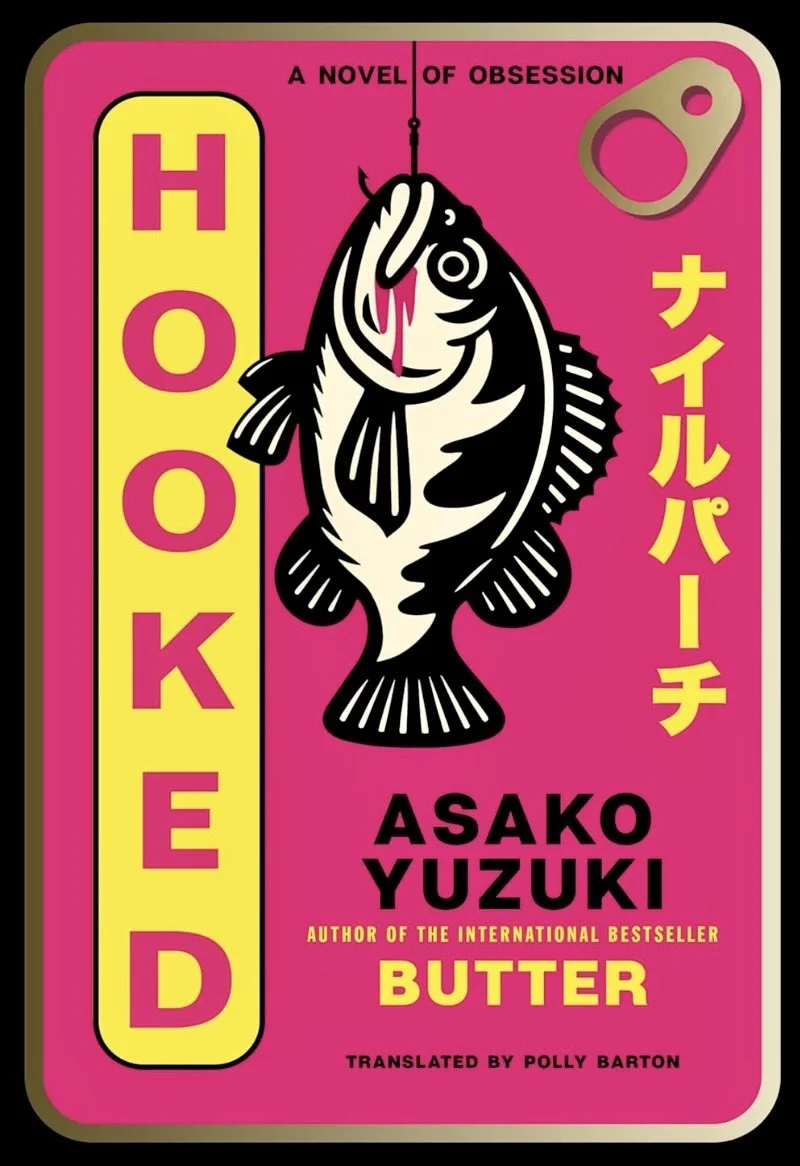
Hooked
What I kept thinking about was how hard it is to make real friends as an adult. That longing Eriko carries is not dramatic or theatrical. It is painfully ordinary. And underneath that is something Yuzuki handles with real honesty, the way women can sometimes be their own worst enemies, and each other's too.
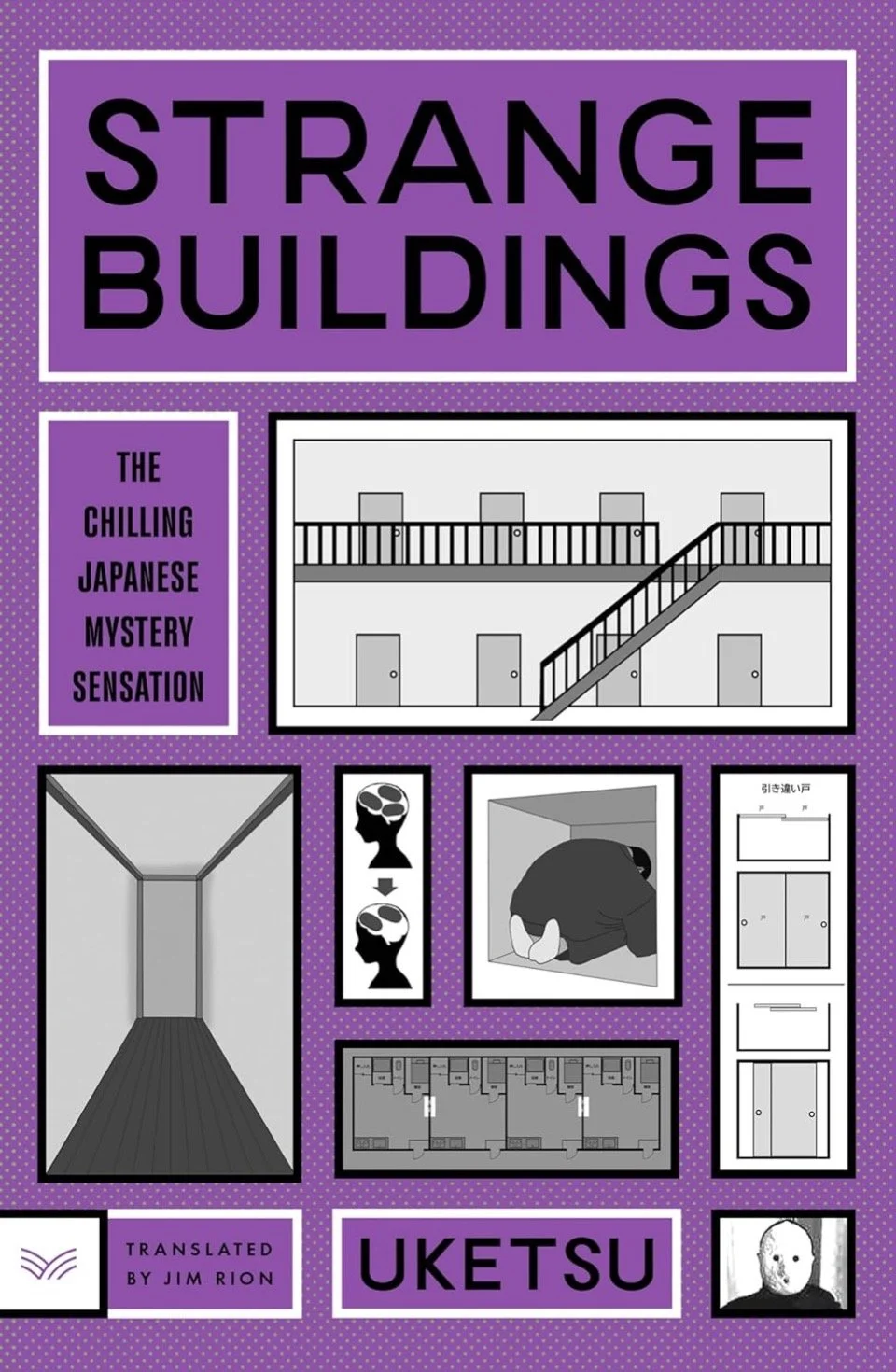
Strange Buildings
Strange Buildings knocked the wind out of me. What starts as a clever, puzzle-based horror quickly turns darker and more disturbing than I expected. This is a book that doesn’t stop when you think it’s finished with you.
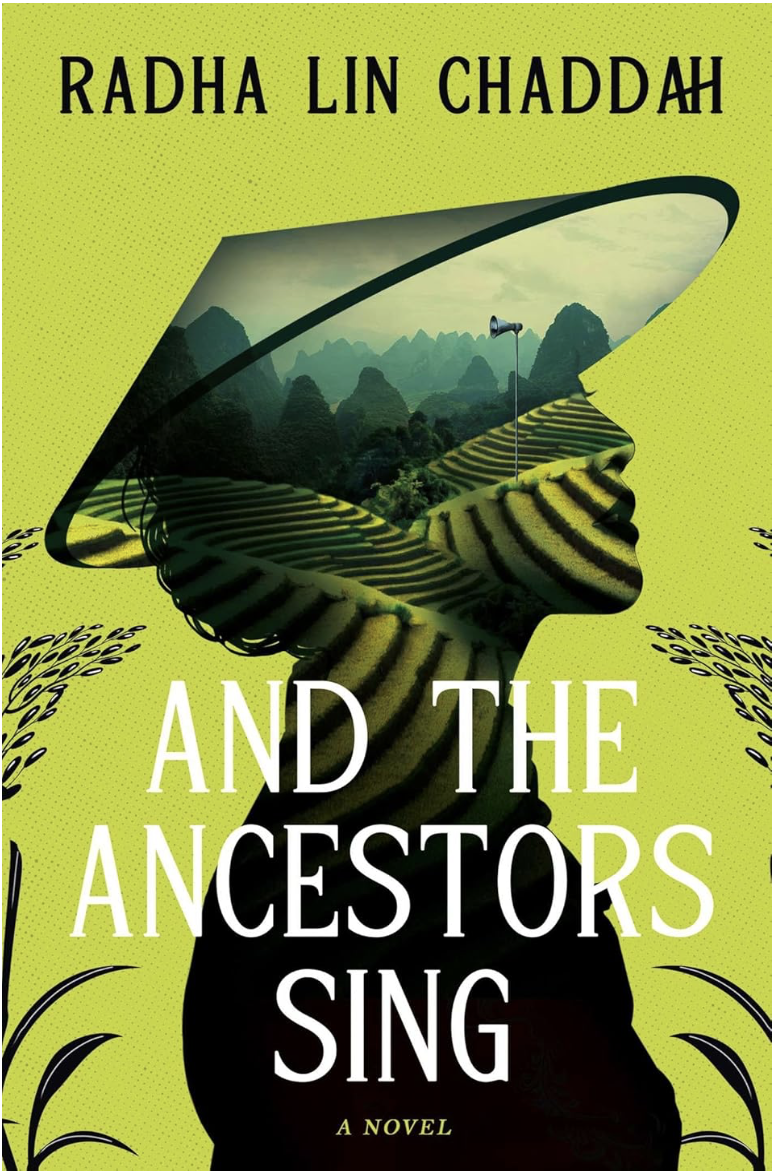
And The Ancestors Sing
A steady, resilient multigenerational novel set in post–Cultural Revolution China, where women and families endure poverty, migration, and loss. Lei’s story especially pulled me in, and the ending felt like exactly where this book needed to go.
Troubled Waters
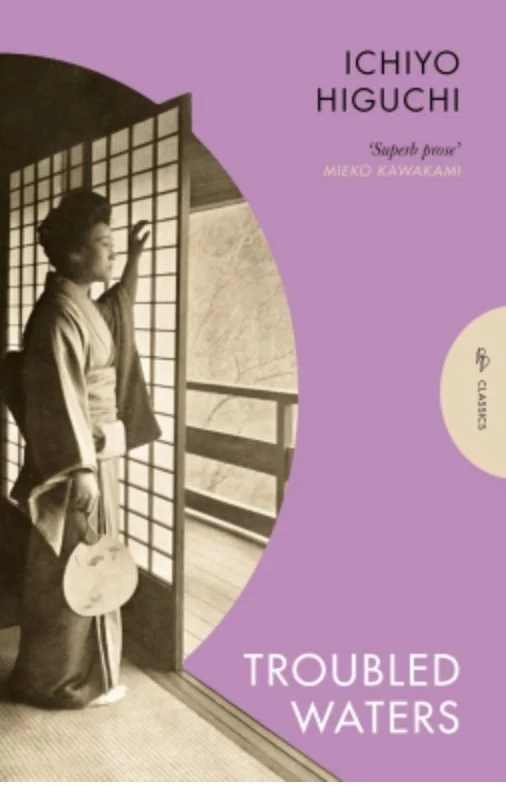
My first time reading Ichiyo Higuchi, and I didn’t expect to love it this much. Five Meiji-era stories set in working-class Tokyo, full of sharp observation and women who feel real on the page. “Troubled Waters” and “Growing Pains” were standouts, and the new translation reads beautifully.
All the Tomorrows After
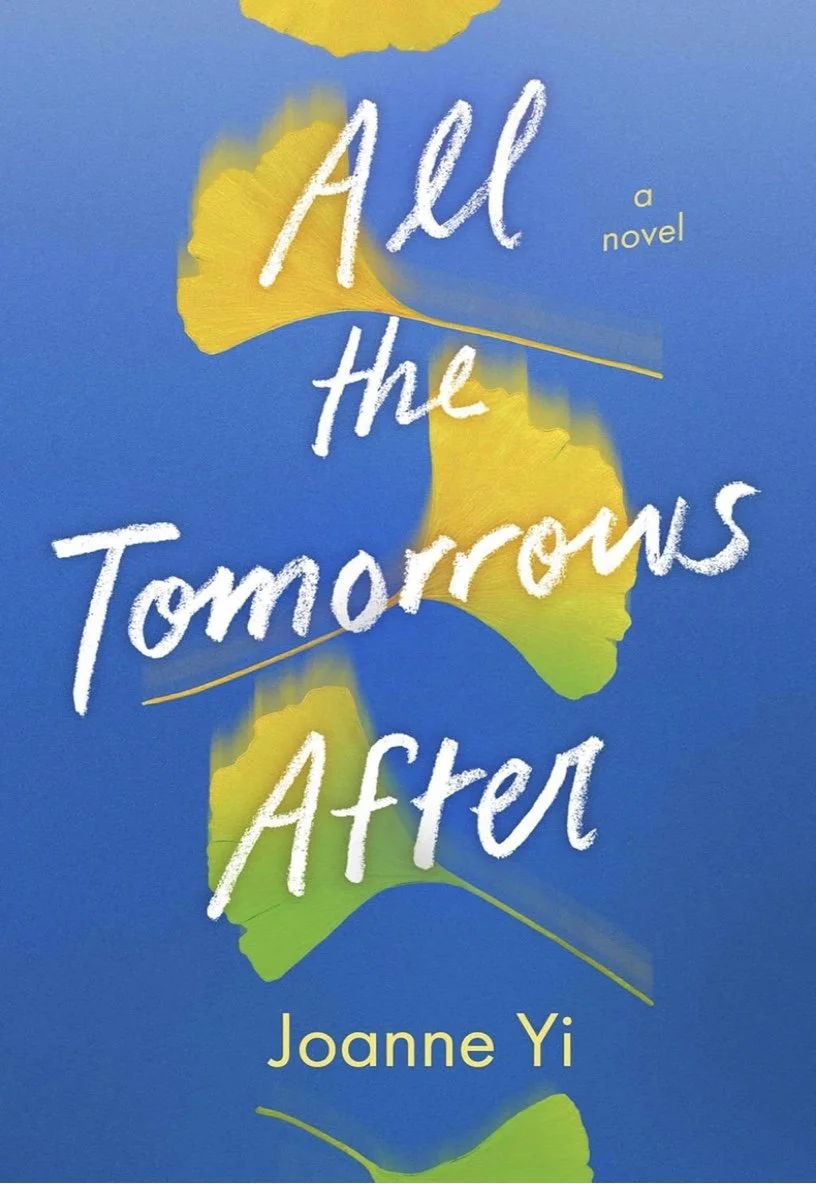
Winter Moon is raw and real. Joanne Yi’s All the Tomorrows After is a heart-wrenching YA novel about grief, first love, and complicated family ties. Honest, sharp, and deeply emotional.
The Fourth Daughter
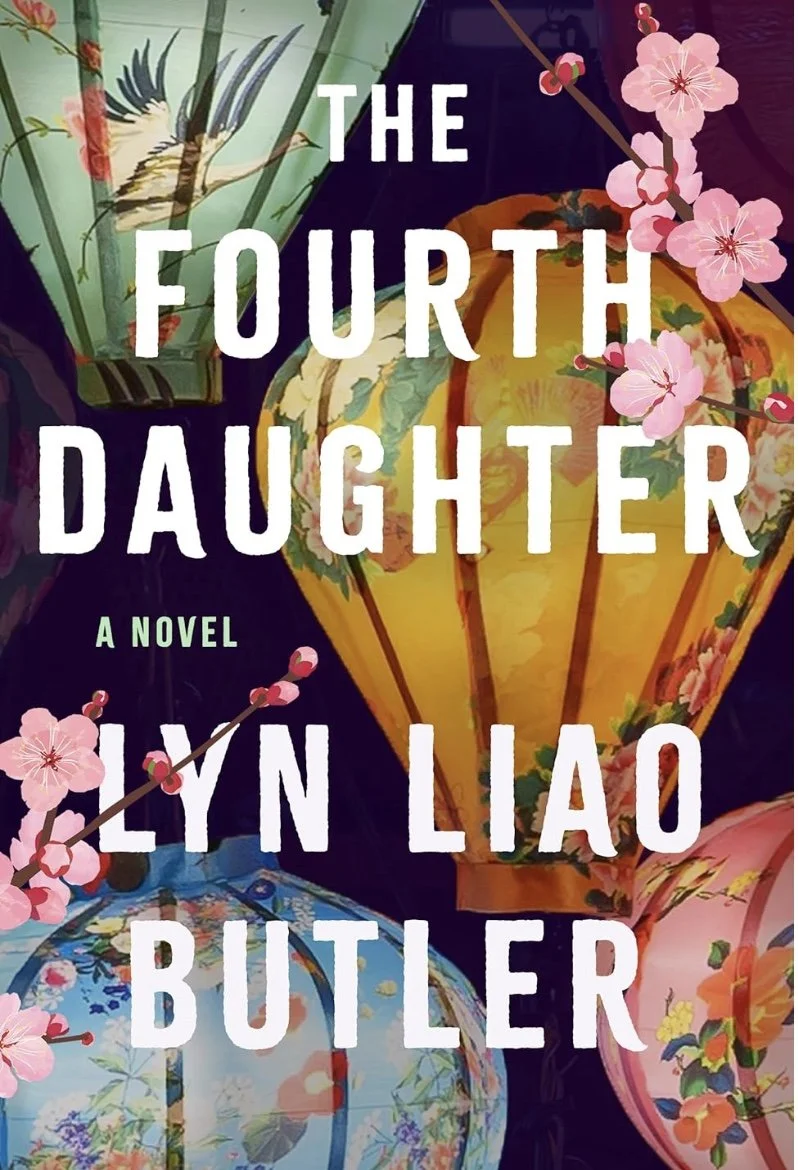
The number four is unlucky in Taiwan. Iit sounds like the word for death. For Ah-Ma, Liv Kuo’s grandmother, that superstition became a lifelong wound when her husband gave their youngest daughter away without telling her. In The Fourth Daughter, Lyn Liao Butler blends Taiwan’s hidden history, family secrets, and the comfort of food into a story about resilience, memory, and the power of never giving up.
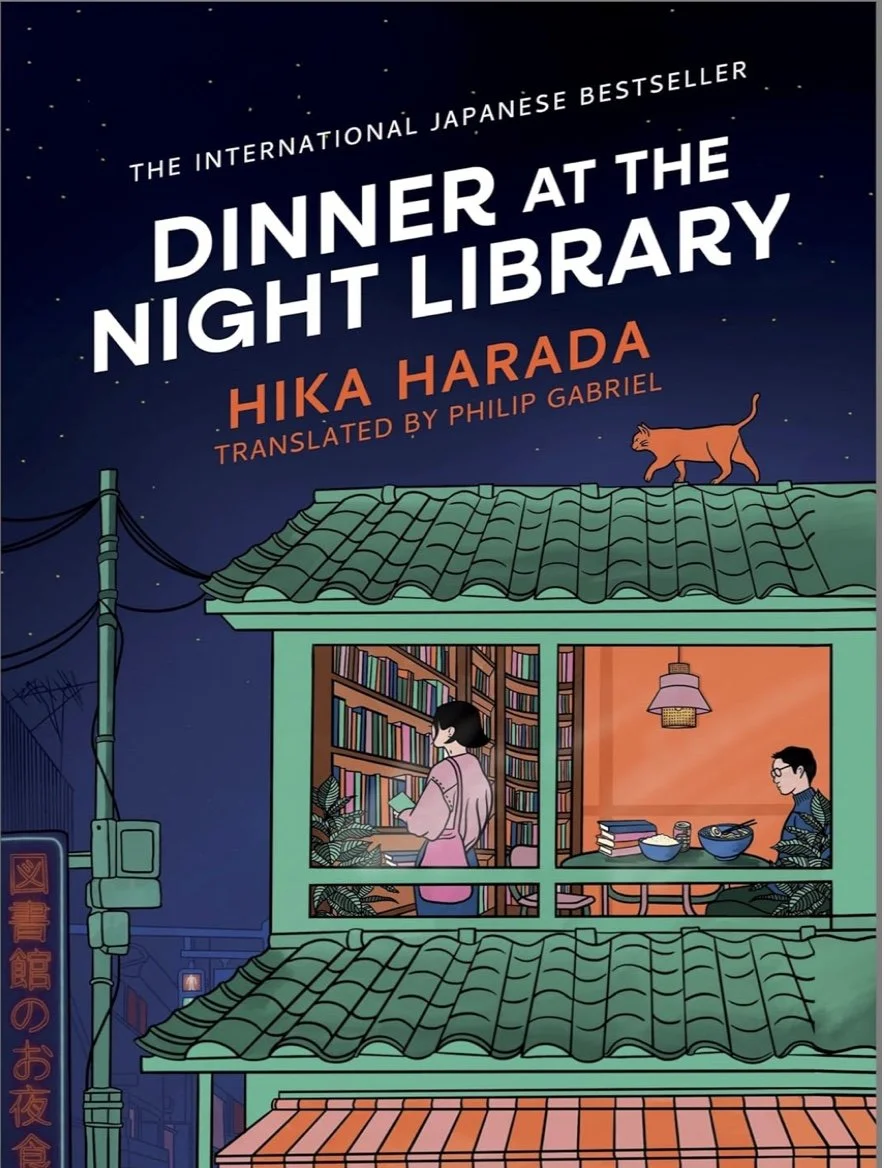
Dinner at the Night Library
A quiet, slightly offbeat novel about burnout, books, and the strange comfort of working the night shift in a library that only houses the works of the dead. If you liked Morisaki Bookshop or Nakano Thrift Shop, this one belongs on your radar.
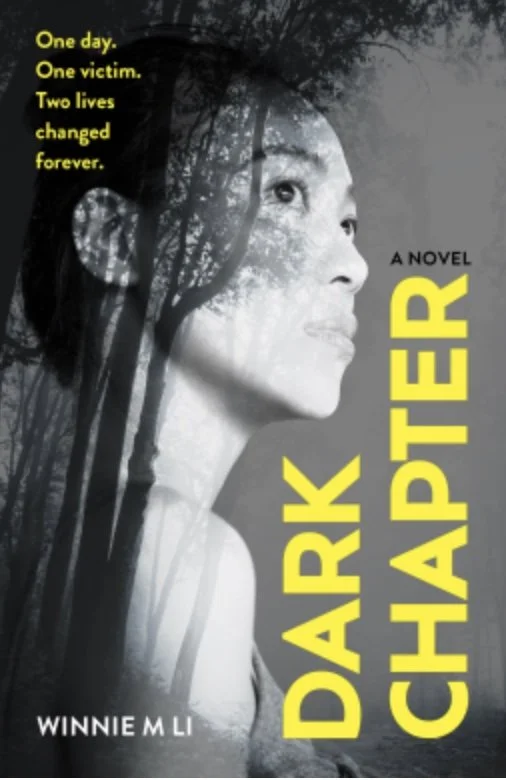
Dark Chapter
This book isn’t about the rape. It’s about everything around it and the silence, the denial, the survival, and the systems that so often fail to hold the right people accountable.
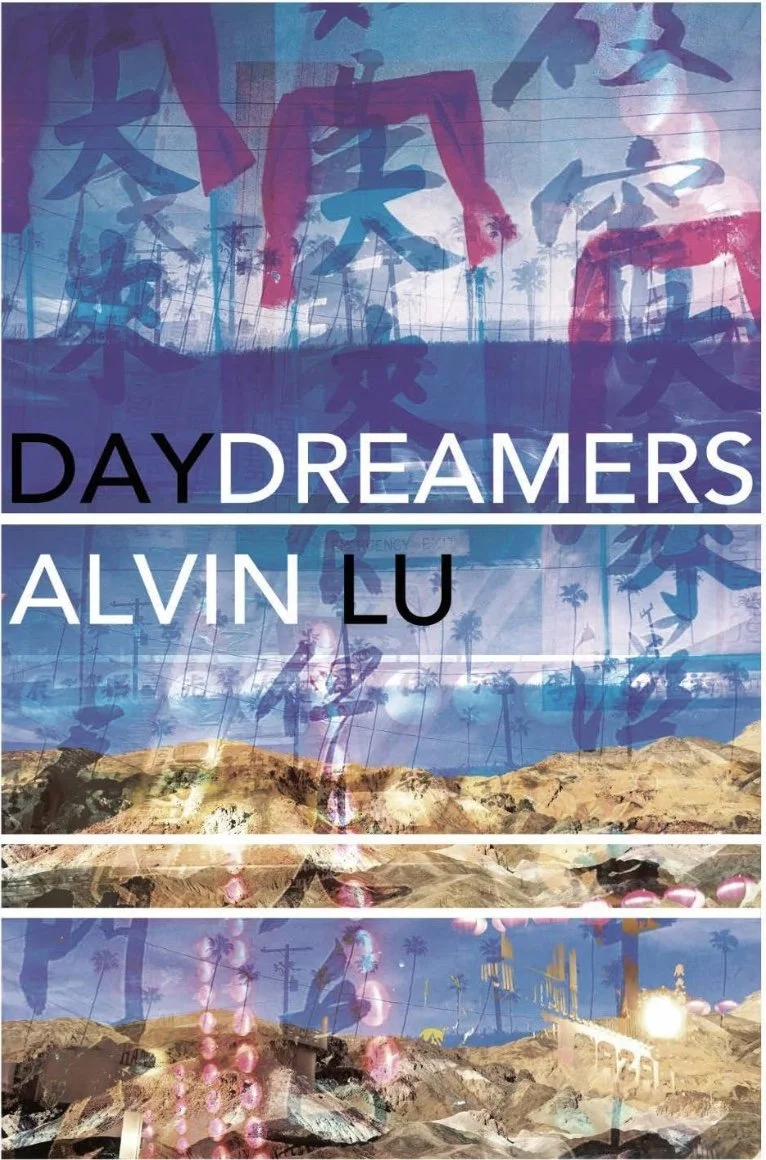
Daydreamers
There were places where I got lost. But that disorientation felt intentional. This isn’t a clean manuscript. It’s a son trying to make sense of the pieces left behind.