
My Asian Era
A curated journey through Asian literature
Thoughtful Reviews. Quiet Stories. Literary Depth.
For the past two years, I’ve been reading, reviewing, and steadily building a curated archive of books by Asian authors, mostly translated fiction, contemporary literature, and underrepresented voices that often get missed by mainstream reading lists.
What started as a personal reading habit has evolved into a full platform: a growing collection of spoiler-free reviews, thematic roundups, and quiet reflections meant to help more readers discover the emotional and cultural depth of Asian literature.
You’ll find:
Honest reviews from across Asia: Korean, Japanese, Southeast Asian, South Asian, Chinese, and Asian authors writing from around the world
Mini features for short books and chapbooks
Book club picks with community conversation prompts
Emotional clarity over academic critique
A calm space to discover books that you may have missed otherwise
This is a living archive, part ongoing project, part reflective journal.
I’m in the process of centralizing older reviews and continuing to explore both contemporary releases and classic titles from across the region.
If you're tired of the same dozen titles getting recycled across book feeds, you're in the right place.
Welcome.
P.S. If you're looking to read along, I host a quiet book club through Fable. It's casual, thoughtful, and open to anyone curious about Asian literature.
Search Titles, Authors, Keywords, Themes
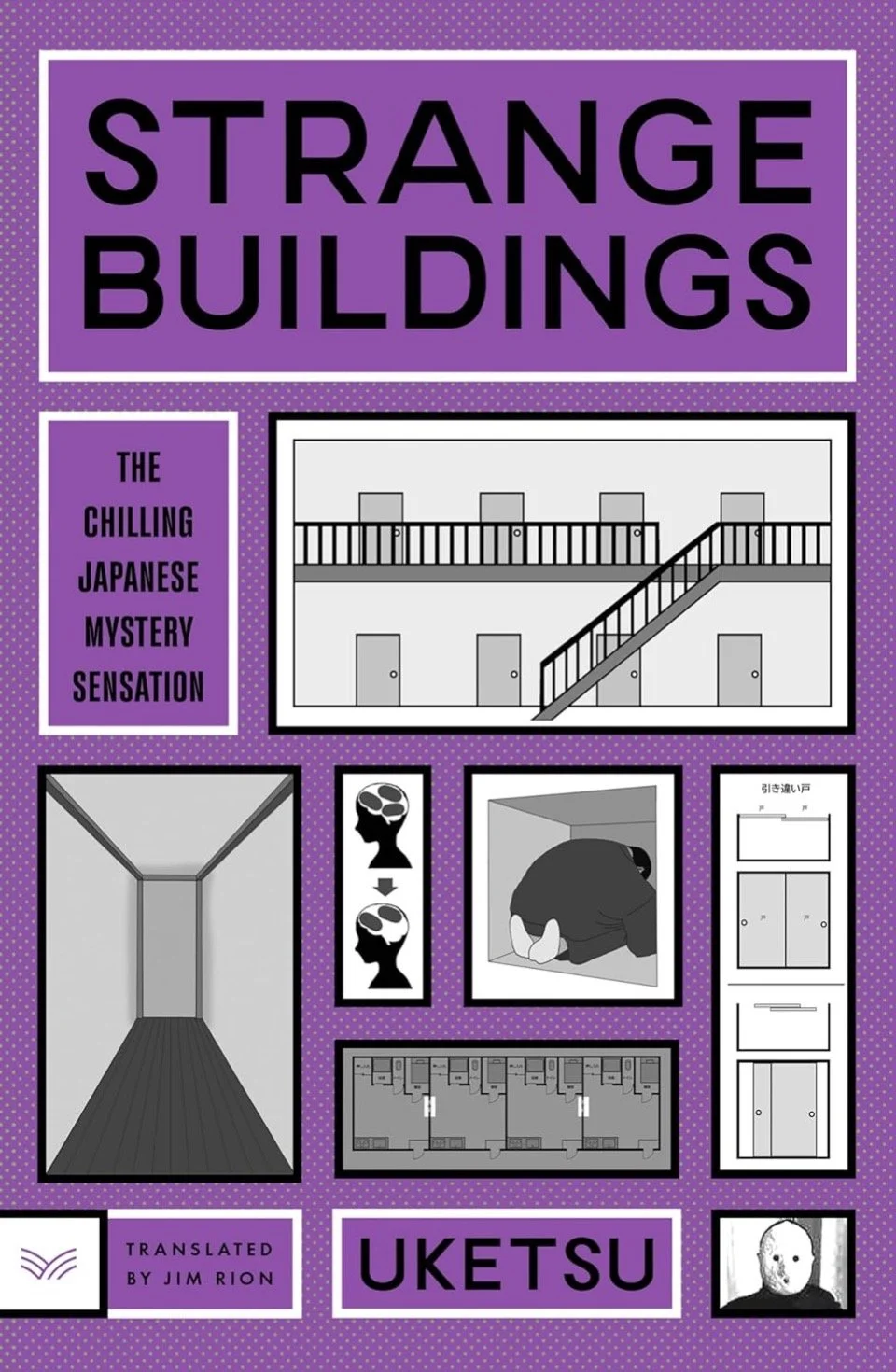
Strange Buildings
Strange Buildings knocked the wind out of me. What starts as a clever, puzzle-based horror quickly turns darker and more disturbing than I expected. This is a book that doesn’t stop when you think it’s finished with you.
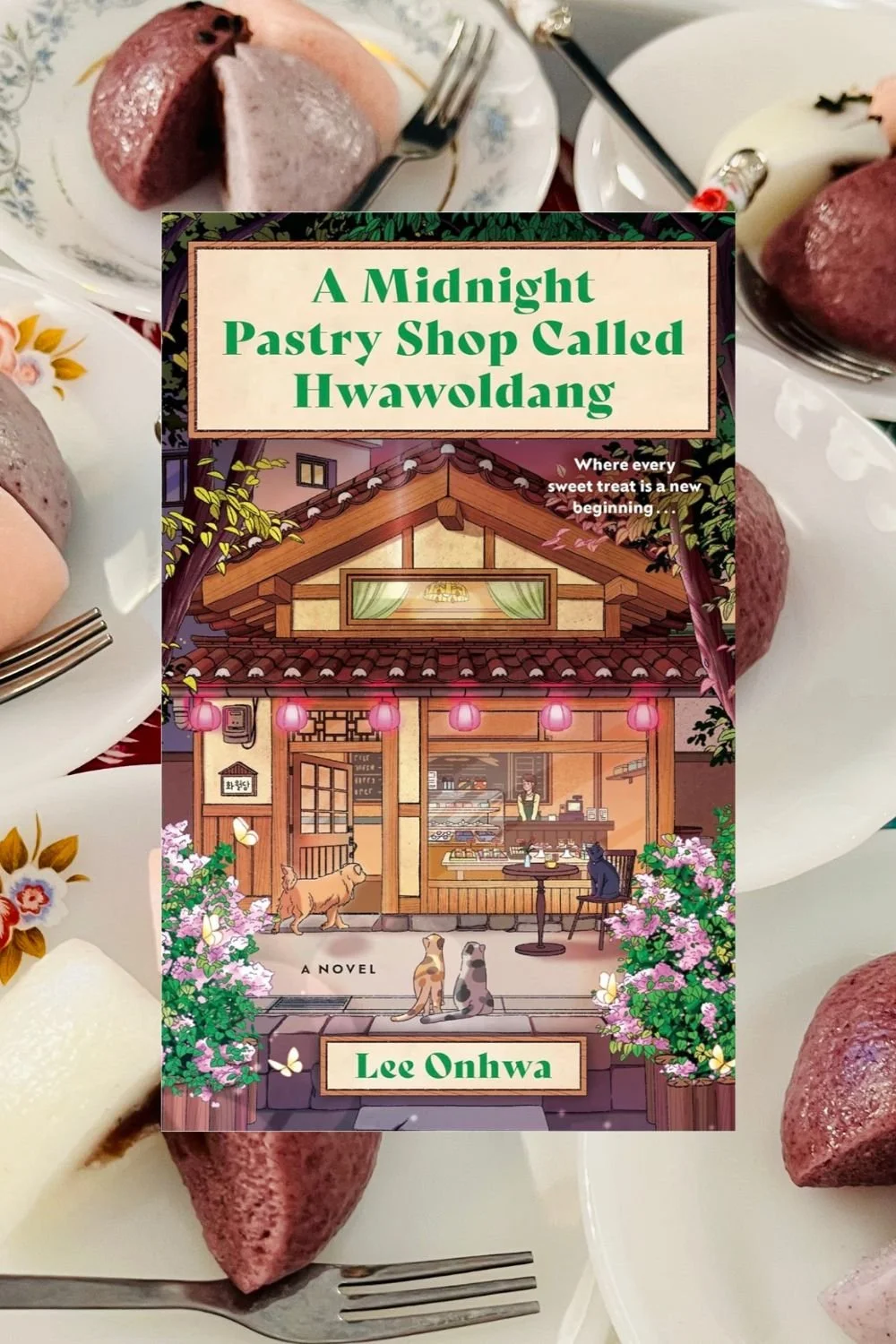
A Midnight Pastry Shop Called Hwawoldang
Cover of A Midnight Pastry Shop Called Hwawoldang, a cozy Korean magical realism novel about a midnight bakery for spirits seeking closure.

Hot Chocolate on Thursday
Michiko Aoyama’s Hot Chocolate on Thursday is a comforting, quietly magical story about connection and kindness. Told through interwoven vignettes, it’s a warm reminder that even the smallest acts can change a life.

Sisters in Yellow
Mieko Kawakami’s Sisters in Yellow is a powerful novel about survival and found family in the underbelly of 1990s Tokyo. It’s sad, honest, and unforgettable.
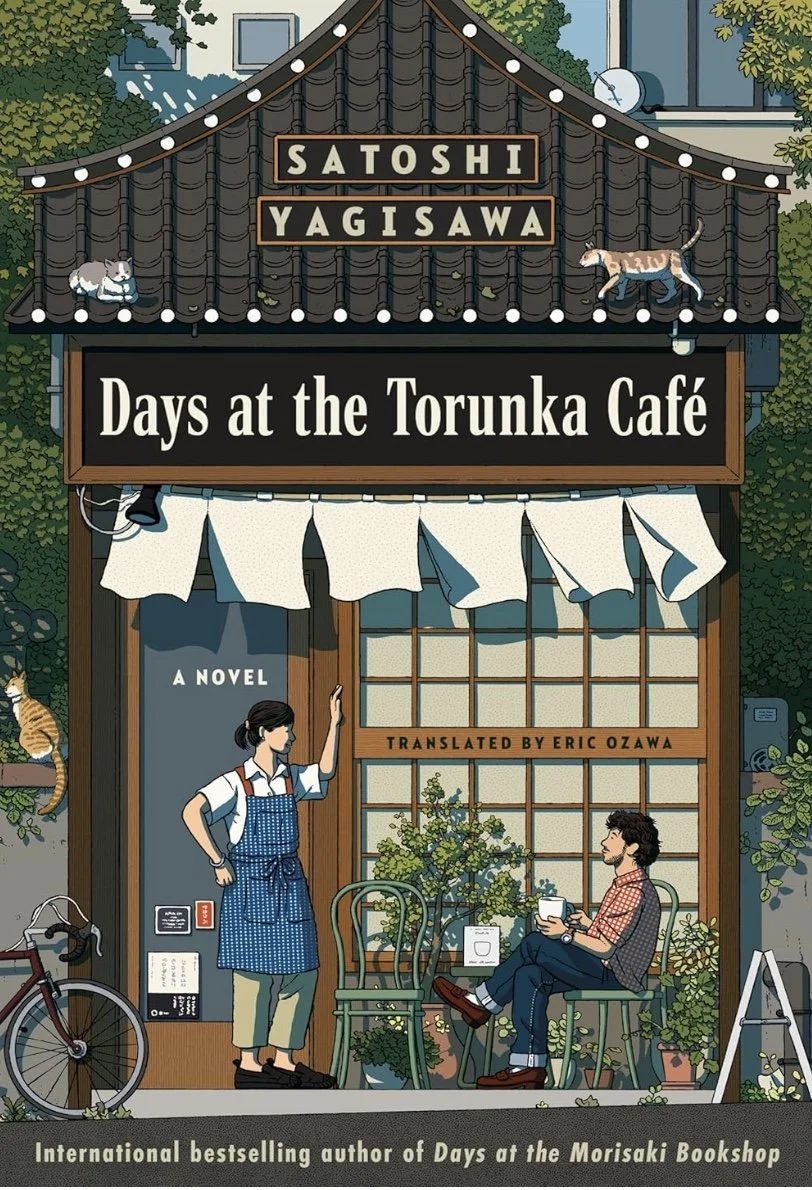
Days at the Torunka Café
A reflective novel of three intersecting lives at a small Tokyo café. Each story holds both sadness and hope, showing how people continue and connect in deeply human ways.
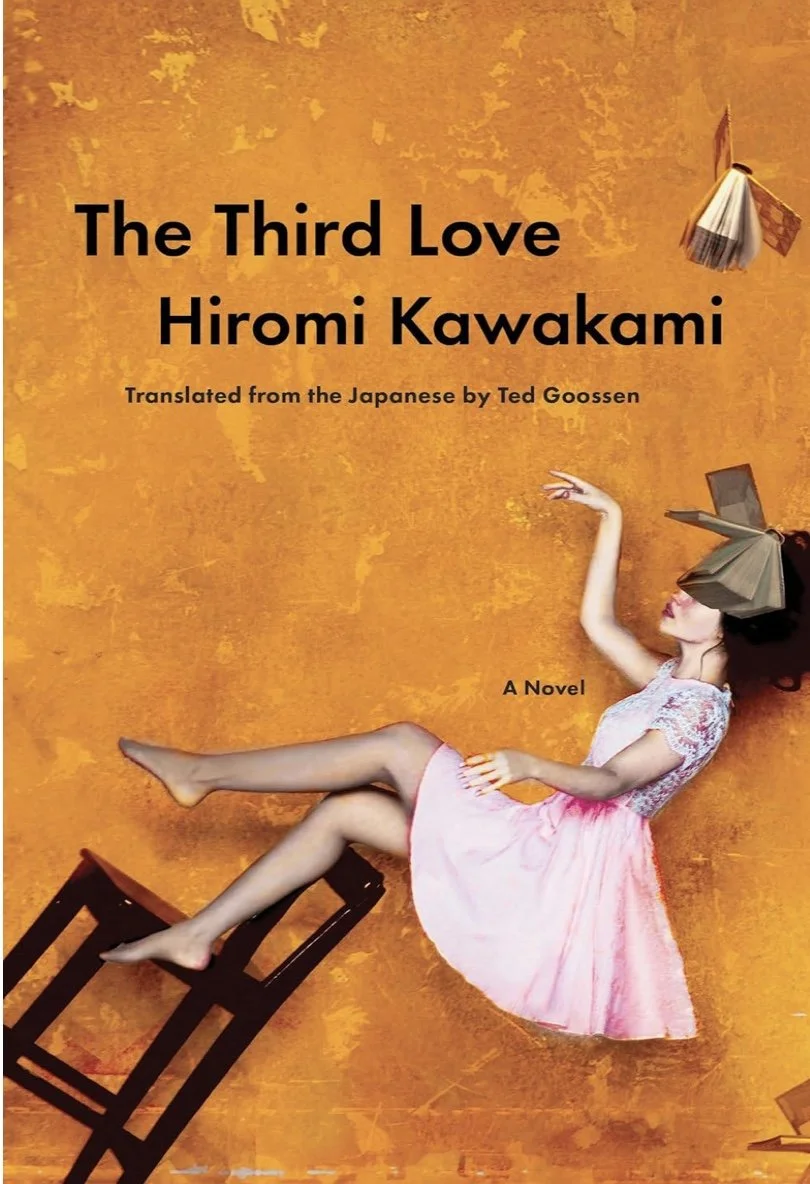
The Third Love
This quiet, layered novel follows Riko as she learns to see love, duty, and self-worth through both her waking life and her dreams. Kawakami’s storytelling is slow and deliberate, revealing itself in subtle ways that linger long after the last page. Reading it while wandering through Tokyo made the line between past and present blur, much like Riko’s own journey toward understanding herself.
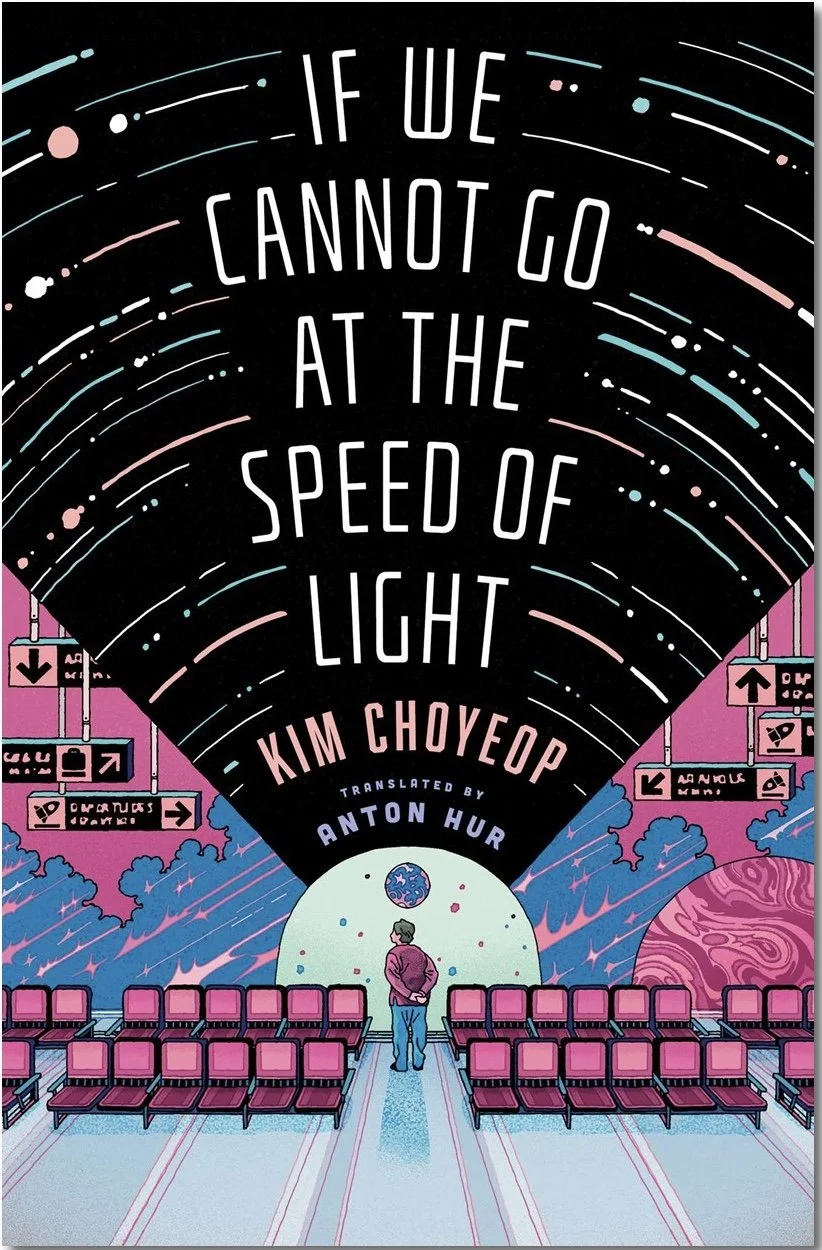
If We Cannot Go at the Speed of Light
Some of these stories went straight to the heart, others leaned more cerebral, but what stayed with me was how the focus always circled back to the human. Even with cyborgs, nanobots, and interstellar travel, Kim Cho-yeop kept asking the same question: what does it mean to live, to connect, to carry memory and loss?
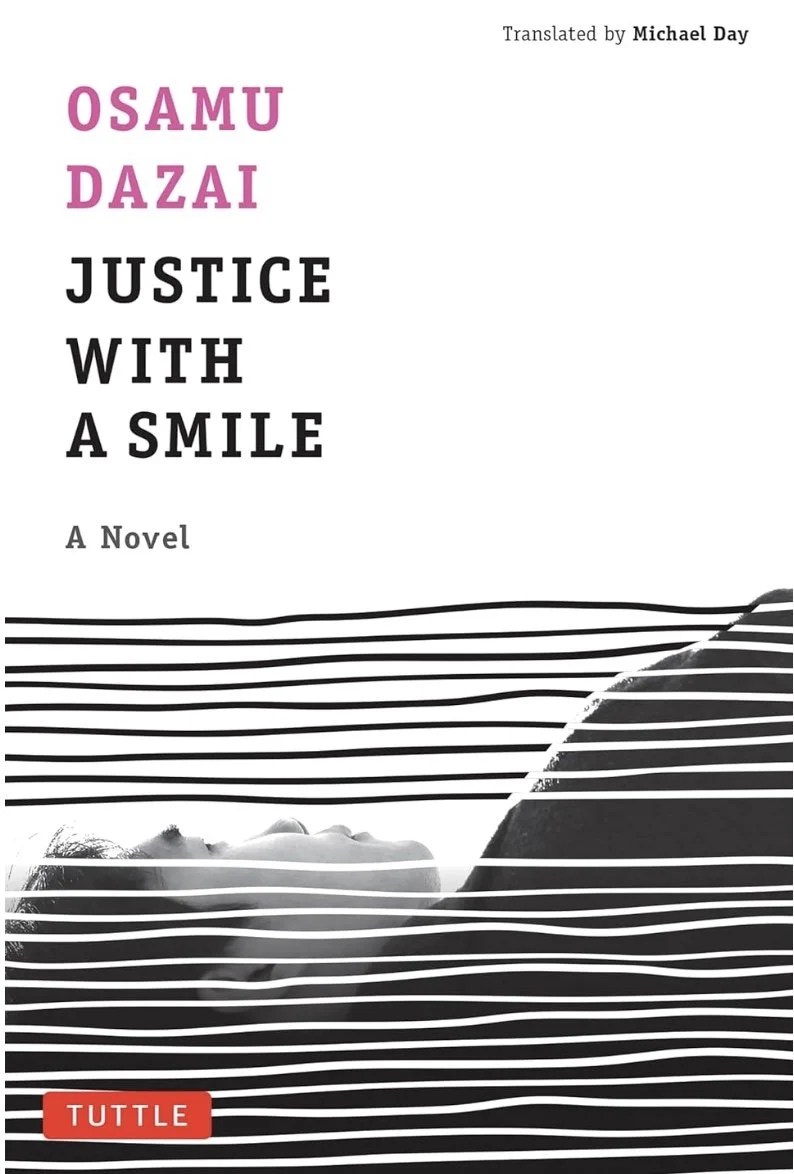
Justice with a Smile
This was not the Dazai I was expecting. The familiar shadows of despair are here, but fleeting, part of the melodrama of youth rather than the heaviness of adulthood. What struck me most was how much this really felt like a teenager’s diary: messy, cocky, sometimes ridiculous, sometimes piercingly honest.
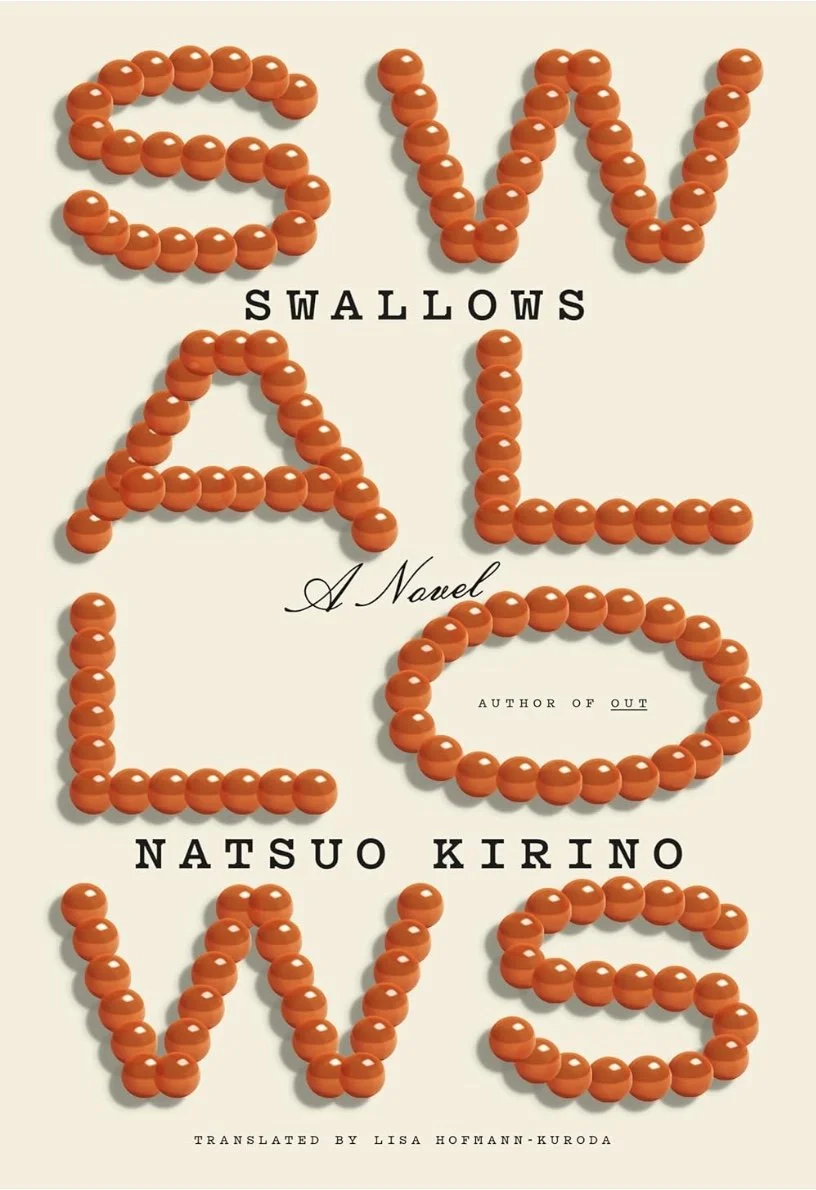
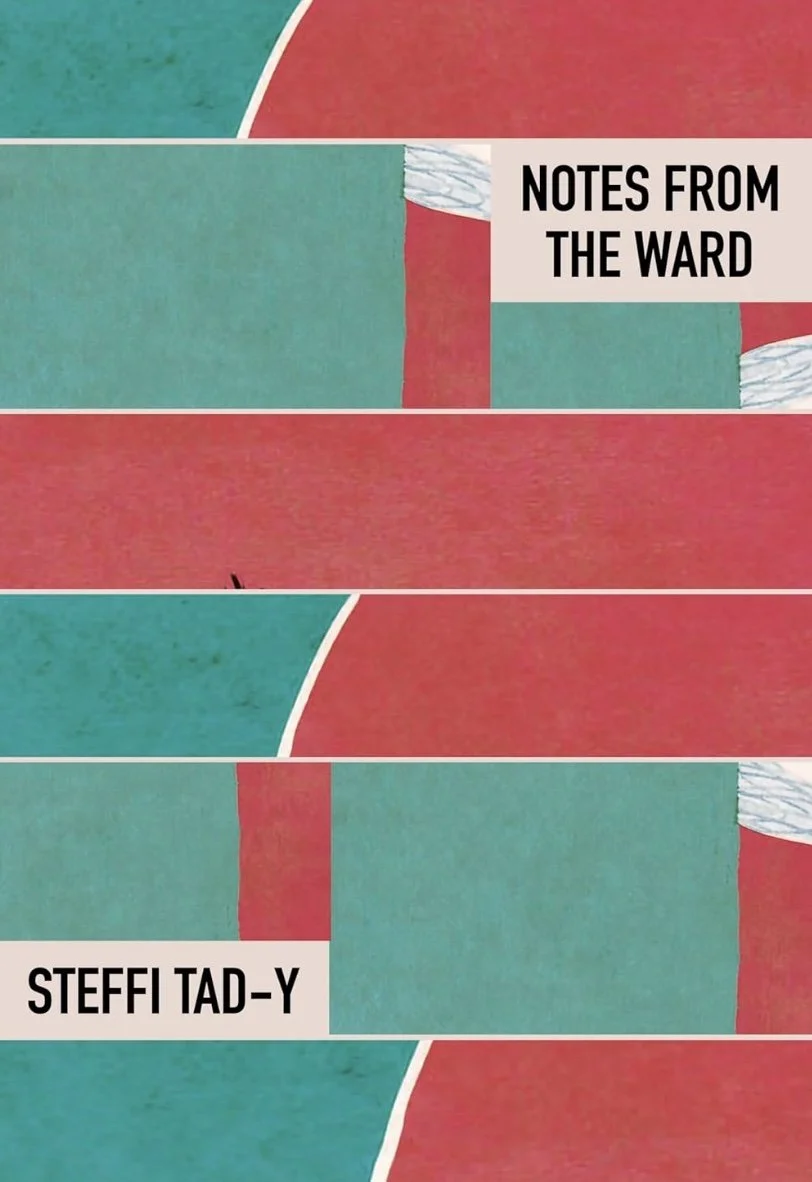
Notes from the Ward by Steffi Tad-y
This isn’t a clean story of recovery. What Steffi Tad-y offers in Notes from the Ward are pieces of a life: ward notes, family memories, and the weight of diaspora. They do not come together into one neat picture, but they hold each other the way survival often does, loosely and urgently, without choice.
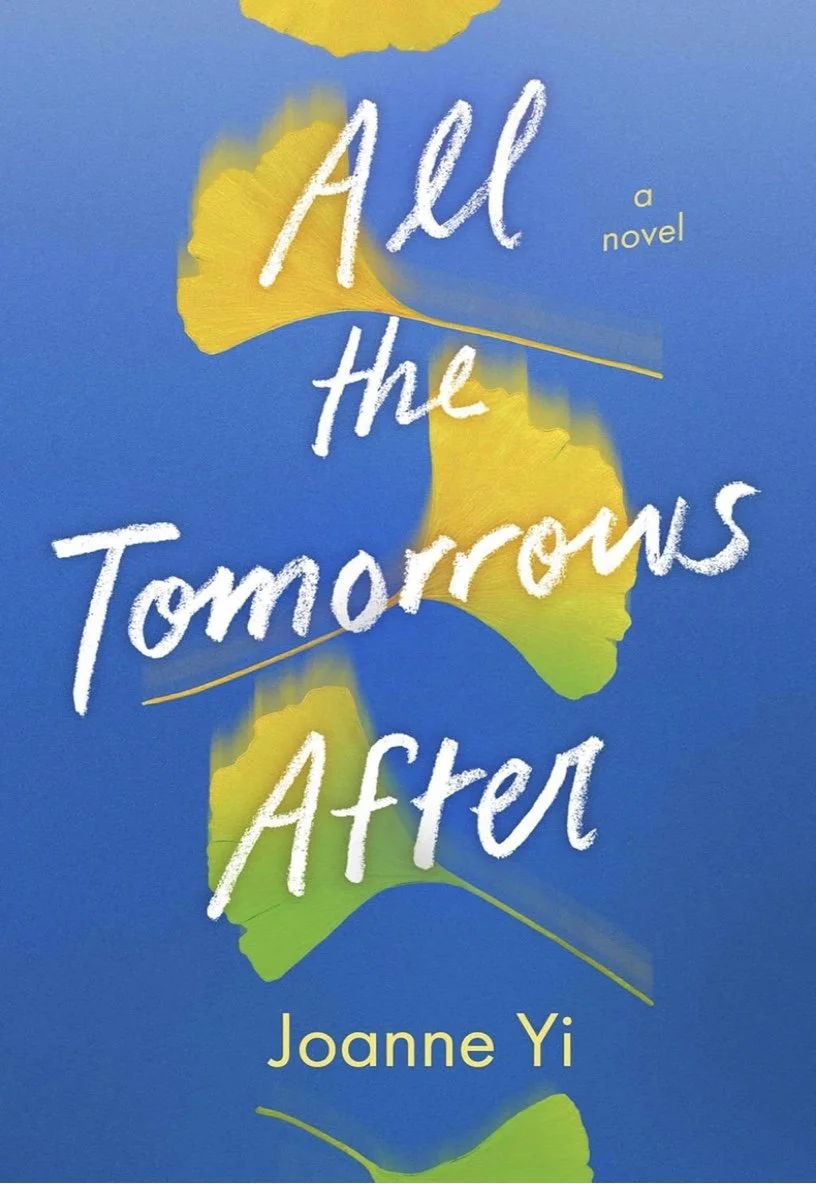
All the Tomorrows After
Winter Moon is raw and real. Joanne Yi’s All the Tomorrows After is a heart-wrenching YA novel about grief, first love, and complicated family ties. Honest, sharp, and deeply emotional.
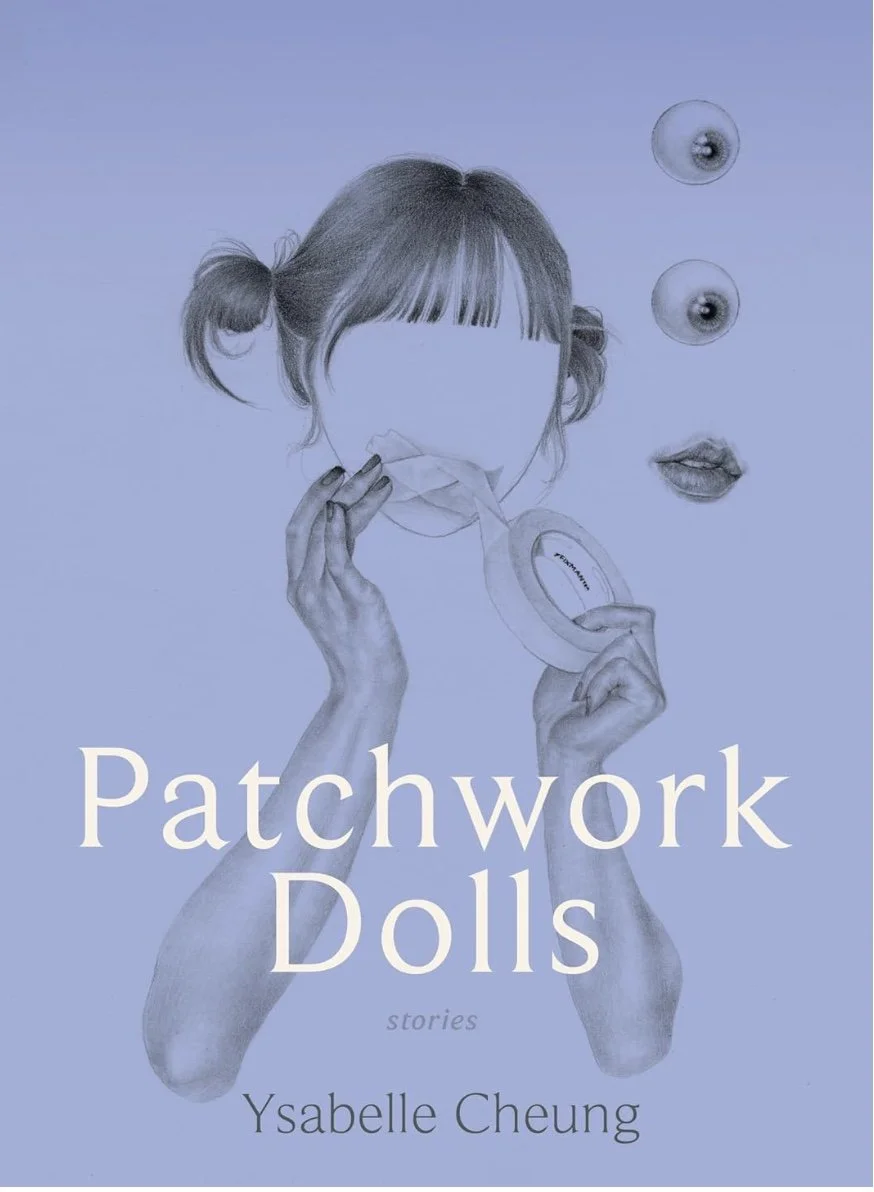
Patchwork Dolls
Some books hit you with emotion. Others hit you with ideas. Patchwork Dolls does both sharp and without ever flinching. These stories are unsettling not because they’re impossible, but because they feel like the next step from where we are now.
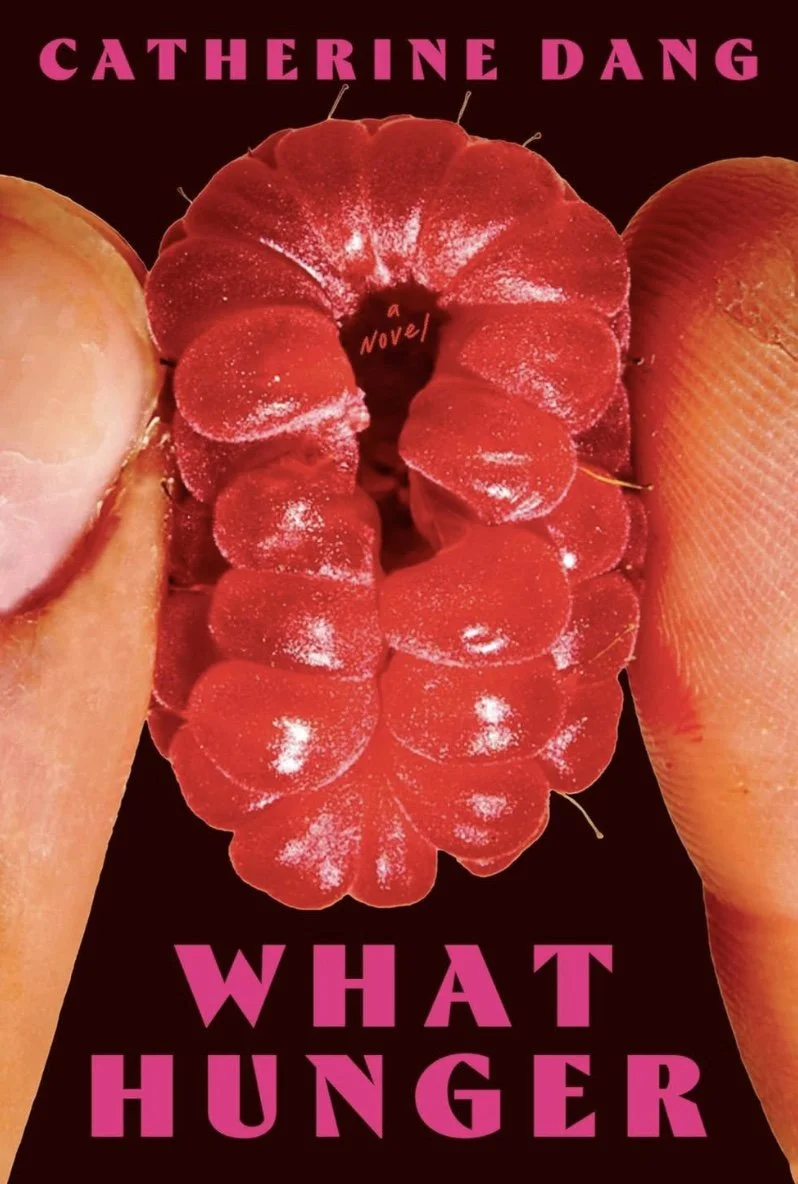
What Hunger
When food can’t satisfy your hunger and rage is more powerful than grief... That’s the space What Hunger lives in. A raw, haunting coming-of-age story about trauma, survival, and the power of finding your voice even if you have to bite first.
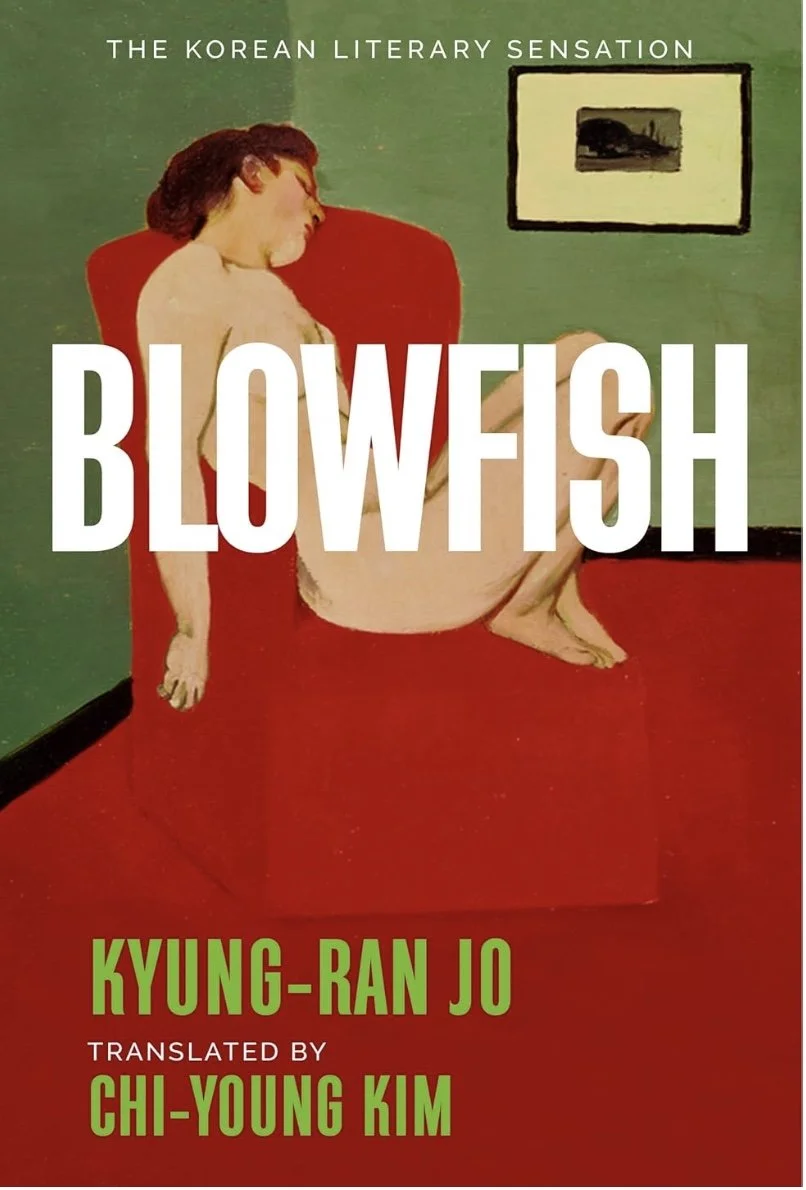
Blowfish
A quiet and deliberate novel that explores grief, suicide, and creative purpose through two intersecting lives, a sculptor and an architect, each reckoning with personal loss and the slow gravity of memory. This is a book that doesn’t offer resolution, but instead asks you to sit in the discomfort. I found it powerful, even when the tone stayed distant.
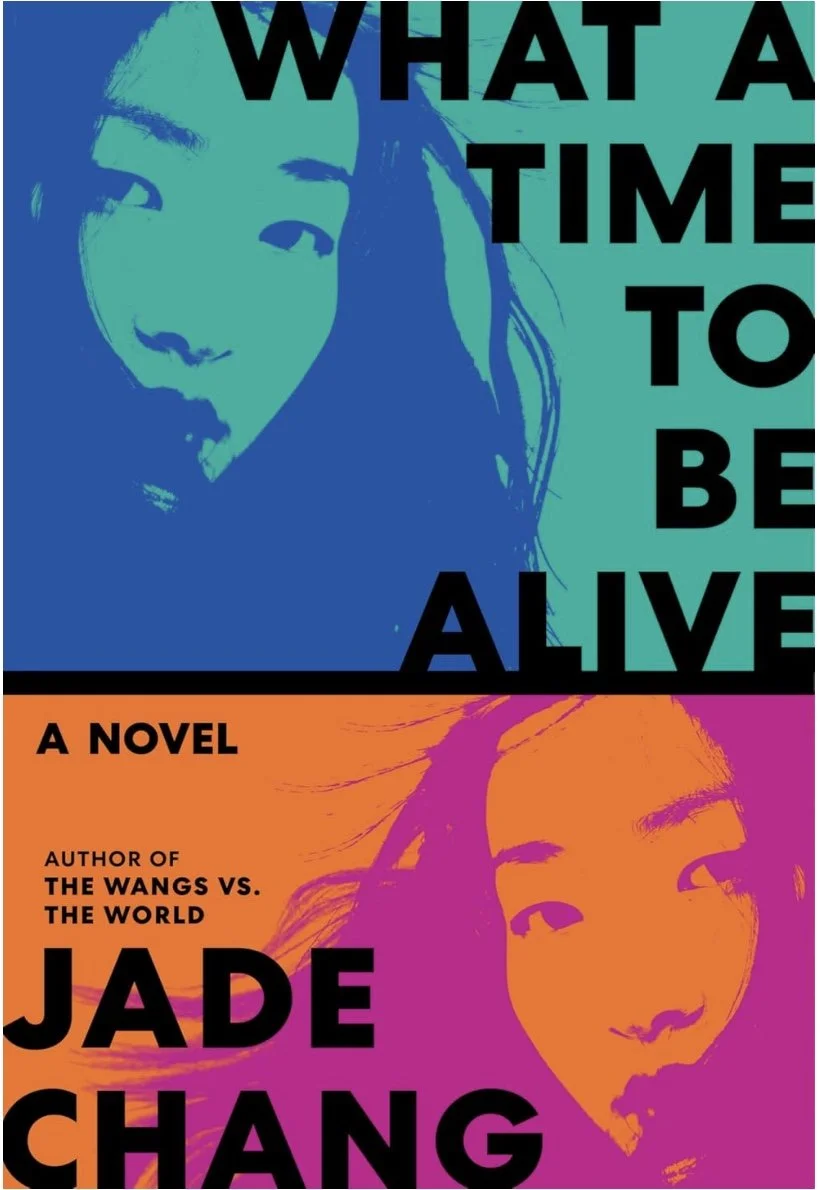
What a Time to Be Alive
What happens when grief, internet fame, and accidental self-help collide? Jade Chang’s new novel follows Lola Treasure Gold — a woman thrust into the spotlight by a viral video and forced to reckon with what it means to be seen, believed, and followed. Part social satire, part character study, this one isn’t always fast, but it stays messy in the right ways.
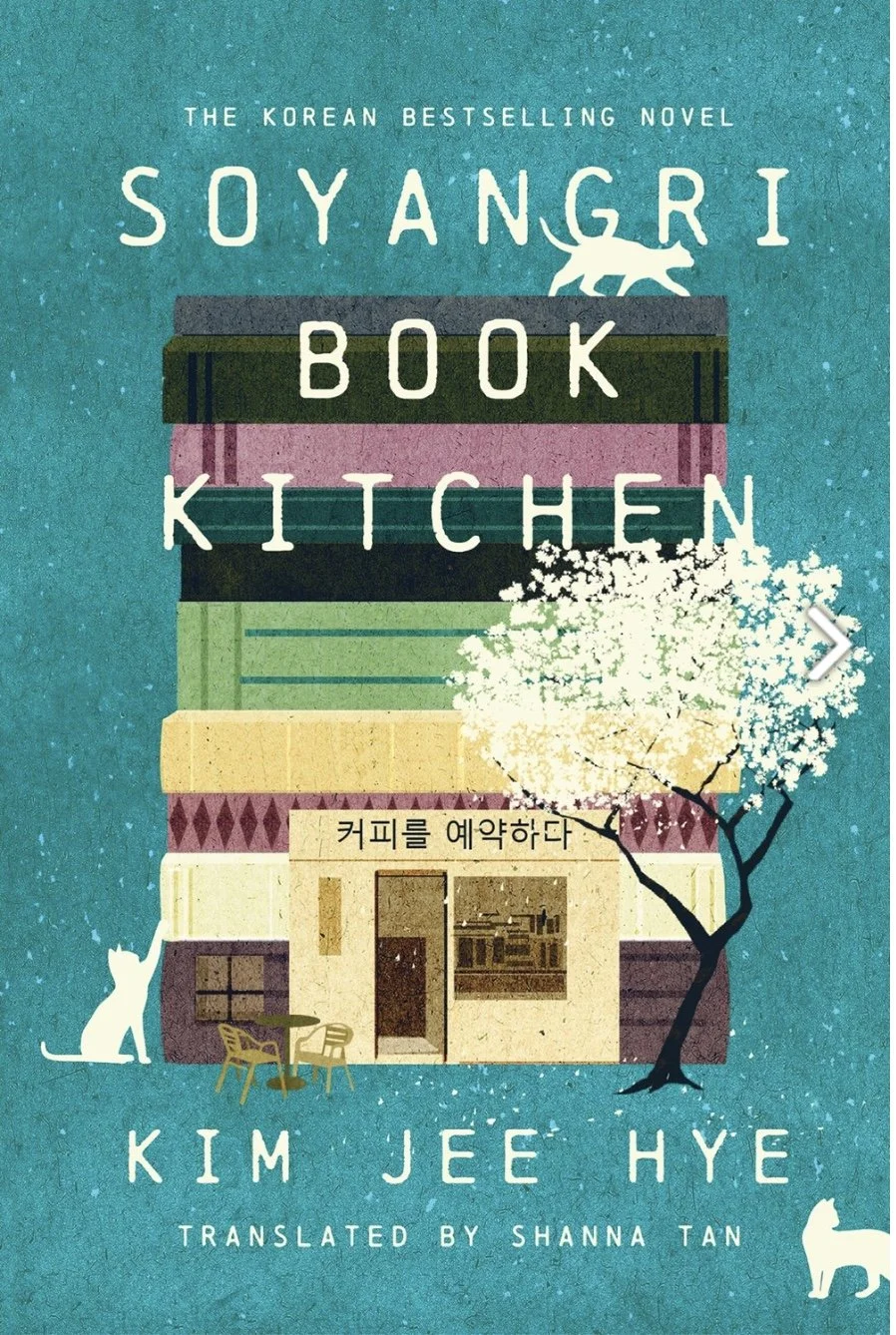
Soyangri Book Kitchen
A bestselling Korean novel about a small village bookstore where strangers come to rest and reset. Told in quiet, comforting chapters, Soyangri Book Kitchen explores burnout, grief, and second chances with warmth, food, books, and peace.
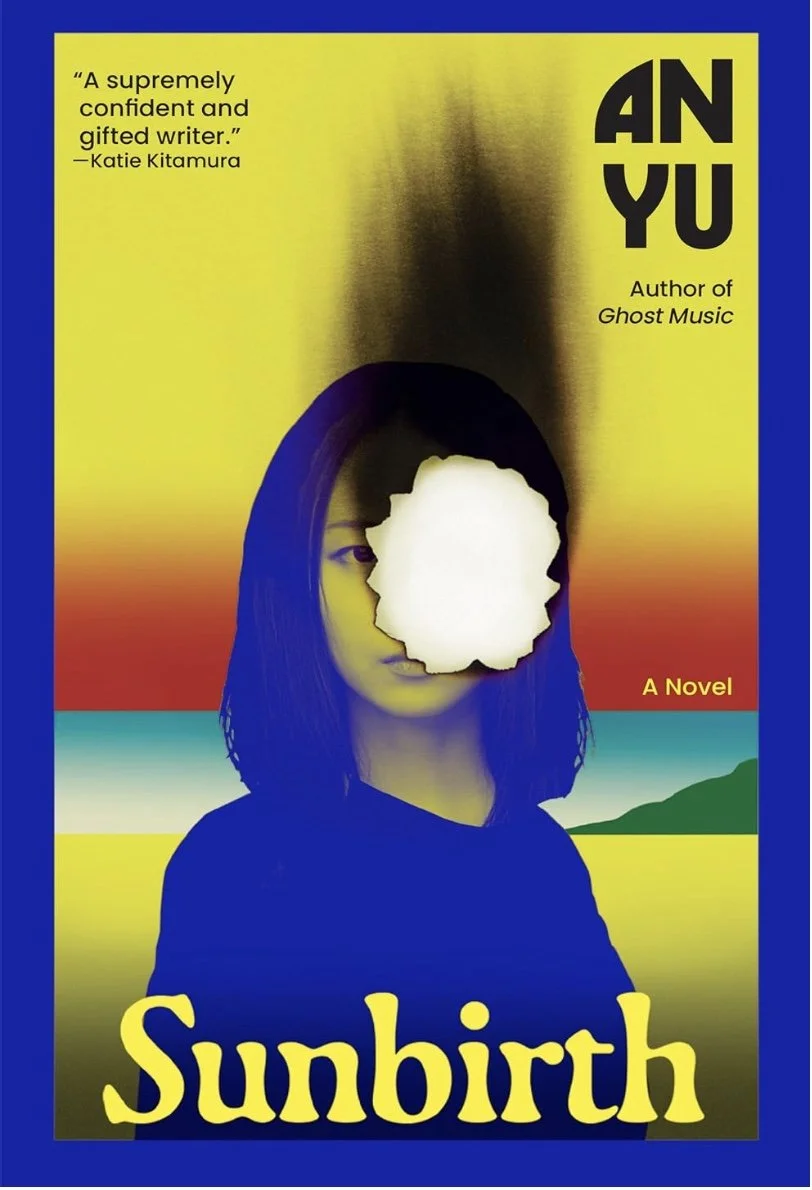
Sunbirth
A quiet, dreamlike novel set in a village where the sun is vanishing from the sky. Sunbirth follows two sisters as they face grief, uncertainty, and the slow unraveling of the world around them. Emotionally grounded and subtly surreal, this is speculative fiction that lingers in feeling more than explanation.
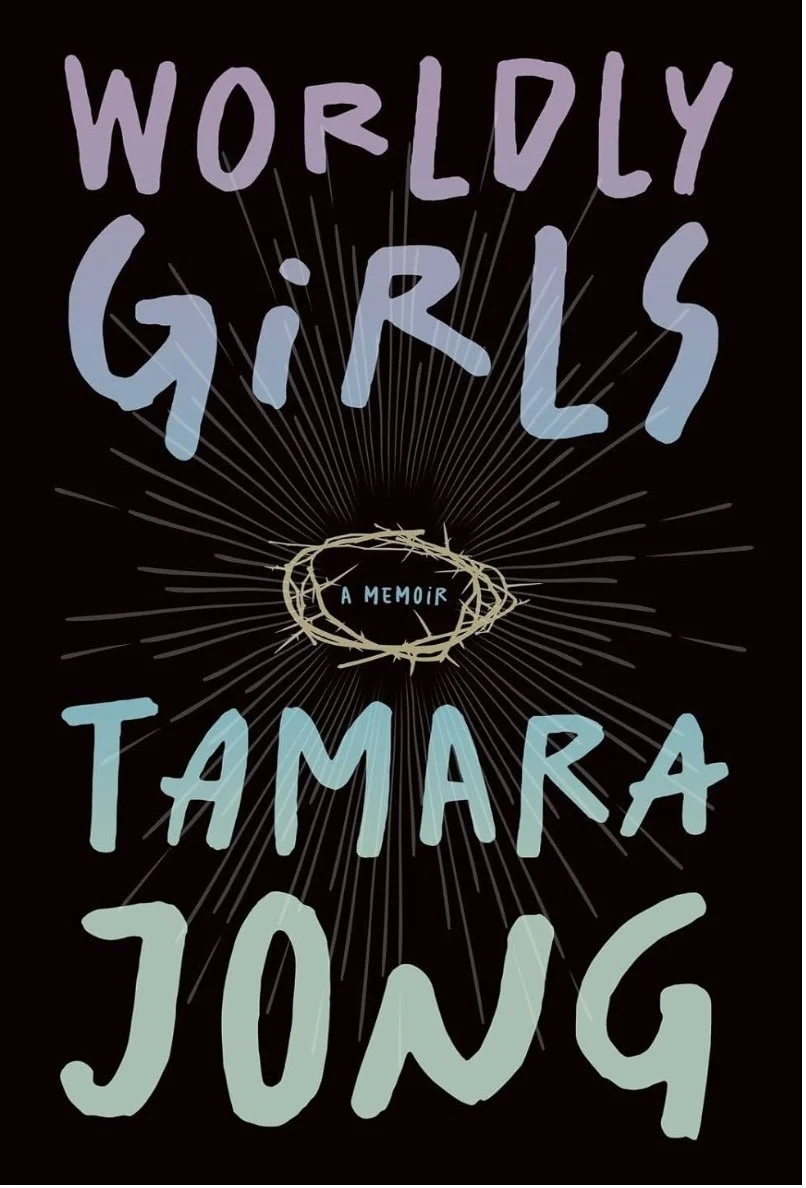
Worldly Girls
A memoir about faith, loss, and figuring out who you are after everything else has fallen away. Tamara Jong writes with honesty and clarity about being raised inside the Jehovah’s Witness faith, navigating addiction and grief, and what it means to walk away from the structures that shaped you. A layered, deeply personal book with sharp observations and surprising moments of humor and release.
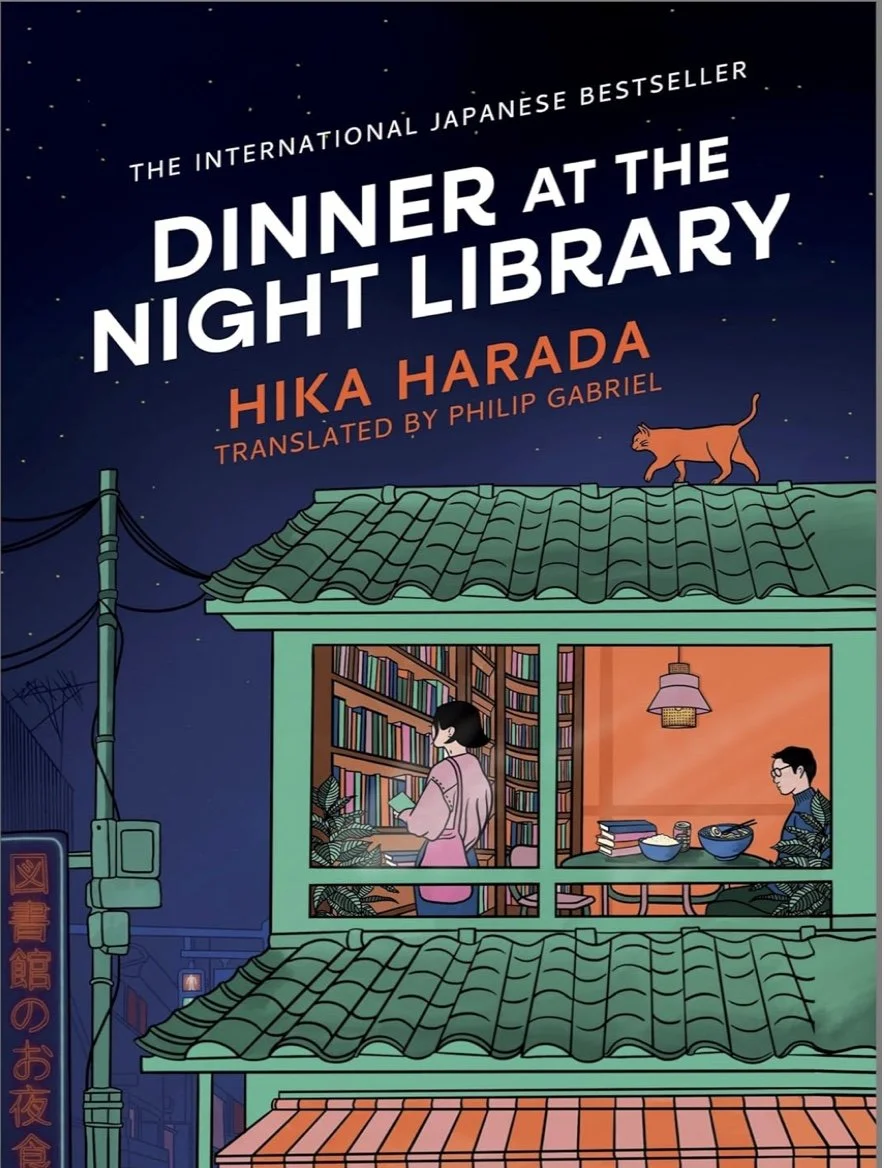
Dinner at the Night Library
A quiet, slightly offbeat novel about burnout, books, and the strange comfort of working the night shift in a library that only houses the works of the dead. If you liked Morisaki Bookshop or Nakano Thrift Shop, this one belongs on your radar.