
Malloreddus alla Campidanese: A Simple Sardinian Pasta We Still Make at Home
Ciao again from Sardinia, or at least from my kitchen thinking about it.
If you followed the risotto recipes I shared from the island, you already know Sardinia isn't just somewhere I visit. It's family and memory and home. And while risotto is really northern Italy showing up on a Sardinian table, malloreddus are the island itself.
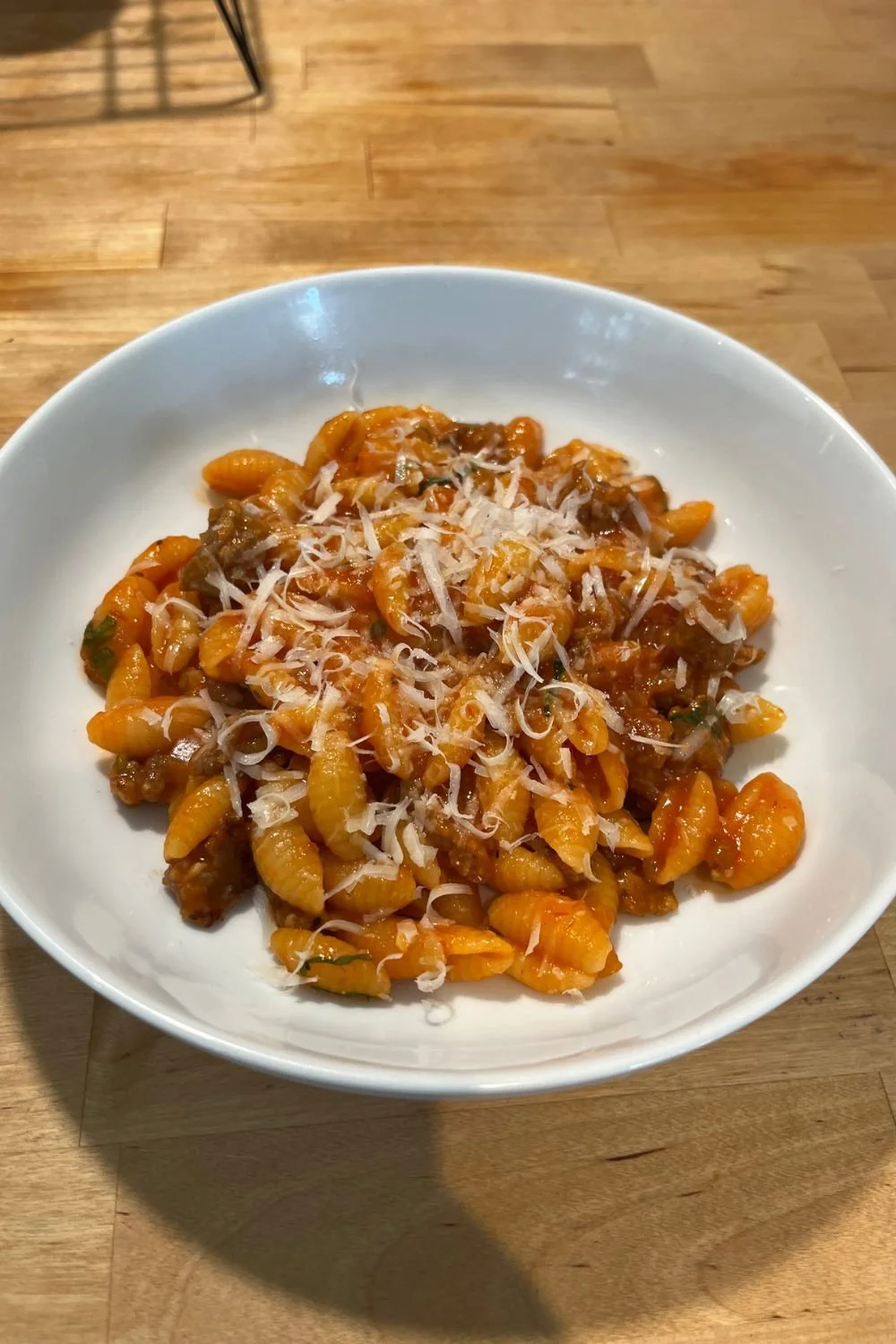
Malloreddus are small ridged semolina pasta, often sold outside Sardinia as gnocchetti sardi. Despite the name, there's no potato in them at all. The ridges and curved shape are built to catch sauce, which is exactly why they're the backbone of one of Sardinia's best-known dishes, malloreddus alla Campidanese.
The traditional sauce is fresh pork sausage, tomato, saffron and Pecorino Sardo. It's hearty without being complicated, and it's still one of the dishes that makes dinner feel like Sardinia even when I'm nowhere near it.
This post may contain affiliate links. If you make a purchase through these links, I may earn a commission at no additional cost to you.
Ingredients
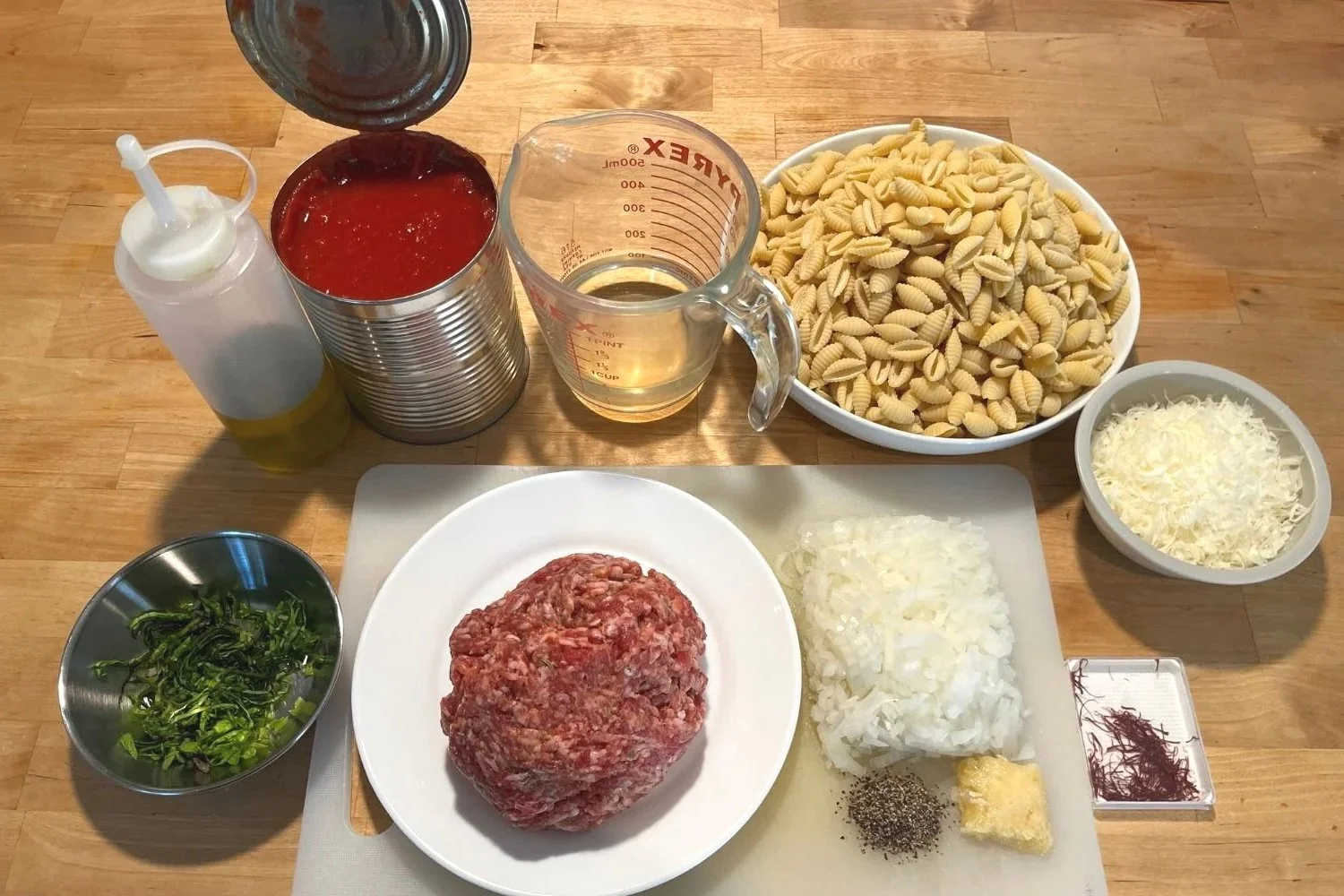
400 grams malloreddus or gnocchetti sardi
250 grams fresh pork sausage, casings removed, preferably seasoned with fennel
1 small onion, finely chopped
1 small garlic clove, minced, optional
3 tablespoons extra virgin olive oil
1/2 cup dry white wine, optional
700 grams crushed tomatoes
1 generous pinch saffron threads
2 tablespoons warm water
1/2 cup finely grated Pecorino, plus more for serving
Freshly ground black pepper
Salt, as needed
Fresh basil for serving, optional
Yield: 5 servings
Instructions
Steep the saffron. Place the saffron threads in 2 tablespoons of warm water and let them steep while you start the sauce.
Brown the sausage. Heat the olive oil in a large, heavy-bottomed pan over medium heat. Add the sausage and cook for 5 to 6 minutes, breaking it into small pieces as it browns.
Cook the onion. Add the chopped onion and cook for about 5 minutes, until soft and translucent. Add the garlic, if using, and cook another 30 seconds, just until fragrant.
Deglaze the pan. Pour in the white wine and let it reduce by about half, scraping up any browned bits from the bottom of the pan.
Add the tomatoes. Pour in the crushed tomatoes and season with black pepper. Add just a small pinch of salt here, the sausage and Pecorino Sardo will both bring salt later. Bring the sauce to a gentle simmer, lower the heat, and cook for 20 to 25 minutes, stirring occasionally.
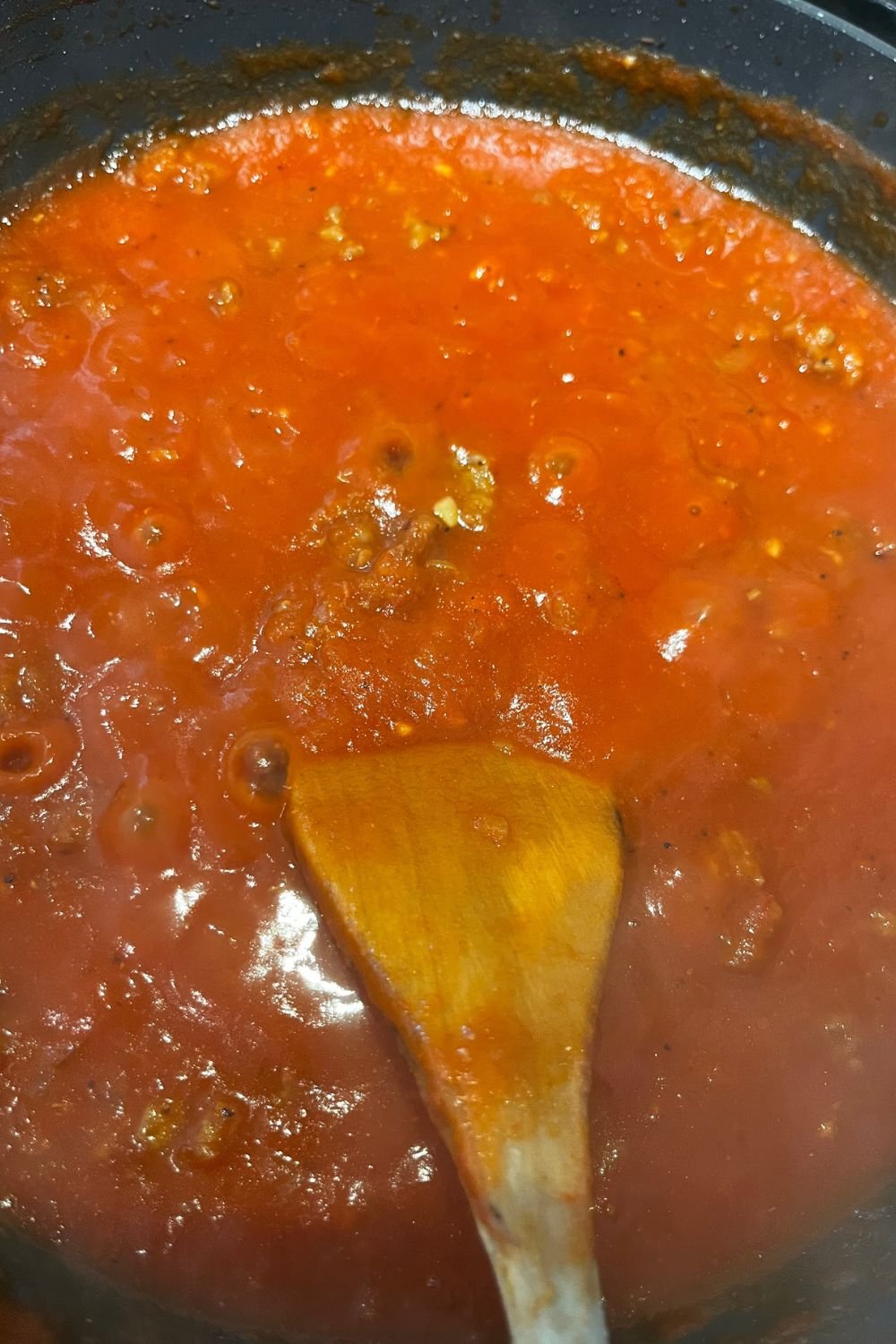
Add the saffron. Stir the saffron and its soaking water into the sauce during the final 5 to 10 minutes. It won't turn the sauce gold, but it adds a subtle floral, earthy warmth that sets this apart from an ordinary sausage and tomato pasta.
Cook the malloreddus. Bring a large pot of well-salted water to a boil. Cook the malloreddus according to the package instructions until just al dente. Before draining, reserve at least 1 cup of the pasta water.
Finish the pasta in the sauce. Add the drained malloreddus directly to the sauce. Add a small splash of reserved pasta water and toss over low heat for 1 to 2 minutes, letting the sauce settle into the ridges. Add more pasta water if the sauce feels too thick.
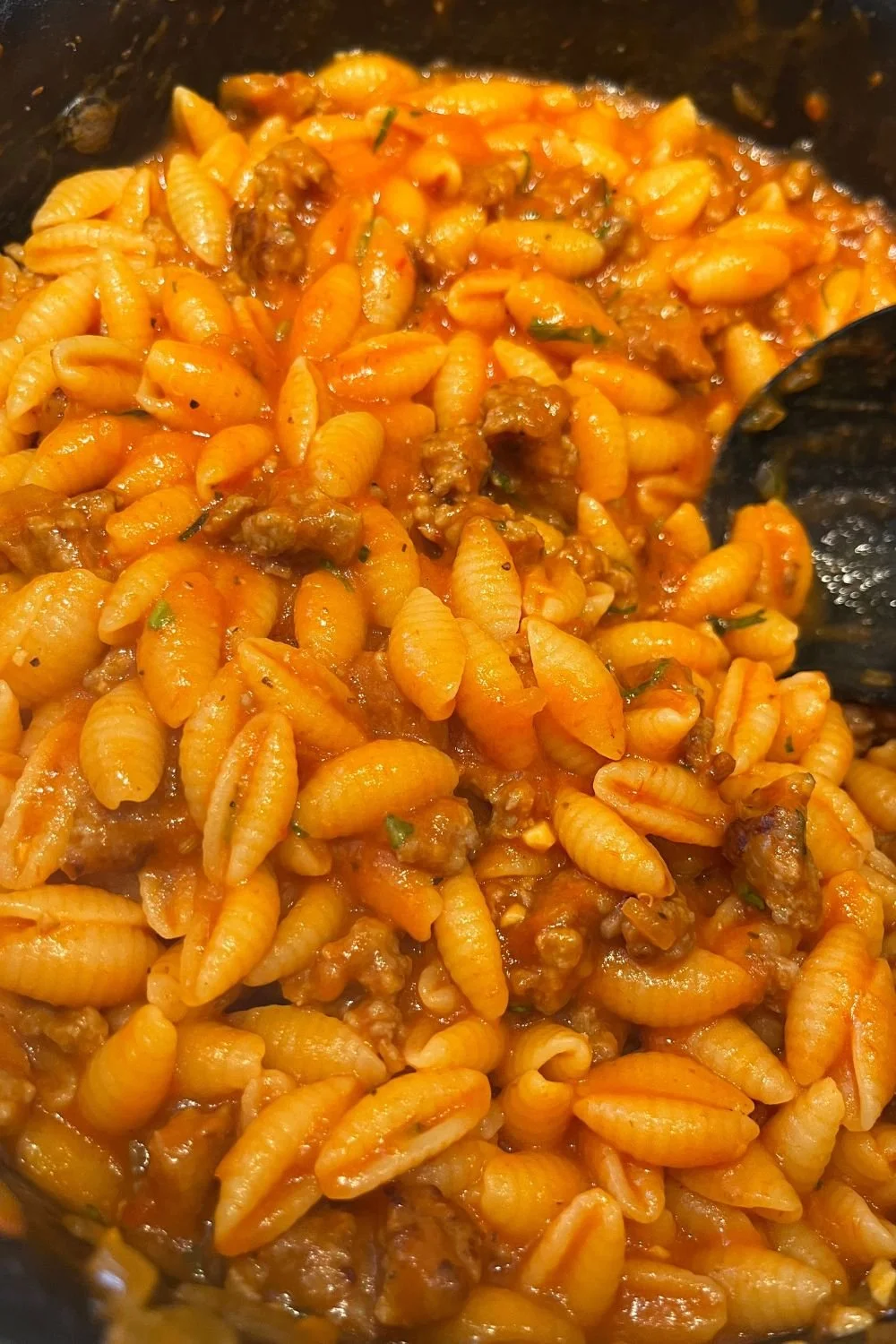
Add the pecorino. Remove the pan from the heat and stir in the grated Pecorino Sardo. Taste and adjust the salt and black pepper.
Serve immediately with extra pecorino and fresh basil, if you're using it.
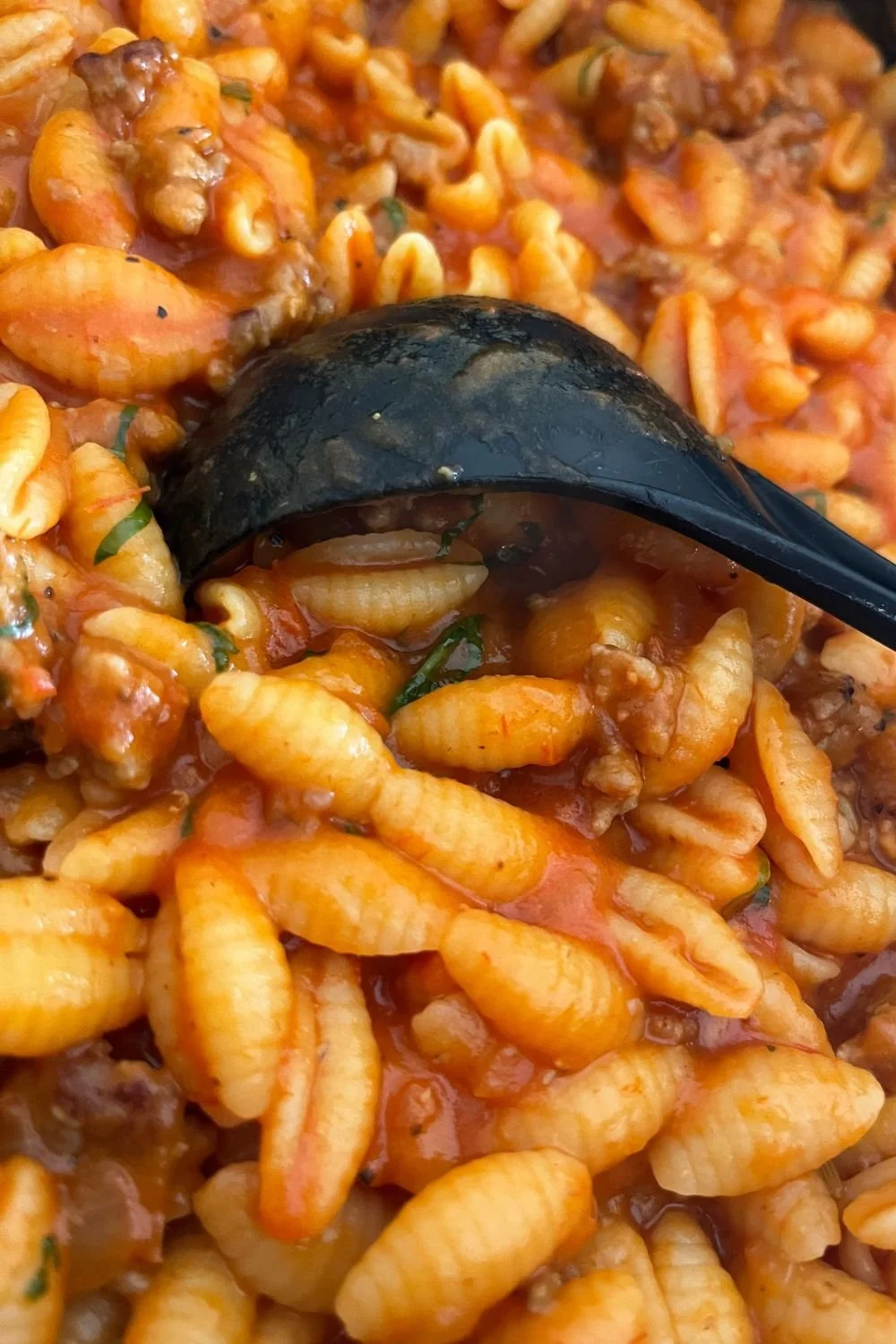
Why the shape matters
The ridges aren't just for looks, they're what grabs onto the sausage, tomato and cheese and holds it there. A smooth pasta just can't do that. Cavatelli or another small ridged shape works in a pinch, but real malloreddus are worth tracking down. That firm bite and curved shape aren't decoration, they're the whole point of the dish.
Buon appetito. Save this one for a night when you want dinner to feel like somewhere else for a little while.
